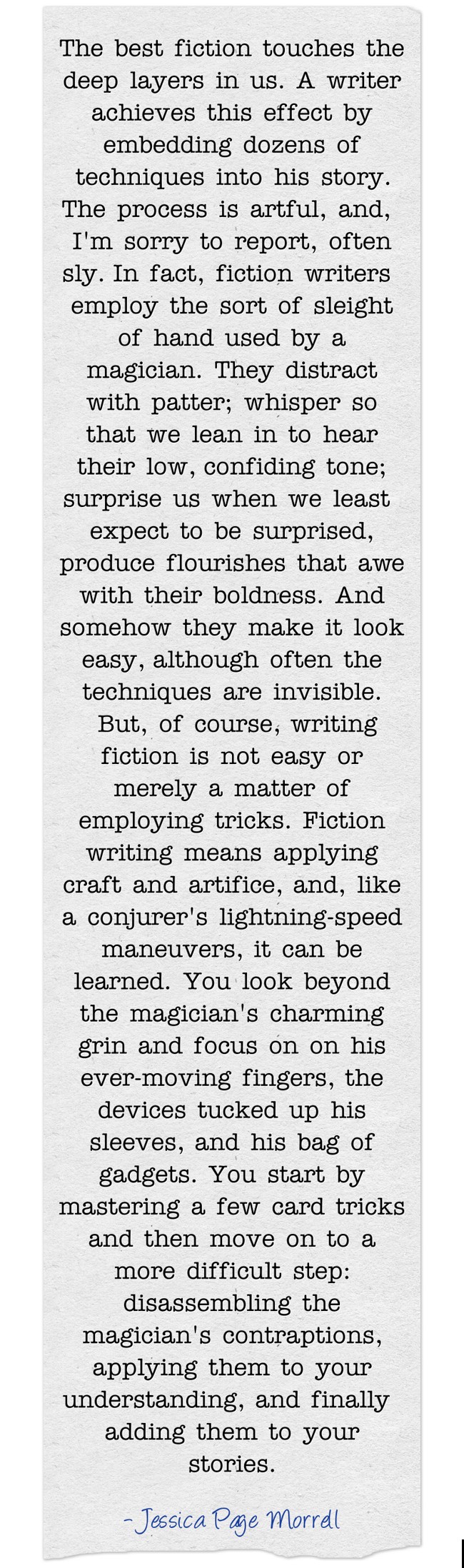
I think fiction comes from everything you’ve done, and said, and dreamed, and imagined. It comes from everything you’ve read and haven’t read… I think my work comes out of the culture of the world around me. I think that’s where my language comes from.~ Don Delillo
where does fiction come from?
Congratulations to Pulitzer winners
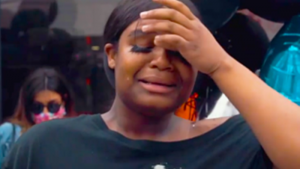
Where would we be without dogged journalists and writers who uncover difficult truths, facts, and problems that need solving? Who help protect our fragile democracy. Who work towards accountability and justice. My profound congratulations to all the Pulitzer Prize winners, including Darnella Frazier for her Special Citation for courageously filming George Floyd’s murder. Her courage and level-headedness still astounds me. Her testimony at Floyd’s murder trial was elucidating and heartbreaking.
Here’s a link that lists the winners
And here’s a link to an article about what journalism students can learn from this year’s winners. Please support journalism in its many forms.
But you don’t need to be a journalist to make a better world. There are so many ways writers can reveal the truths of our times, truths of the
human footprint on this planet. Songs that mend our hearts, stir our emotions, songs that we listen to over and over because their meaning cannot be denied. Because reading, writing, listening, especially songs and poetry, feels like soul to soul communication.
Poetry teaches us the power of language and provides solace. Phyllis Knight said it best: “Turning to poetry gives rhythm to silence, light to darkness. In poetry we find the magic of metaphor, compactness of expression, use of the five senses, and simplicity or complexity in a few lines.”
Reading feeds us. Essays enlarge our understanding, introduce us to other worldviews, help us examine our culture and society. Force us to examine our own opinions and beliefs.
Fiction transports but also teaches us empathy and stretches our imagination. Stories decode, shed light on human nature and all our many trials. Teach us how to avoid other people’s mistakes. Help create a life worth living.
All writing forces us to think deeper, understand ourselves more, take stock of our ideas and skills.
Keep writing, keep making a better world, keep dreaming, have heart

Need practical techniques for editing your own work? Still time to register for Secrets of the Dark Arts April 10
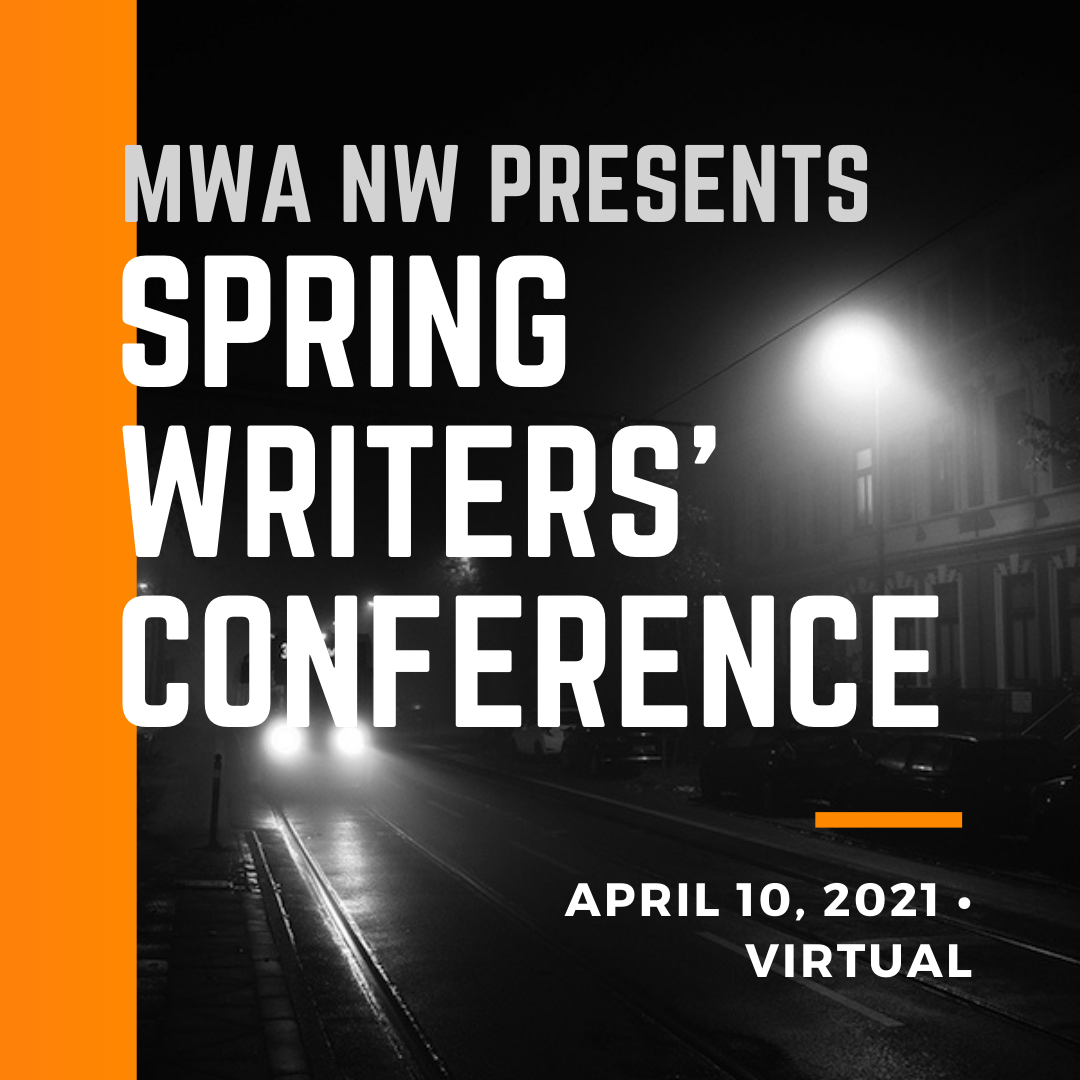
In case you missed my workshop, Secrets of the Dark Arts last fall, I’m teaching it this Saturday, April 10 at 1 p.m. Pacific Time. It’s part of the Mystery Writers of America Conference, Northwest Chapter.
Here’s the link for more information on registering.
Secrets of the Dark Arts: Revising, Rethinking, Rewriting
Revision is a learned skill and like many others requires a strategy.
This workshop is designed for fiction writers and memoirists to help you refine your first draft in thoughtful, organized steps. Step 1 begins with the macro picture that focuses on structure and determines if the central dramatic question carries through all the three acts. It’s where you first address pacing and plug any plot holes. You’ll make certain you’ve included all the necessary scenes and start weeding out the chaff. You’ll question if you need all the characters and subplots. The first pass also focuses on balance and determines if there is too much or not enough exposition.
Step 2 focuses on making it more immersive while tracking your key characters, homing in on motivation and goals. Step 3 examines individual subplots, scenes, and dialogue. Are the subplots needed and can they be tightened? Do the scenes contain tension and forward momentum and have you included cliffhangers?
Step 4 (finally!) means you’ve reached the copyediting stage where you refine until you cannot stand it anymore are satisfied. You might still be tightening, fixing typos and punctuation, while placing “perfect words in perfect places”, amping up verbs and adding music to your prose through alliteration and figurative language. This workshop includes a cornucopia of cheat sheets and handouts as you learn tricks of the trade from a developmental editor with more than 25 years of experience.
The deepest satisfaction of fiction comes from the encounter between the reader’s imagination and the writer’s creation. It is a fluid, delicate and personal relationship that occurs in an evanescent space. ~ Janna Malamud Smith
Fictional characters under duress, or better yet, miserable
Top-ranking fictional characters need to be uncomfortable most of the time. Better yet, miserable.
Now, of course, your story can’t be a waterfall of tears and teeth-gnashing angst in every scene. That could lead to melodrama. But varying levels of misery should be trickling through causing tension, conflict, and uncertainty. And characters can be rattled, twitchy, discombobulated, awkward, uneasy, troubled and disturbed.
Misery can be writ large–he loves me; he loves me not. It can happen in high-stakes battles or life and death circumstances, royal rivalries, ugly divorces, or the murder of a loved one. Your character can be lonely, unloved, and unappreciated. And whenever possible, in over his or her head.
Years ago I studied psychology and sociology in college because I was planning to go into law and I wanted to understand why people turned out the way they did. It took a few years to realize that I needed to return to my first love, stories, poetry, and all things writing. But in one sociology class an instructor mentioned it’s likely that at least one out of three people won’t like you. This insight, true or not, stuck with me.
Growing up and feeling pretty insecure much of the time, I wanted people to like me and was easily hurt when they didn’t. With age that’s diminished, but of course, it’s not fun if someone dislikes you for no good reason, or a perceived hurt that didn’t happen, or for the many reasons humans just don’t get along. In fiction, this is magnified to create conflict, pain, and troubles.
Classic plot devices can be the perfect setup for this. An example is a character moving into a new place–the new kid in school {Harry Potter and the Sorcerer’s Stone}, or the newly hired personal assistant {The Devil Wears Prada}, boss, police chief {Robert Parker’s Jesse Stone series} or sheriff.
Same for the ‘fish out of water’ scenario–the device the Back to the Future franchise exploited as Marty McFly moves around in time. So-called ‘fishes’ don’t know the rules or standards or the pecking order in the new environment.
Your story might center around a Florida native taking a district attorney job in Alaska or a small town girl moving to Paris. Your character will always have a lot to prove and master, so naturally he or she can get off on the wrong foot and things can go downhill from there.
Which is where antagonists and secondary characters come into the picture to stir up trouble. It’s pretty simple: fictional characters shouldn’t get along. In fact they should clash. Often. The mayor doesn’t trust the new sheriff, the cop who’s been with the force for ten years and wanted the chief of police job is sabotaging the new guy, and the 911 dispatcher just doesn’t care for him because he’s a dead ringer for a best-forgotten ex. Now, of course, protagonists need friends and allies, but if he or she doesn’t have frenemies and backstabbers, lying witnesses, out-for-revenge enemies, and other antagonists you’re overlooking a major source of conflict. The story will flatten and fizzle without these folks.
At the same time don’t overlook piling on smaller, everyday, annoying, makes-life-harder miseries. And never overlook the potency of physical hardships to boost tension: Sleepless nights or a shocking homicide case so there’s no time to sleep. Headaches, hangovers, thirst, hunger, sweltering heat waves, freezing temperatures, aching backs, old injuries acting up. Stir in claustrophobia, fear of heights, and never been comfortable in the dark. Pile it on.
One trick to increase tension is to keep track of the number of your scenes, then track how many feature your protagonist in some kind of discomfort. Aim for high percentages. Make your protagonist worry and fear the worst.
A few more ideas for your stories: Create situational troubles. Coming-of-age stories generally focus on the main character’s emotional growth, typically moving into adulthood. However, growth is never easy and
the character is often forced into challenges beyond his or her maturity levels. And the lessons learned will always be hard, harsh, or scary. The Finch siblings in To Kill a Mockingbird are a good example of this.
Adult characters can be coping with bitchy, hormonal teenagers going through a bad phase, demanding, uncaring bosses, impossible deadlines, a bad news relative showing up on your protagonist’s doorstep looking for a place to crash. With a grimy, pathetic-looking toddler and an aggressive dog.
Stir in emotional hardships. These typically come from your character’s connective tissue to his or her past. If your main characters don’t have baggage they’re flat. Typically your character’s fears or weaknesses will stem from trauma, failure, or a troubled or difficult past. And whatever the baggage, it’s relatable.
Always know the forces that shaped your main characters. And then give them inner demons to overcome, such as intense abandonment fears, or a lie they’ve been telling themselves. While many stories are fueled chiefly by external conflict, when internal conflicts are staged alongside external conflict mucking up things, the whole story gets more realistic and deeper.
Create insecurity–immigrants struggling to survive in their new country, business owners striving against impossible
odds, a farm family trying to endure during years of drought, an unstable and volatile home life, grinding poverty that seems inescapable. Often these stories will showcase the protagonist’s main personality traits and growth.
A few last tips. Small miseries amplify larger ones. Protagonists cannot always be in top form, primed for the next challenge. Sap their strength, will, confidence, and resources thus creating more uncertainty. Shape obstacles that wear down and weaken characters.
Keep writing, keep dreaming, have heart
And please keep wearing masks