“Sometimes I get the impression that I write out of simple intense curiosity. It is that, in writing, I surrender to the most unexpected surprises. It is at the time of writing that many times I become aware of things, which, being unconscious, which before I didn’t know I knew.” ~Clarice Lispector
Remembering Mary Oliver

It’s Monday, a day off for many people as we honor the life of Dr. Martin Luther King, Junior and it’s dawned gray and wet. Storms walloped through our region lately with high winds and battering downpours. We’re now in for a week of quieter weather and I’m thinking ahead to new plants and flowers to sow. Wondering what’s going to emerge from the ground as the days lengthen and warm.
In February of 2008, on an evening thick with gloom and rain, I drove downtown to meet another writer. She’d contacted me with a generous offer: dinner and an evening listening to Mary Oliver at Portland’s Arts and Lectures series.
I ordered risotto for dinner, we talked about our lives and writing, and later found our seats in the old theater that hosts the series. When white-haired Mary Oliver stepped out on stage after an extensive introduction and thunderous applause, I was struck by her smallness. From my seat in the upper balcony she also appeared frail, but then she began reading her poems and that notion vanished. Some were her best known like “Wild Geese” and some from a new collection and in the hushed auditorium we were swept up into images and moods and emotions.
Then came the portion of the evening where she answered questions that had been posed by audience members. I remember several things that really struck me: how she possessed a wry, sturdy, self-deprecating wit; her open grief at her partner Molly Malone Cook’s death in 2005; and her frank admission of the terrible loneliness that followed. I knew that Cook’s death followed years of deterioration from Alzheimer’s. Through her answers and comments she talked about her dog, her walks in the woods, the practice of paying close attention to everything around us, and how writing and art can heal.
You know how sometimes when you’re in the presence of great art how it’s deeply quieting? How something weighty shifts in your chest and your breathing comes easier? That’s what happened that night. I walked out into the night, feeling both stilled and uplifted and somehow full of grace.
I mulled over how poetry is such a solace and refuge. I’d also felt these effects listening to W. S. Merwin when he visited Portland. Since then neural research has shown that poetry and music have a similar effect on the brain. Yet another reason to read and listen to poetry.
In February of 2013 I visited San Francisco and had a chance to see Vermeer’s Girl With a Pearl Earring. The painting surprised me because it was much smaller than I had imagined, but it was also far more profound than I had imagined. I hovered nearby drinking in every brush stroke, gazing at the pearl for the longest time imagining how he painted it with that tiny glimmer of luster, loathe to move on, loathe to leave it’s presence. And yes, that beautiful quieting happened that day too.

Because in the end the artist, the poet, the musician has allowed us into some inner sacred space, where art and artist are revealed, where art speaks like music speaks. Where a shared a vision and communion feels like walking together.
Here are musings from Oliver on the necessity of creativity. I hope when you have the opportunity to meet artists and writers and musicians whose work speaks to you, that you’ll make time to be in their presence.
And another thanks to that generous writer for a powerful experience.
Neil Gaiman on stories

Stories, like people and butterflies and songbirds’ eggs and human hearts and dreams, are also fragile things, made up of nothing stronger or more lasting than twenty-six letters and a handful of punctuation marks. Or they are words on the air, composed of sounds and ideas–abstract, invisible, gone once they’ve been spoken–and what could be more frail than that? But some stories, small, simple ones about setting out on adventures or people doing wonders, tales of miracles and monsters, have outlasted the people who told them, and some have outlasted the lands in which they were created.
Immersive fiction
I was driving around during the holidays and heard a show on NPR discussing how Americans play virtual reality games. It was reported that almost 70% of our fellow citizens play every day. I was shocked by the number.

Callers–game developers, writers, and gamers–joined a discussion about the current gaming scene. And the term ‘immersive’ kept kept coming up in the conversation, as in players felt like they were living amid the game universe. Mars. The Old West. A World War II battlefield.
In a distracting world your stories need to feel similarly immersive. Your story settings nuanced, intricate, and alive with significant details, intriguing characters, and most of all, trouble. Bad trouble. Soul-sucking problems that need solving. In fact, a large portion of games are about survival, the rawer and scarier the better.
Think about it: millions of people are spending millions of hours in other permeable realities.
Readers also want to feel as if they’re part of a world, as if they’re navigating layers of complexity as they interact via viewpoint characters.

So how do you coax readers to have similar experiences? By placing them in the action, with a stake in shaping outcomes. By creating circumstances that require decision-making and problem-solving as characters tackle moral dilemmas and a stacked deck. By setting up difficult-to-obtain outcomes. By tossing in bad luck, screw-ups, and sometimes poor judgment. By making the outcome really matter to characters we come to understand and care about.
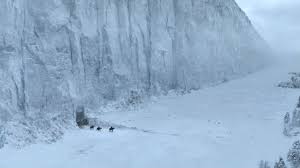
This means writers build a fictional world detail by detail, from a complex social matrix to a government and history. Harry Potter’s wizarding world is a good example as is George R. R. Martin’s The Known World from his A Song of Ice and Fire series.
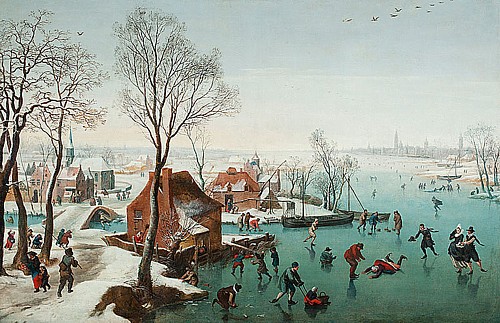
Maybe your story world is a ravaged, lawless hellhole. Intriguing concept, but readers need to understand how the lawlessness came about. This means you’ll be establishing the ‘rules’ for your universe. And keep the pressure coming by creating a breathing, weather-plagued, climate-influenced place. Well, I guess that weather could be balmy and calm, but what’s the fun in that?

I’m going to focus on immersive writing throughout this year, so keep checking back here for more information.
And I hope writers who stop by have a productive, meaningful, and exciting year. You know the drill: keep writing, keep dreaming, have heart
January, 2019

A new year, a new season, a new month. As for writing, every day is new. Keep writing, keep dreaming, focus on your goals.
Novels are forged in passion
Novels are forged in passion, demand fidelity and commitment, often drive you to boredom or rage, sleep with you at night. They are the long haul. They are marriage. Stories, on the other hand, you can lose yourself in for a few weeks then wrap up, or grow tired of and abandon (maybe) return to later. They can cuddle you sweetly, or make you get on knees and beg. ~David Leavitt
Stephen King on the real muse
There is a muse but he’s not going to come fluttering down into your writing room and scatter creative fairy-dust all over your typewriter or computer station. He lives in the ground. He’s a basement guy. You have to descend to his level, and once you get down there you have to furnish an apartment for him to live in. You have to do all the grunt labor, in other words, while the muse sits and smokes cigars and admires his bowling trophies and pretends to ignore you.
Do you think that’s fair? I think it’s fair.
He may not be much to look at, that muse-guy, and he may not be much of a conversationalist (what I get out of mine is mostly surly grunts, but he’s got the inspiration. It’s right that you should do all the work and burn all the midnight oil, because the guy with the cigar and the little wings has got a bag of magic. There’s stuff in there that can change your life.
Believe me, I know.
~ Stephen King