The first thing that distinguishes a writer is that he is most alive when alone.
Martin Amis
Join me Tuesday, April 4 Willamette Writers Monthly meeting at The Old Church
Why Characters Do What They Do
Motivation, goals, and stakes drive fictional characters to act, take risks, and get into heaps of trouble. And then more trouble. These devices also reveal and distinguish characters, propel character growth, and create drama and conflict because opposition will interfere.
Motivation stems from a potent brew of a character’s traits, beliefs, background, values and subconscious drives. Outer goals shape scenes and inner needs complicate the whole shebang. Stakes drive a protagonist, and the best stories result when stake are personal and high. If the protagonist can just walk away without personal consequences, anything he or she does can feel contrived. But when he or she must accomplish something important and individual, it’s more believable and gripping.
We’ll look at examples of all these devices from various genres using fiction, film, and television. We’ll also discuss tropes to avoid, how to create opposing and complex motivations, and how to mix things up with new plot developments.
- What: Willamette Writers monthly meeting
- Where: The Old Church, 1422 SW 11th, Portland, OR
- When: April 4, 6:30-8
- How much: $5 for nonmembers
From an Editor’s Desk: Don’t Describe Nulls
Null as in useless, fluffy, redundant phrases and words. Clutter of the writing kind. They take up space but don’t add to meaning or resonance. Let me explain.
I’ve been editing again and have been working on some exciting projects. The cannot-wait-to-see-in-print kind. I’ve also been writing a few articles on style and how to communicate with verve and conciseness. Because often it’s not what you say, but how you say it. Maybe it’s because I’m such a word nerd, but often the writer’s style and voice stay with me longer than the story does. Same goes for mood or tone.
As an example, I just read Kent Haruf’s beautiful novel Benediction. A seemingly simple tale of a small town hardware store owner who is
given a cancer diagnosis and not much time to live. The story tracks his demise so it’s an odd story to begin with, but it also tracks the characters in his orbit and weaves them all together for poignant moments and interactions. And Haruf imbues it with intimacy, tenderness, humanity, and unavoidable truths. He also has a deceptively clean style, but the bittersweet whole packs a wallop. One chapter encompassing an afternoon with 3 older women and a girl picnicking in one of my favorite scenes of all time. Not much happens, but there is naked freedom on a summer’s day that will linger with me for a long time. After I read it I felt so much better about the world. Imagine if more stories could accomplish that, although stories have many reasons for being. Here’s a review from 2013. For me, this novel has sold his other novels as well because I haven’t read his complete body of work.
Back to those pesky nulls. The one I see most often in writing is she nodded her head. Now sunflowers can nod in the sunshine and even follow the sun, laundry can nod in the wind, and trees can nod in the breeze. But on humans it’s only the head that nods. No shoulders or elbows. So you don’t need to mention head. Speaking of shoulders, only shoulders shrug, so they’re null also. She shrugged her shoulders. Because ankles don’t shrug. And either do eyebrows so don’t even think about it.
Then there are the gentle caresses when by definition caresses ARE gentle. Same with happy smiles.
Nulls often come in prepositional packages. I suggest you need to justify every preposition and modifier in your pages. They also pop up in dialogue. Here’s a snippet to illustrate:
“I’m so mad at you I can scream!” Maria screamed at Alex.
Alex didn’t answer.
“And I mean it!”
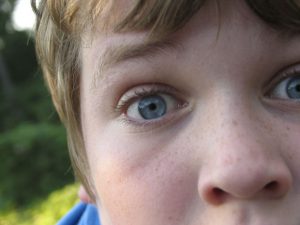
Two nulls here at Alex and Alex didn’t answer. Alex not answering delivers only a smidgen of information. What if instead the writer used subtext or an emotional response? Alex could clamp his mouth shut and turn away. Or blink. Or smirk. Or chortle. Or choke.Or his eyes could smolder. Or shoot her a look filled with loathing, though that might be overkill. Or his eyebrows could reach up to his receding hairline. {Notice they’re not shrugging here.} Or cross his arms and scowl. Or busy himself straightening his workbench. It helps to deeply consider the emotions you’re trying to evoke along with the tone you’re implying in the scene. Is it despair or aggression? What is the scene accomplishing? Resolution? Catharsis?
Nulls don’t get you there.
He reached for one of the glasses on the bar seems straightforward, but it’s not. He reached for a glass is enough said.
If you’re using quickly or most other adverbs like softly, slowly, hurriedly, frantically, stupidly and romantically you likely don’t need them. You don’t need to move quickly; sprint, dash, or race. And please no sprinting, dashing, or racing quickly because it’s already happening. You also don’t need soft whispers because usually whispers ARE soft. If it’s not, well then maybe an adverb is called for or maybe the character is hissing.
Use verbs as your workhorses–sputter, scutter, scuttle, scatter, mutter, scurry, pounce, spew, conjure, stagger, jacked, leer, grovel muzzle, and hobble. Can you hear the verve? Imagine the whinny? Choose the verb that best conveys action, emotion, attitude, or mood. Instead of He sat in the chair, go with: He sprawled in the chair. Or, He slumped in the chair.
Find modifiers that land with a jolt in the reader’s brain, illuminating, always illuminating. Cossetted, snooty, shrill, addled, broody, bloated, ashen, bloodless, rudderless. Reach for figurative language and fresh comparisons. Eyebrows thin as seaweed. Tobacco-toothed smile. Penny knew she had lost her shine long ago. Men had rubbed it off, shimmy by shimmy.
Never very or really unless in dialogue.
Spot and correct clichés, tired and overused phrases black as night, each and every, above and beyond).
Good writing is subtle. Every word adds to the meaning. Choose wisely. Curate. Because now more than ever, stories matter.
Keep writing, keep dreaming, have heart.
Always noticing
“I would tell aspiring writers to observe. They already know it’s vital to read and write whenever possible, but often people forget to watch what is going on every day in their surroundings. That is where your ideas come from. Keep one eye on your computer screen and your other eye on the world around you.” Eoin Colfer
Being a writer shapes the way you see the world. It focuses your attention and knowing. Writing adds to a deep aliveness as you’re attuned to the dailiness of things. If you’re a person who mostly lives inside your head or are always peering at a screen; who misses the changing seasons and mooncasts and sand dollars as you wander your world, how will you be able to create whole worlds from tiny marks on a page? If you don’t hear birdsong, echoes, silences, or notice hues or how the thick summer air smells of a coming storm or brine or clover, how will you engage your readers’ senses? I cannot say it often enough: the most powerful tool in your writer’s arsenal is deliberate, purposeful awareness. Taking in each day moment by moment. Noticing the large and small, open to all this brimming and thunderous world offers. Then allow for keenly-felt emotions matched to your noticing and remake the world.
Try this: Notice sensory details when you encounter thresholds. When you step outdoors for the first time in the morning pause for a
moment and take it all in. What does the air feel like against your face? What do you smell? What color is most prominent? How would you describe the sky? Practice this when you step into a shopping mall or grocery store, church or preschool. Are the children’s voices piercing? Joyful? Are art projects decorating the halls? At night step outside just to feel and see what’s out there. Stars? Quiet? Sirens? What phase is the moon in?
Keep writing, keep dreaming, have heart
To Outline or Not to Outline that is the Question
Story offers enduring emotions and shared experiences. Storytelling in all its forms is a mysterious unfolding along with a whole bag of
magician’s tricks used by the writer. But to perfect your story, be it a novel or screen play or memoir, you need to apply the logic that comes with plotting and planning. Now, stories often come from a kind of dream place, or the unconscious or subconscious if you will. Because storytelling has these gossamer origins, often a story won’t conform to a 3-act structure or hero’s journey. The writer can get stuck between the desire to improvise and discover and the need to outline or plan. That’s when you cover the basics by sketching a beginning, middle, and end, however brief.
Now, some lucky writers can see the story as a whole, will know their ending from the get-go. Some writers, though, find that writing fiction is an act of discovery, a search for meaning and truth. No matter if your process is a compulsively-finite plot chart or a loosey-goosey freefall, at some point, you need to clarify the main events and why you’re using them, and know how your main characters will suffer and change. Most stories also need a truth, a grounding in the real or fictional world, and a cause-and-effect sequence of events.
Consider these points the bone structure of a story:
- A protagonist who will suffer and somehow change* because of the story events.
- The suffering and changes will be unique to the protagonist’s background and weaknesses.
- The protagonist’s emotional or physical baggage hinders his or her success.
- An inescapable setting or environment suited for a significant backdrop and interactions. Better yet, one that presents an additional obstacle.
- An event, circumstance, incident that kicks off the story and presents a problem. This incident forces the character to react or make a decision. It’s the set-up for the drama to follow.
- A moment where the protagonist is engaged, even if reluctantly, in solving the problem and there is no turning back.
- A plausible reason for the protagonist to engage in solving the problem or achieving a goal.
- A complication, twist, or test that makes the problem more difficult to solve.
- An ending that plausibly ties up what has come before, shows the results, solves the story problem.
And if you’re thinking formula schmormula, analyze fairy tales or classic tales. Because these storytelling elements have been around since
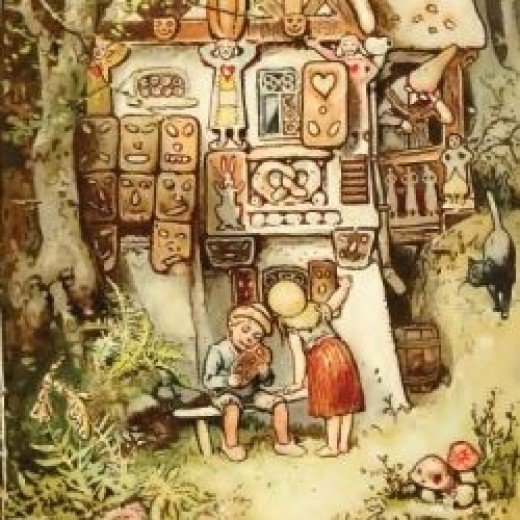
the beginning of time, which equals the beginning of storytelling. A classic tale retold by the Grimm brothers and first published in 1812 featured siblings Hansel and Gretel caught in a horrific situation. The set up: A woodcutter’s family has hit hard times. There’s not enough food to sustain the struggling family. This mirrors the reality of centuries of struggles and deprivations from crops failing, famine, and tyrannical dynasties exploiting the starving population. In a version published in 1857 their mother is dead and their father has remarried. The parents decide to lead the children into the woods and abandon them there, perhaps hoping that wild animals will provide the solution. The children overhear the desperate plot and collect stones to leave a trail to follow back home. They return home to their surprised parents. The next day the woodsman leads the children deeper in the woods and again leaves them. The children leave a bread crumb trail, but it disappears, perhaps eaten by birds.
The complication: A witch lives in the deep forest. She’s a cannibal and has constructed an edible house to lure starving children into her clutches. The hungry children fall on the house, devouring the goodies festooning it. And are, of course, captured. From there the clever children turn the tables and capture the witch. In the end they return home and their father vows to never sacrifice his children again. The plot or plan holds the story up, keeps it moving until a conclusion. You can do this.
*series characters often change less than characters in stand-alone novels.
Keep writing, keep dreaming, have heart
The all-important sentence
Not all sentences end up in novels and stories. But novels and stories consist of nothing but. Sentences are the bricks as well as the mortar, the motor as well as the fuel. They are the cells, the individual stitches. Their nature is at once solitary and social. Sentences establish tone, and set the pace. One in front of the other marks the way. ~ Jhumpa Lahiri
R is for Resolute
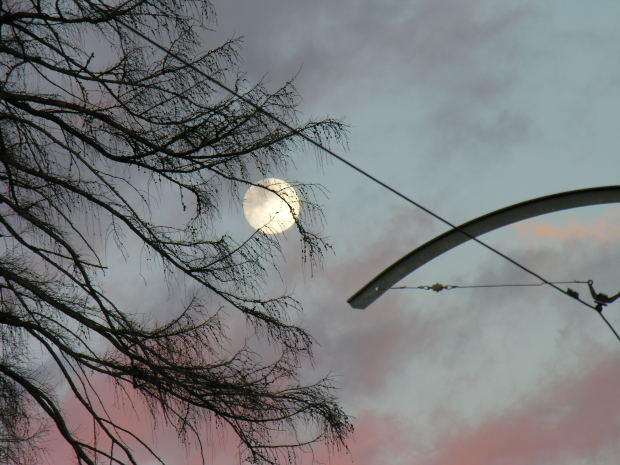
It’s the third week in February, the moon is pearly and full, spring is awakening, and days are stretching longer. Across the globe people are falling asleep, waking up, being born, dying, making love and plotting wars, cooking, dreaming and taking a wobbly first step. Writers are penning romances and thrillers and memoirs, poems and lyrics, fake news and investigative journalism. Actors are owning the stage, singers are crooning and blasting out tunes, orchestras are tuning up, and designers are putting in the finishing touches and flourishes. Pundits are pontificating, preachers are preaching, weathermen are predicting. Parents are tucking children into bed, reading them stories, spooning soft food into babies’ mouths, holding hands with a kindergartner on the way to school. Their backs bent, workers are picking avocados, strawberries, and lettuce. This teeming planet is the stage for billions wandering and marching and running and plodding.
Some days the planetary noise, the joy and movement, the grief and laughter, and just daily getting by is deafening. At the same time, the energy and inventiveness and potency of humanity is inspiring. I don’t know about you, but I’m tapping in to all the creative energy because I’m in the midst of a reboot, a do-over, a reordering of priorities.
These days I’m brainstorming, creating plans, and filling a notebook with jottings and possibilities. It’s equal parts daunting, fun, and scary. It also means I’m stepping away from the noise and spending more time at my desk. More time quieting myself and trying to ignore the happenings in Washington. It means I’m analyzing partially-completed manuscripts, evaluating ideas, and planning new courses and workshops. I’m discovering how much I missed teaching after taking time away from it and how my typing fingers are sometimes cranky. Or maybe the word is creaky. No matter, I’m at it.
I want to tell you about a small habit that I believe is useful for writers: Every
year I choose a word that amplifies how I’m going to focus my energies for the year ahead. My word for 2017 is RESOLUTE.
Resolute means moving forward with unwavering determination and focus. It also refers to backbone, stamina, digging in and not surrendering. Unwavering attention even when the effort feels like a weight too heavy. Resolute means unfaltering and unshakable. It’s a mindset that still leaves room for creativity and inspiration. Resolute means digging into specifics. Handling the details. Creating systems. Planting seeds and tenderly thinning them, watering and protecting the tender shoots.
For me resolute means defining all the parts of a process including the mop-up; making lists, and crossing off action items. Resolute means squared shoulders and sometimes late nights. Unflinching . It means your game plan is nonnegotiable. However, it also means your game plan can be tweaked and improved on. Resolute means hanging on. Because some days it’s all you can manage.
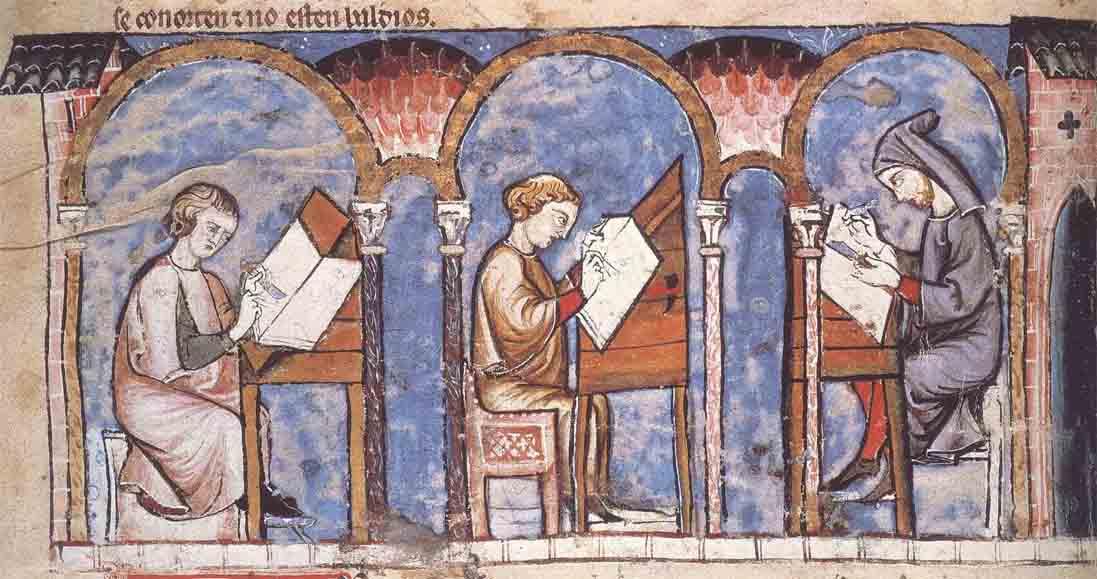
Resolute is my plan, my backbone, the doorway I’m humping through. It’s an approach that melds badassery and my inner warrior. Resolute is whole-souled and obstinate and clear-eyed. Diligent as a long-ago monk bent over a manuscript in a scriptorium. It’s my strategy against political worries, difficulty, and inner resistance.
Throughout this year you’ll find me studying the playbooks of authors who take risks, who succeed against wildly-discouraging odds. I avoid play- it-safers. No interest. Bring on the intrepid. The mountain climbers of the literary world. The authors who rip off scabs and write about their griefs and scars. The critical thinkers who clarify complicated issues. The political columnists who set things straight. The fantasy inventors who bring us wonder. The Dystopian world builders who scare us.
Steadfast is another beautiful, full-throated word. Kin to resolute, it’s a quality I value in friends and partners. Steadfast people are everywhere. The single mother up late folding laundry and making lunches. The teacher spending her free time grading papers and lesson planning. The waitress with the warm and genuine smile who makes your day better. The immigrants plucking up their courage and leaving their homelands. The lonely hearts risking at love. The full-time employee who carves out time to volunteer, sing in a choir, pursue a passion, write a novel.
How do you define resolute in your daily life? What is your North Star? What traits do you already possess that can help you remain steadfast in the months ahead? Can you muster your resources and courage? Choose goals that are attainable? Set up systems?How will you track your progress? How will you fuel your imagination while you’re focused and the word count grows? How will you use the quieter winter months for mapping your course or progressing on your current project? How will you remain loyal to yourself? Choose yourself?
Keep it lit