There is no better deliverance from the world than through art, and a man can form no surer bond with it. ~Johann Wolfgang von Goethe
Written By: Jessica Morrell
-
Dec•
09•24
Winter is Coming: Where do we go from here?
Written By: Jessica Morrell
-
Dec•
08•24
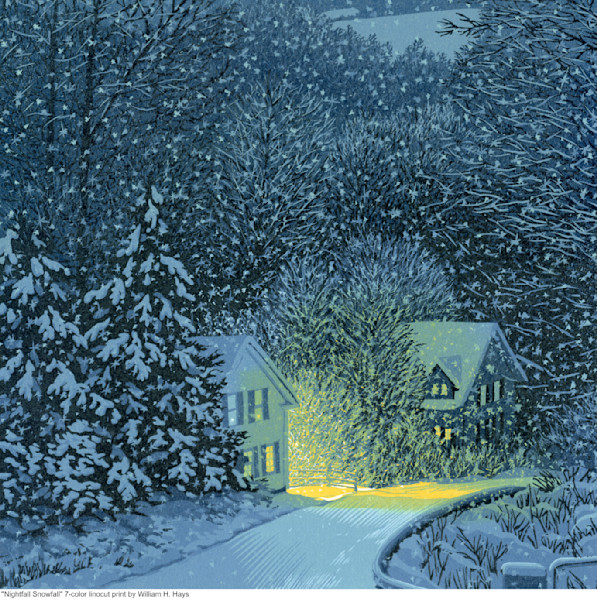 The December morning sky is a grim, pale grey today. After a week of cold, crisp, dry days that began with rosy-hued sunrises, the rain is returning. And I’m returning to my regularly scheduled program (slight joke) after traveling to Milwaukee to spend time with my dad, siblings, and friends, then returning to Oregon with a godawful cold, followed by some migraines from dental visits. Sheesh.
So it’s been extra sweet to add Christmas flourishes to my house–though I’ll put up my tree closer to the holiday. I’m also working on a knotty editing project that’s set in a faraway island 50 years ago {SO much to pay attention to}. Am stocking up on ingredients to bake massive amounts of cookies to give as gifts.
During Thanksgiving week, while consuming many cups of tea and cough drops HBO aired the Game of Thrones series. And as the first episodes unfolded, I started noticing details that I didn’t focus on during the first viewing. I was an early GOT adopter –of the novels, that is–and the whole Westeros world has loomed large in my imagination since first encountering it.
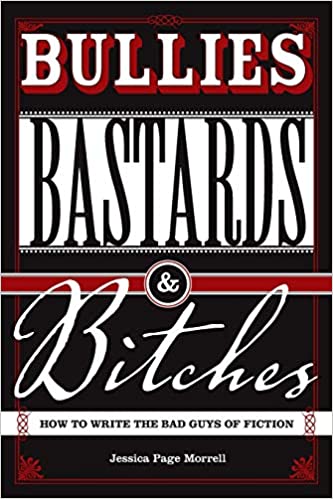
When I was writing Bullies, Bastards, & Bitches: How to Write the Bad Guys of Fiction, I was greatly influenced by Martin’s characters and storytelling. I could write pages and pages on the character arcs and reversals alone. This level of scope and enormity makes the series a rare delight to study–especially for someone who doesn’t typically choose high fantasy.
 And, although I heartily disliked the final episodes, the HBO series is a fascinating, rollicking ride. But if you’re unable to watch beheadings and senseless, vile cruelty, and generally bloody, violent happenings and merciless villains, don’t venture forth. But I’m analyzing and discerning a myriad of details, recalling how the first season {and novel} is based on the theme of loyalty. I’m now only watching one episode at a time, but when I was binging, I felt immersed and far removed from today’s reality. The series is also roughly based on The War of the Roses according to Martin and I keep finding echoes of our times.
 During Game of Thrones there are regular mentions of the Mad King–Aerys II Targaryen of Westeros. He was a dangerous, vile despot. Willing to burn down his city with Wildfire to spite a rival. The real story of his death is revealed in the episode The Bear and the Maiden, but the entire series is woven with the creepy family lore, including dragons, prophecies, and incest. Then there is Daenerys Targaryen, the heir apparent after her brother’s death and the Mother of Dragons. If you’re a fan, here’s an informative video, The Mad King’s Secret Plan by In Deep Geek explaining complex backstory and introducing the delicious term Dragon Dreams.
I’m going to again use Mad King in future references to the administration that’s about to lay siege to our country. Like millions of my fellow grieving and gobsmacked citizens, I’m figuring out how to not fall into abject despair and how I’m going to stand up for democracy. With that in mind, I’d like to add to the dialogue on this topic, and link to others who are doing the same.
Also on HBO, the final episode of Somebody, Somewhere just aired. It stars Brigid Everett and it’s so tender, real, and honest I need to recommend it. It’s a gift to humanity. I cried during a particular scene in the finale and you just might too. But then I’m a bit weepy these days. And for ballast from GOT, I’ve started watching the Ted Lasso series. In case you haven’t heard of it, though I’m guessing you have, it’s about an optimistic, big-hearted American who moves to England to help a losing football team. But the team’s owner actually wants the team to lose.

If you’re on Facebook you might want to follow beautiful soul and author Pam Houston who is posting ideas and support about our coming times. If you want to help kids learn how to tell stories and keep creativity alive, you might want to check out the 826 organization founded by Dave Eggers. And here’s a link to their thinking on the topic, or their theory of change.
The Atlantic just published their annual list of 10 books that made them think. It includes several books I’ve been planning to read and I’m going to pass it along to my book group, but I’m also going to send it to other people I know and ask them if they’d like to read any and get together to discuss the stories or ideas. Because if there was ever a time to talk about ideas, to get excited about art, this is it.
If you like book apps, you might want to check out Booky Call, and discover authors and books you might not run across.
And speaking of art, I haven’t been visiting galleries and museums much lately, so I’m going to increase my participation. I’ll be writing along with all of you, and I’m going to visit this series on LitHub. Because when the sky is falling it just might be a good time to build more skills. You might also want to donate them before the year ends.
My future holds walks and hikes and trees and gardening. Some travel. Lots of cooking. Meeting friends for meals and shared laughter and problem solving. It’s time for community, for mutual aid, for finding healthy solace.
Let’s keep the flame alive.
Let’s write, let’s dream, let’s have heart.
And hope you enjoy the holiday rituals, lights and music–may they have meaning.

Giving Thanks
Written By: Jessica Morrell
-
Nov•
28•24
For writers everywhere. For artists and their visions. For workers who harvest, farmers and growers who plant and tend and gather eggs, the cheese makers, the bread bakers, the cooks, and the dishwashers. But especially giving thanks to those who share, volunteer, and put their shoulders to the wheel. For those who teach and care for children. For those who nurse and comfort the sick and elderly. And let’s not forget the public servants who seek office to make this country and world a better, safer, saner place.
And speaking of artists, some autumnal whimsy from Chris Parsons.

Why are we reading, if not for the hope of beauty laid bare
Written By: Jessica Morrell
-
Nov•
27•24

Morning Meditation, Debra Tate Sears
Why are we reading if not for the hope of beauty laid bare, life heightened and its deepest mystery probed? Why are we reading if not in hope that the writer will magnify and dramatize our days, will illuminate and inspire us with wisdom, courage, and the possibility of meaningfulness, and will press upon our minds the deepest mysteries, so that we may feel again their majesty and power? What do we ever know that is higher than that power which, from time to time seizes our lives, and reveals us startingly to ourselves as creatures set down here bewildered? Why does death so catch us by surprise, and why love? We still and always want waking. We should amass half dressed in long lines like tribesmen and shake gourds at each other to wake up; instead we watch television and miss the show. ~ Annie Dillard
Write What Scares You 2
Written By: Jessica Morrell
-
Nov•
14•24
The morning skies are quiet and there’s a rosy sunrise burning through the firs. It was cold again last night–down into the 30s and I’m wearing heavy socks and I’m nestled under a cozy throw in a muted pumpkin shade. Towering storm clouds are taking over the skies this November as a Pacific front sweeps through. Amid the downpours there were pauses and I met friends, slipped out on errands and walks. Leaves are still clinging to the trees so despite the churlish skies, the orange and reds cheery.
But my mood isn’t. I woke too early, unsettled and grieving. Recently a lovely, remarkable friend died of cervical cancer and my 94-year-old father has decided he’s ready for hospice care. As my older brother wrote in a group text thread, “I’m not ready for this.” But his decision is understandable based on recent health calamities. So I’m traveling to Wisconsin to spend time with him and meanwhile I’m just trying to sit with this heavy feeling of dread and sadness. Trying to accept what’s coming. And it’s awful.
Part of me is taking notes about the dread, the bereavement, the uncertainity. Unfathomable. . Part of me is still reeling from the election where the worst people with the worst ideas are going to take charge of our government. Part of me is trying to focus on the now, and simply trying to concentrate when I need to concentrate. So it’s a lot and I cannot recommend enough that you write as you’re trudging, reeling, and trying not to freak out. As you write, get into your body, all the tight muscles, churning stomach, and achy, sleepless bones. While your racing brain adds its disharmony.
 When you write fiction your protagonist’s greatest fear is central to the story. About half my editing clients are thriller writers and I often point out where their stories need a deeper viewpoint. Viewpoint characters are your readers’ portal into the story. Some genres like thrillers need extra intensity because big doses of menace and uncertainty, coupled with high stakes are woven through. Thus, readers need to settle into characters, experience what they’re going through. Hearing what they’re thinking and saying. Writers need to inhabit their viewpoint characters and even if your character is far different from you. Ethan Canin suggests, Don’t write about a character. Become that character and then write your story.*
Which is why writers need to track their nervous systems’ messages whenever possible. Not in a constant doctor visit to yourself, but pay attention especially since there’s so much to mine from our reality. Then translate some of stress hormones into their characters. Or, interview others about how their bodies react during stress responses. Writing fiction means you’re promising readers you understand what it means to be human. While there are, of course, joys and happy endings that happen in fiction, it’s the jabs and spikes of terror, sadness, and disappointment that often supply the stories high points. Calling misery a high point seems odd, but tapping into your reader’s emotions is a pact you sign when you write. You’re promising them an emotional experience that will surprise them.
Each of us has stories etched into our memories from childhood. Yesterday I was thinking about I’ve got to thank my dad again for how hard he worked and those many years of bone-deep tiredness and heavy responsibilities to a family with six kids. My girlhood memories are entwined with the weird happeninsg in our neighborhood and small town–the window peekers and bullies, senseless and early deaths. All augmented by Twilight Zone episodes and my reading habits.
 Ray Bradbury was a prolific author, best known for writing Farenheit 451 who mined his childhood for this story concepts. He grew up in Waukegan, Illinois, a then smallish town perched on Lake Michigan’s shores and had an influential extended family. When he was 13 his family moved to Los Angeles, but his boyhood memories remained strong. And menace often lurked in those recollections. Bradbury’s book Zen in the Art of Writing, a collection of essays, describes his common sense process, describes writing as a cure to life’s cruelties and suggested, You must stay drunk of writing so reality doesn’t destroy you.
What he mentions often is how he kept returning to his boyhood as source material for creating fiction. In fact, the first short story he sold “The Lake” came from memories after he started making simple lists of those memories. And those lists turned into more stories. After he’d sold three stories under a pseudonym he writes, That money took me to Mexico and Guanajuato and the mummies in the catacombs. That experience so terrified me that I could hardly wait to flee Mexico. I had nightmares about dying and having to remain in the halls of the dead with those propped and wired bodies. In order to purge my terror, instantly I wrote “The Next in Line.” One of the few times that an experience yielded a story almost on the spot.
Did you notice his ‘in order to purge my terror’?
Bradbury generously describes his adventures and experiences that became stories and how he wrote a story a week in order to survive since he was only paid $20-$40 each. He muses, I don’t know if I believe in previous life, I’m not sure I can live forever. But that young boy believed in both and I have let him have his head. He has written my stories and books for me. He runs the Ouija Board and says Asy or Nay to submerged truths or half-truths. He is the skin through which by osmosis, al the stuffs pass put themselves on paper. I have trusted his his passions, his fears, and his joys. He has, as a result, rarely failed me. When it is a long damp November in my soul, and I think too much and perceive too little, I know its high time to get back to that boy with the tennis shoes, the high fevers, the multudinous joys, and terrible nightmares. I’m not sure where he leaves off and I start.
It’s a bighearted book and I heartily recommend it to all writers. I love how he keeps remindsing usthat humans have always been storytellers. That stories are all around us. My thoughts wander to our ancient ancestors gathering to storytell , their firelight gatherings. Imagine the darkness that fell in those long-ago times before electricity and light pollution and industrial clamor. The vast aloneness of it all.
What about you? Can you disguise your fears as fiction? Or do you prefer to lay them out in all their rawness and truth? Is there a happy  ending waiting on the scrapheap of your fears?
In an interview Stephen King said, “I just write about what scares me. When I was a kid, my mother used to say, ‘Think of the worst thing that you can, and if you say it out loud then it won’t come true.’ And that’s probably been the basis of my career.”
What scares you most also most captures your imagination and curiosity. What scares each person is his or her own darkness. So tell that story as only you can tell it.
It’s a long, damp November in my soul. But I’m going to keep witnessing and getting it down in words.
Keep writing, keep dreaming, have heart
*If you’ve never read Ethan Canin’s short story “Emperor of the Air” you’re missing out. It’s spectacular. And that first paragraph–the literary equivalent to a chef”s kiss.
This I Believe: Write What Scares You
Written By: Jessica Morrell
-
Nov•
11•24
 You don’t need me to tell you we’re living in strange times. Let me amend that. Since much of the history of the human race has involved all matter of weirdness and difficulties, let’s say stranger than most times.
When life hands you a raw deal or heartbreak, a scary, shitshow future, or distrust in humankind, harness it. Write about it. Writing what scares you means you’ll be revealing the inky, complex emotions and potholed messes that shape a life. It means sometimes there’s no way out–except through telling stories and making art.
Try this exercise to make use of the power of fear. Whatever you write doesn’t need to be good or polished or publishable. But then again it could lead to a potent outpouring that could shape a longer narrative.
Start by simply sitting and really feel your anxieties, fears, and whatever nightmare scenario is unfolding. Another trick to reach inward is to lie on your back with your knees raised, feet on the ground. And say out loud, I’m scared. This could rattle a raw and vulnerable anguish you’ve been holding in so be prepared.
You might want to name your fears, but first comes letting them enter and send tendrils of ice and worry along your spine. Is your private movie-slash- nightmare about something that happened to you such as a betrayal or painful parting? Lost hope or a critically ill family member?
Then again, you might feel a sweeping malaise and dread because the big picture appears so freaking grim. Existential fears are especially powerful these days: the reality of injustice; the uncertainty of nature; and the certainty of evil. Lots to mine there. Great storytelling explores the echoing caverns and hidden byways, and answers whether a human life matters.
Now close your eyes and conjure a few specific pictures or a short inner film that draws upon what your body is telling you, what’s roiling your nerves. Where do you feel fear?
My stomach feels both clutchy and shaky, my chest tight when I do the ‘I’m scared’ exercise with my eyes closed. IFear is no stranger. ‘m four and there are monsters in the shadowy closet without a door. The closet is opposite our bed, but there’s no hope since tigers under the bed.
Let the images and movies twist in your head. Now pose your hands over your keyboard {or grab a pen} and {eyes still closed} start writing. You only need to write a few sentences with your eyes shut, but tap out enough words so that it feels different than a normal writing experience. Or you can keep writing with your eyes closed.
Some writers will want to linger amid their fears and spiking blood pressure as they keep going. Some will be focusing more on the images of their fears.
Aim for at least a page or two. You can simply jot down impressions, and your body’s jagged messages. Or you might want to create a story, staging actions. You might want to pepper the scenes with sensory details. It was deathly quiet in our 3-bedroom house when I was four. Lying there petrified while the whole world seemed to sleep. The nights pitch.
Or you could keep going and create rising action leading up to a wet-faced breakdown. A horror unleashed. Or vanquished.
Then some writers need distance to explore what pains them. If that’s you, after you conjure the frightening images and can feel tension buzzing in your veins, open your eyes and pull in some deep, calming breaths, pausing on the inhale, exhaling through your mouth. A count of 7-5-7 or something similar works well. Do this at least three times and then start writing with an awareness that your breath is helping you keep it together, lending calm, leading to clarity.
We live in scary, hard times. Wave your wooden leg. As in a peg-legged pirate. The phrase means placing whatever scares or worries you most at the center of things, like a stage or screen. Margaret Atwood’s The Handmaiden’s Tale was published in 1985. It’s a dystopian tale about a regime that opresses women to the point where fertile women exist only to breed. These handmaids live in gilded slavery and their children are taken from them soon after birth. At the time it was published the concept seemed unthinkable.
Our worst fears never truly hide; they stalk our inner shadows, slipping out at the most inappropriate time, to trip us up and to prove we’re still vulnerable. If you hold back from writing about fears, your writing might lack fire. So write what scares you. That’s where the power is.
What Now?
Written By: Jessica Morrell
-
Nov•
06•24

I’ll spare you my opinions on the election, but there is a deep thundering within me. Sorrow wants to swallow me whole and hold me in grief’s endless prison. And the world is simply a atilt, dizzying, and bewildering. A planet galactic and empty and cold.
However, I just want to say this to writers, artists, and truthtellers everywhere: just for now, hold on, breath by shaky breath.
Because somehow, some way we all need to find our way back to ourselves. Back to each other. And to muddle through the next four years while still writing, engaging, and getting on with our lives. I’m not suggesting we must cross a political or moral divide, or surrender along the way. But we do need those we trust around us. We do need to feel the ground under our feet.
There is no correct or proper order to wending our way back.
As the shock fades, we need to recover our equilibrium, slow our heartrate. Exhange our shallow breaths for those more fullsome.
We need to find and make meaning in our daily lives, and search out sparks of hope, strength, and inspiration. Now, I’m not suggesting we look for rainbows, but to find encouraging words, safe places, and fellow truthtellers. And stick with them.
Because we must rebuild or find a kind of temple or sanctuary. At our desks, in the woods or on a yoga mat. With our kids, our loves, our confidants. Or maybe visiting an art museum will rehabilitate your equilibrium. There’s a huge park full of playgrounds and walking trails a few miles from my home. I’m usually walking there alone so as I’m dodging the dog walkers and skateboarders, strollers and kids chasing each other, I’m also filling up on a sweet dose of humanity–not to mention happy dog energy.
Whenever grief or threat or loss come along, we will always need a means to return to who we are. No matter if our sanctuary is buried under rubble. No matter if our search map is tattered. No matter if it feels like you’re twisting, struggling in a gone-mad world. A real-life Hunger Games.
What matters is that we keep telling and writing truths in all their forms. Make our voices heard. Our art seen.
Because humans have always made art and told stories in the face of evil, injustice, and madness.
What matters is we figure out how to reset.
But for now, as we feel what needs to be felt, our special alchemy will be in the making. Our inner glittering treasures that we’re going to share will emerge. Even if today we’re stumbling in the dark.
Dee Nickerson–on Election Day 2024 I’m calling this Here Comes the Sun
Written By: Jessica Morrell
-
Nov•
05•24