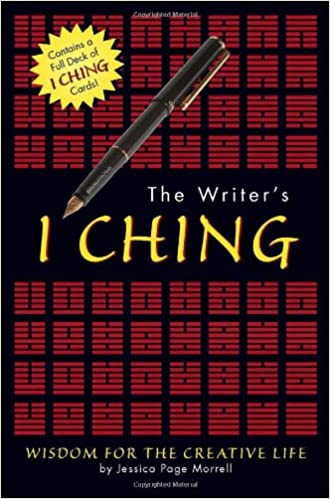
January 25
Information is here.

“Use what you have, use what the world gives you. Use the first day of fall: bright flame before winter’s deadness; harvest; orange, gold, amber; cool nights and the smell of fire. Our tree-lined streets are set ablaze, our kitchens filled with the smells of nostalgia: apples bubbling into sauce, roasting squash, cinnamon, nutmeg, cider, warmth itself. The leaves as they spark into wild color just before they die are the world’s oldest performance art, and everything we see is celebrating one last violently hued hurrah before the black and white silence of winter.”
– Shauna Niequist
Cold Tangerines: Celebrating the Extraordinary Nature of Everyday Life
 Stay tuned for details about another stellar one-day conference.
“Who wants to become a writer? And why? Because it’s the answer to everything. … It’s the streaming reason for living. To note, to pin down, to build up, to create, to be astonished at nothing, to cherish the oddities, to let nothing go down the drain, to make something, to make a great flower out of life, even if it’s a cactus.”
—Enid Bagnold
October 12, 2013
9:30 – 4:30 p.m.
Tabor Space 5441 S.E. Belmont, the Library
Portland, OR
 The task of a novelist or memoirist is to tell a story so riveting that it will hold a reader’s attention for hundreds of pages. This requires intimate knowledge of the characters, their inner lives, and central dilemma. It also requires an understanding of plot; the sequence of events that take readers from beginning to end.
These events won’t hang together without a compelling structure or architecture that underlies the whole—the essential scenes that every story needs to create drive, tension, conflict, climax, and resolution. These must-have scenes in your story, especially the plot points and reversals, power stories forward.
The anchor scenes we’ll cover are: Inciting Incident, First Plot Point, Mid-point Reversal, Dark night of the Soul, The Point of No Return, Climax, and Resolution. We’ll discuss how they’re linked to protagonist’s character arc, how they’re emotionally charged, and build the plot. By the end of the workshop participants will have outlined these crucial scenes and know how change is the basis for scene writing. As part of the lecture we’ll be discussing the anchor scenes in The Hunger Games and the film Witness. Comprehensive handouts will be included and space is limited.
 Claim Your Story Writing Conference
October 19, 9-5
Whether you write fiction, essays, or memoir, there is an art to stringing together words to elicit an emotional response from your readers. The first annual Claim Your Story Writers Conference, October 19th at the Lithia Springs Resort in Ashland, centers around the idea that all good writing emerges when writers possess the heart of an artist and are willing to step up and tell their tale. This one-day event provides an opportunity to focus on the craft and breathe new life and color into your writing. Our aim is that writers produce work that is more vivid, true, and powerful than they’ve been able to produce before. Workshops will be taught by talented authors who are also distinguished writing teachers: Lidia Yuknavitch, Alissa Lukara, and Jessica Morrell.
You can find the complete schedule here: http://claimyourstory.com/claim-your-story-schedule/
Saturday’s keynote speaker will be Lidia Yuknavitch author of the acclaimed memoir The Chronology of Water, Dora A Headcase, and other collections and books. She will be speaking about The Worth of Risk.
The Lithia Springs Resort in Ashland is an exceptionally charming setting in a charming city. Conference attendees will be able to tour the gardens and enjoy the peaceful surroundings. Discount rates are available for conference attendees and include breakfast.
To register: Cost for the conference is $125 and includes a catered lunch and beverages. To register or for more information about the conference including the schedule, visit the conference website at http://claimyourstory.com Payments can be mailed to Jessica Morrell, P.O. Box 820141, Portland, OR 97282-1141. PayPal payments are also accepted.
Conference participants who will need hotel rooms are encouraged to reserve accommodations as soon as possible at http://www.lithiaspringsresort.com
The instructor’s websites are located at:
www.lidiayuknavitch.com
www.jessicamorrell.com
http://www.transformationalwriters.com
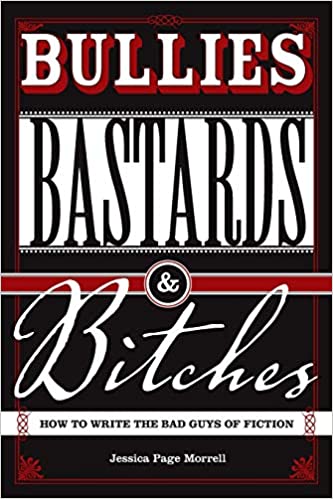
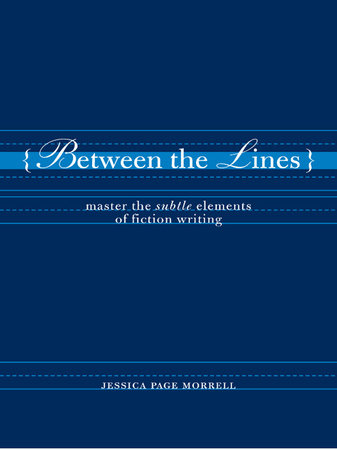
Jessica Morrell, the conference coordinator, is the author of six books along with the upcoming No Ordinary Days: the Seasons, Cycles, and Elements of Writing. She works as a developmental editor and is the founder of the Summer in Words Writing Conference in Cannon Beach, Oregon and Making it in Changing Times Writing Conference in Portland, Oregon.
 And the year is spinning away. Days are growing shorter and the glittered-up glories of summer are fading. If summer has weakened your writing practice or made you foot draggy; if no splendid hopes keep you at your desk, take heart. Forget all those writerly maxims and get back at it. Here’s how:

“Start with a blank surface. It doesn’t have to be paper or canvas, but I feel it should be white. We call it white because we need a word, but it’s true name is nothing. Black is the absence of light, but white is the absence of memory, the color of can’t remember.”
– Stephen King, Duma Key: A Novel
“There is but one world and everything that is imaginable is necessary to it. For this world also which seems to us a thing of stone and flower and blood is not a thing at all but is a tale. And all in it is a tale and each tale the sum of all lesser tales and yet these are also the selfsame tale and contain as well all else within them. So everything is necessary. Every least thing. This is the hard lesson. Nothing can be dispensed with. Nothing despised. Because the seams are hid from us, you see. The joinery. The way in which the world is made. We have no way to know what could be taken away. What omitted. We have no way to tell what might stand and what might fall. And those seams that are hid from us are of course in the tale itself and the tale has no abode or place of being except in the telling only and there it lives and makes its home and therefore we can never be done with the telling. Of the telling there is no end. And in whatever place by whatever name or by no name at all, all tales are one. Rightly heard all tales are one.”
– Cormac McCarthy, The Crossing