Word by Word

Practical insights for writers from Jessica P Morrell

Bitter Truth

Written By: Jessica Morrell - Jun• 20•12

(a new short column whereby I dispense harsh truths about the writing life. Because sometimes we need harsh)

Writing can be an inky, bottomless dungeon of frustration. As it should be. Rewards that come easily aren’t always the most satisfying. Most activities in life will not require multiple revisions, begging for a chance in the marketplace, and stab-in-the heart rejection. Not to mention all the doubts, dead ends, and weak beginnings that need to be scratched out. Then there are the mistakes that we all make, over and over. Even when we know better. And I’m not talking about wrong comma placement. I’m talking serious boners as in your viewpoint wanders or your protagonist is an enigma.

If you’re a person who cannot handle a lot of frustration and starting over and loneliness you might not be suited for writing. If you’re a person who is not self directed and patient and preserving, you’re in the wrong gig. And that’s just the bitter truth.

Next bitter truth: being good is not enough

Connecting the Dots

Written By: Jessica Morrell - May• 31•12

Jessica P. Morrell©

“Writing is a highly complex act that demands the analysis and synthesis of many levels of thinking.”  ~Donald Graves

When I’m editing a manuscript I can separate it in one of two categories: the projects that feel like I’m reading a coherent, publishable story and the ones that feel like I’m reading a raw or flimsy manuscript.  The first category of manuscripts is a pleasure to work on; the second type requires a lot of stamina and analysis. Since writing is designed for the theater of the mind, I want to suggest ways to make your manuscript unfold in the reader’s imagination with both vivacity and plausibility. Everything we write needs to link to something within our readers. All storytelling is about illuminating and enriching the every day and sometimes bypassing life as we know it into the fantastical. I want to talk about story characteristics that are often unheralded and invisible.

It’s impossible to write fiction or memoir without understanding its underpinnings such as conflict, scene structure, and character development. Without this understanding you might write page after page, but you likely will not create a comprehensible story; instead you’ll produce an aggregation of words or a jumble of scenes loosely clustered around ephemeral characters. And because a novel or memoir is the sum of many parts, learning how these parts work together, how to connect the dots between them is indispensible.

Good writing is easy to follow—it’s coherent, unified, and has an internal logic that guides readers seamlessly through sentences and scenes to a rewarding conclusion. This means that there are powerful links throughout. It means that on each page the story appears to have been written by one person, at one time. And in the end, the reader comprehends the order, viewpoint, and logic of what has been written.

Unity means that your story cannot read like it was created by a committee or critique group, but instead crafted by a single author with a singular vision and focused design. Just as in a symphony or any musical composition, each note is designed to create a profound, overall effect. An effective story has a single, unified purpose, mood and voice that sweep the reader toward an inevitable resolution. Along the way, the writer uses many devices and techniques such as description and action, all working together.

You can identify unity in other types of art. In a pop or country song for example, you’ll notice its unity by a repeated refrain, chorus or chords. In a film unity is enhanced by the editing choices and the overall look and sound of the film. Sometimes the longer a writer labors over a manuscript the less unified it becomes. This happens because writing novel-length projects requires making constant decisions as you go along. And sometimes these decisions result in a sort of hodgepodge of a story. Thus  you will need to edit for unity in your final revision.

It’s important to remember what readers expect and want from us. Every work of fiction or memoir should possess an emotional feel, an overall tone you want readers to experience. Now, while tone will vary throughout the story, the general feel may be steamy, or swashbuckling or creepy, or hide-under-the-bed scary. You may want lyrical, romantic, dark, or mysterious. Tone unifies.

A story that is unified does not contain needless digressions, extraneous characters and unnecessary scenes. It all leads to an inevitable conclusion amid a profound sense of reality. For example, in a unified story, each character’s sojourn in the plot matches his or her importance to the storyline. A secondary character may have a significant story but you don’t have as much space to develop it, so you choose what to include and make it fit the confines of the overall story.

Unified storytelling also has an internal logic that glues it together—the impression that things make sense, that the storyline is credible. Actions in the story and character’s motivations operate by reason, there is a causal relation between actions, and there are reactions and consequences for actions. This internal logic coupled with a sequence of events lead the characters from their stance and attitudes at the beginning of the story through complications and trouble until the story problem is finally solved. The sequence or the order in which things unfold also makes sense.

Once the story problem is established, a writer might rearrange the order of events. But all must be presented with a nod to symmetry, logic, and story archetypes.  Perhaps the story is based on something sacrificed for something gained, love conquering fear, or justice being served. Or your story is about a quest for glory, the hunted and the hunter, or a tragic confluence such as in House of Sand and Fog. In this story an Iranian immigrant, striving for a foothold in America, buys the family home from a young woman on a downward skid.  It’s the American Dream gone horribly awry.

Logic demands that the storyline focuses on the most significant events in the protagonist’s life. Even the most magical and extraordinary occurrences can seem reasonable in a story as long as the author provides concrete details which prove their significance. Logic also demands that the story events bring the protagonist’s internal conflict to the surface.  With internal conflict as part of the mix, then individual scenes will take on greater force because the internal conflict must also be resolved.
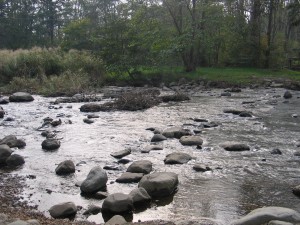
  Flow is also part of  unity—a sense of a seamless unfolding or how the ideas, themes, scenes are all connected so that the reader isn’t jarred or confused while visiting your story world. Flow always reminds me of rivers. Flow also occurs on the sentence level. It’s noticed when a story is read out loud and the reader doesn’t trip over or omit words on the page. Each sentence builds on the ideas in the last, and each paragraph has clear links to the preceding one. The reader doesn’t need to strain to follow the writer’s train of thought, or the style doesn’t get in the way of the content.

Elegant writing isn’t easy or effortless. Revising for flow, coherence, and unity takes attention to detail, because flow can fail at any of the many joints in a piece of writing—between the sentences, at the boundaries of the paragraphs, or between scenes and chapters. Focusing on these areas as you revise can make your writing more unified.

Last month I started explaining the components of unity and flow in writing. So let’s return to the topic about how to knit words and ideas together to create a cohesive whole. Cohesiveness is one of the invisible aspects of writing that keep the reader engaged in the story. Readers don’t want to reread sentences or scratch their heads when they feel lost or confused. Word usage and techniques that create continuity and unity affect what a reader absorbs and remembers.

Writing logical, powerhouse sentences and paragraphs involves editing and revising with different mindsets in different cycles. First edit for content (information, inclusion, and structure), and second for mechanics (logical progression of thought, parallelism, active voice, and grammar). Each sentence builds on the ideas in the last, and each paragraph has clear links to the preceding one. The results are that readers don’t strain to follow the writer’s train of thought or actions in a scene. The writing doesn’t get in the way of the content. In fiction or memoir, the scenes and events follow an orderly or understandable sequence.

Without voice all the elements of writing won’t work. There needs to be a strong, identifiable, authentic voice binding it together. Voice is that magical, intangible element in stories that agents and editors are always looking for. Without it you’ve merely collected words on a page. A potent, authentic voice separates good stories from mediocre ones.  When you add voice, a personality, outlook, and sensibility are introduced. The writing breathes. Voice is personality on the page and creates trust in the reader.

Voice will affect your word choice, sentence and story structure, even your punctuation. Voice rules. Voice will include persona, style, tone, word choice, and sentence length.   In fiction the voice can range widely when in the hands of Daniel Handler (Lemony Snicket) Diana Gabaldon, Charles Dickens, Eudora Welty, Mark Twain, J.K. Rowling, Dennis Lehane or Jane Austen.  Likewise, in nonfiction the variety is endless in tales told by Tobias Wolfe, Jeannette Wells, Mary Carr, Frank McCourt, or Truman Capote. A voice, through tone, reveals the attitude of the writer or character, or mood of a piece. This means a voice can be snarky or sincere, colloquial or highfaluting, wise or wisecracking, coy or honest. Voice tells the reader who is writing or telling the story and why and what she/he thinks of the topic.

Voice is intimately connected to viewpoint—the lens through which the story is focused. Point of view is one of the most basic elements when writing fiction. If you get it wrong, the story flounders. One of the problems I see most often in manuscripts is inconsistency and shifting point of view. It can also happen in nonfiction when a writer starts imagining what another person thinks. Viewpoint mistakes and shifts disorient the reader and garble and muddle the story. It’s vital that readers can identify, then come to trust the thoughts, emotions, and voice of the viewpoint character or narrator.

Most elements of the story contribute to the theme, which in turn creates unity. A theme is the controlling idea or central insight and deepens the reader’s experience, yet it lurks beneath the plot. It is implied, not preached. Thus, a reader extracts this meaning, often not conscious of doing so.  Theme helps weave the story together while commenting on society or human nature. Common themes are greed, abandonment (the Harry Potter novels), redemption, selflessness, survival, hope (The Road).

Along with themes, motifs are a recurring element in a work of art — music, fiction,  plays, as well as in architecture.  A motif is evocative and usually symbolic—carrying meaning beyond it’s literal one. Motifs haunt readers and can add layers of meaning to stories. In music and architecture, motifs often serve solely to lend a pleasing effect.  But in storytelling, this type of repetition and emphasis is tied to themes. A motif tends to take on certain associations from the particular situations in which it emerges. In Lord of the Rings, the ring is the central motif reflecting the fight between good and evil. Tolkien also uses light and dark to portray good and evil.  In The Secret Life of Bees the bees and hives as well as a religious statue are central motifs. In Romeo and Juliet the stars shed light on their love.

Symbols use a concrete object to convey abstract meanings. Symbols often forge meanings in a story while adding subtle threads that connect. Colors, nature, and natural cycles are probably the most used symbols such as the dawn symbolizing a beginning. Often in stories or films a shared meal symbolizes communion, children symbolize innocence.  In The Adventures of Huckleberry Finn the Mississippi River symbolizes freedom. In the film American Beauty, red roses, rose petals, the color red are used throughout. They symbolize passion, sexuality, and life force. In an opening scene Annette Benning, unhappy and repressed, is cutting the roses.

Like other writing devices, flow is a nearly invisible factor, but when it’s employed, your writing will be seamless and smooth and graceful. But without flow your writing happens in fits and jerks, it flounders on the page, topics isolated like ice floes in a vast sea.

   An essential technique that creates flow is transitions and often writers neglect to use them.   Transitions are the words, phrases, sentences or paragraphs used to bridge what has been said with what is going to be said. They’re the connector words and phrases that keep readers knowing where they’ve been and where they’re going.

Simple transitions are generally, but not always, a subordinate clause placed in the beginning of a sentence or paragraph and used as a road sign indicating a change. Probably the most famous transition in writing is “meanwhile, back at the ranch.” It provides a shorthand note and the reader knows, Ah, we’ve changed locales; we’re at the ranch again. Wonder how Ellie is getting along since Jed has been on the cattle drive for three months now.

Transitions are handy devices because they can accomplish so much in only a few words. Their jobs are to signal: a change in time, a change in place, a shift in mood or tone, or a shift in point of view. Transitions also clarify relationships, emphasize, contrast or compare things, conclude actions or thoughts, and create associations. Often the best transitions are short, clear and unobtrusive. They are especially helpful when the story or topic changes direction or emotion.

Flow is consciously applied as a courtesy to the reader because readers deeply resent being lost of confused when amidst a page or story. Readers also hate to be jolted or feel a sense of disorientation or bewilderment.  Flow provides the map, flow connects the dots, flow grants readers firm footing. Flow aids the internal logic needed to make your ideas comprehensible.  Flow will move the reader from sentence to sentence, paragraph to paragraph, idea to idea, scene to scene, and chapter to chapter with grace and ease.

This article is the copyrighted property of Jessica Morrell. Distribution or reuse only with permission of the author. 

 

Registration still open

Written By: Jessica Morrell - May• 21•12

   For the fifth annual Summer in Words Writing Conference until June 12

Keynote speaker is best-selling author Chelsea Cain.

Inspiration, craft and information on the real business of writing.

   Dates are June 15-17. Located at Hallmark Inn & Resort, Cannon Beach    Oregon. Details are here.

Join us. You’ll be amazed at how much you can learn.


Moment to Moment

Written By: Jessica Morrell - May• 13•12

  Sometimes the smallest moments remind us of how fortunate we are to be writers.

I’ve been thinking about this ever since I was down in Tallahassee last weekend teaching at a writing conference. My plane arrived late on Thursday night and Roberta, a member of the Tallahassee Writer’s Association, picked me up at the nearly deserted airport. She owns a Miata convertible and after wrestling my suitcase into the miniature trunk, we drove through the midnight hours with the top down and the night air sultry and as caressing as lover’s embrace.

I’d left Portland that grey morning amid drizzle and cold and now I was transported into what felt like the tropics. As we drove along in the quiet I noticed the perfumed air, an enchanting mix of honeysuckle, wisteria, and wild roses. Trees dotting the landscape, looming mysterious in the night. A green place.

It was a busy weekend since I taught four workshops, met with writers, ate meals and mingled with writers. Talked a lot. Slept little. That slept little part was a problem.

On Sunday afternoon after lunch I stepped out of a meeting hall into dazzling sunlight to walk back to the hotel to check out, musing about  the writers I’d met, the conversations I’d participated in, the stories I’d read, laughter shared. The sun ablaze as temperatures neared 90, I felt languid from the heat and slowed by fatigue.

Ahead coming towards me were five African-American women, apparently just emerging from a pool since they were dressed in parrot-bright swimsuits and towels. The path they were on curved among trees and palms and it was as if they were a colorful, moving mirage with their rolling gaits and easy laughter.

I kept walking, the women now behind me when they began singing an old hymn, the chorus rolling through the heat toward me dreamlike and magical and rare. The harmonies easy and lifting. “Softly and tenderly Jesus is calling. Calling for you and me.” And I felt like I had been blessed or that fate had tapped on my shoulder.

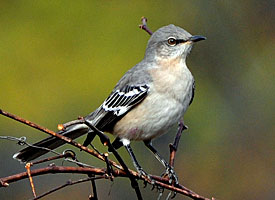
As I was hypnotized by their song, “come home, come home” I noticed a mockingbird perched on a branch overhead. It was singing too.  “Many tongued” and “mimic” are part of their name and it’s theorized that their brains have more storage for songs than other birds. The medley it was producing sounded like part bird song and part hymn. I slowed, then stopped, taking in the distinctive markings with outlines along its wings.  The song repeated and sweet, although he was probably claiming territory.

By now I felt sort of floaty, the heat enveloping me, loathe to walk away from the songs. But the women’s voices were more distant now since they’d almost reached their hotel.

I often tell writers to use sounds in their stories—not just dialogue, but screeches and barks and songs and slams. The brain reacts to sounds through our nervous systems honed in eons past when a predator’s growl or a cry slicing the night meant the difference between survival or death. Sounds evoke emotions in readers and onomatopoeia (words that make noise) are especially effective.

And as if I’d been walking through a dream I walked into the air conditioned hotel lobby.

Later, as Roberta and I drove back to the airport, reversing our trip in the daylight past  palms and the live oaks draped in Spanish moss and noticing the differences in neighborhoods and architecture styles, the palms and green.

And I mention this again and again to writers. Pay attention. Moment to moment. Writers are scavengers and eavesdroppers. You never know what magic might appear when you least expect it. Write it down.


Maurice Sendak Dies

Written By: Jessica Morrell - May• 08•12

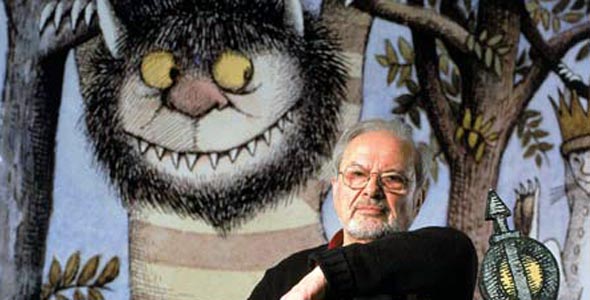
Maurice Sendak will never be forgotten. His life and body of work are inspiration for writers everywhere.

He wrote from the dark places of childhood and fears and longing. Thanks for the magic Mr. Sendak. Rest where the wild things are. Here is his obituary.  To hear his thoughts on writing in an interview with Bill Moyers go here. Let the sad rumpus begin.

Going Home

Written By: Jessica Morrell - May• 03•12

Going Home

€Jessica P. Morrell

Nostalgia is a file that removes the rough edges from the good old days.  ~Doug Larson

Almost two years ago I went home to the small town in northern Wisconsin where I lived until I was fourteen. The occasion was my father’s 80th birthday and I found a place changed by time, and sometimes as I drove down the streets it seemed that I was seeing it for the first time because the reality of this place doesn’t match what exists in my memory and dreams.

I experienced the biggest gap between now and memory when at night the fireflies didn’t appear with their tiny inner lanterns. An uncle suggested they liked open meadows, a brother said they had them in their Illinois backyard. I since have learned that their best habitat includes standing water and long grass, and since the house I grew up was located near a creek and surrounded by meadows, I understand why I didn’t spot any in the town, city, and lakesides that we stayed in. But I was disappointed since I live in the West where fireflies mostly don’t exist and they were everywhere at night when I was a girl, they were part of dusk, part of dark, lighting the shadows and night and our gladiator arena where we played nighttime games and laughed about ghosts and spooks.

As writers we all need to return in memory to the places of childhood or our roots because without memory our writing cannot represent us fully and cannot be well-charged with emotion and sensory detail. We need to visit our origins to understand this queer pastime we’ve chosen, the reasons for why we became a person whose most absorbed and passionate hours are spent arranging and re-arranging words. Because going home illuminates our grown-up lives and if you’re a writer there are no forgotten children and there is always shelter and sky and seasons.

Even without knowing it, we all write from a sense of place and from the jumble of our pasts. And in these pasts were our confused emotions and hurts and secrets, the seed or source of our writing.  Going home you can find your first literary idols and the library with its smell of books and wood and rain. You can find the specificity of detail that brings a place, and thus a story to life. Going home you might find the haunts and shadows, or the impetus for your feral imagination.

We can never truly recover our pasts, not even if we have reams of photographs and grainy films and boxes of childhood trophies. But we can search for them, and we can use sojourns into the land of memory as inspiration, or even a road map for writing.  Memory and storytelling are as linked as right hand, left hand joining forces on a keyboard to shape words.  We can trace our family dynamics or our cousin’s family dynamics into a story remembering if things were tense or easygoing or if secrets lurked.  We can mine the senses, feel the intensity of times past, especially feelings of vulnerability or not knowing.

Unspooling the past we recognize how it adds breath and energy to our writing. That writing from experience, even if it’s emotional experiences, as opposed to actual experiences, has huge value. You ask yourself questions about your simple desire to tell stories and why your eight-year-old self wrote spy stories or horror tales and poems.

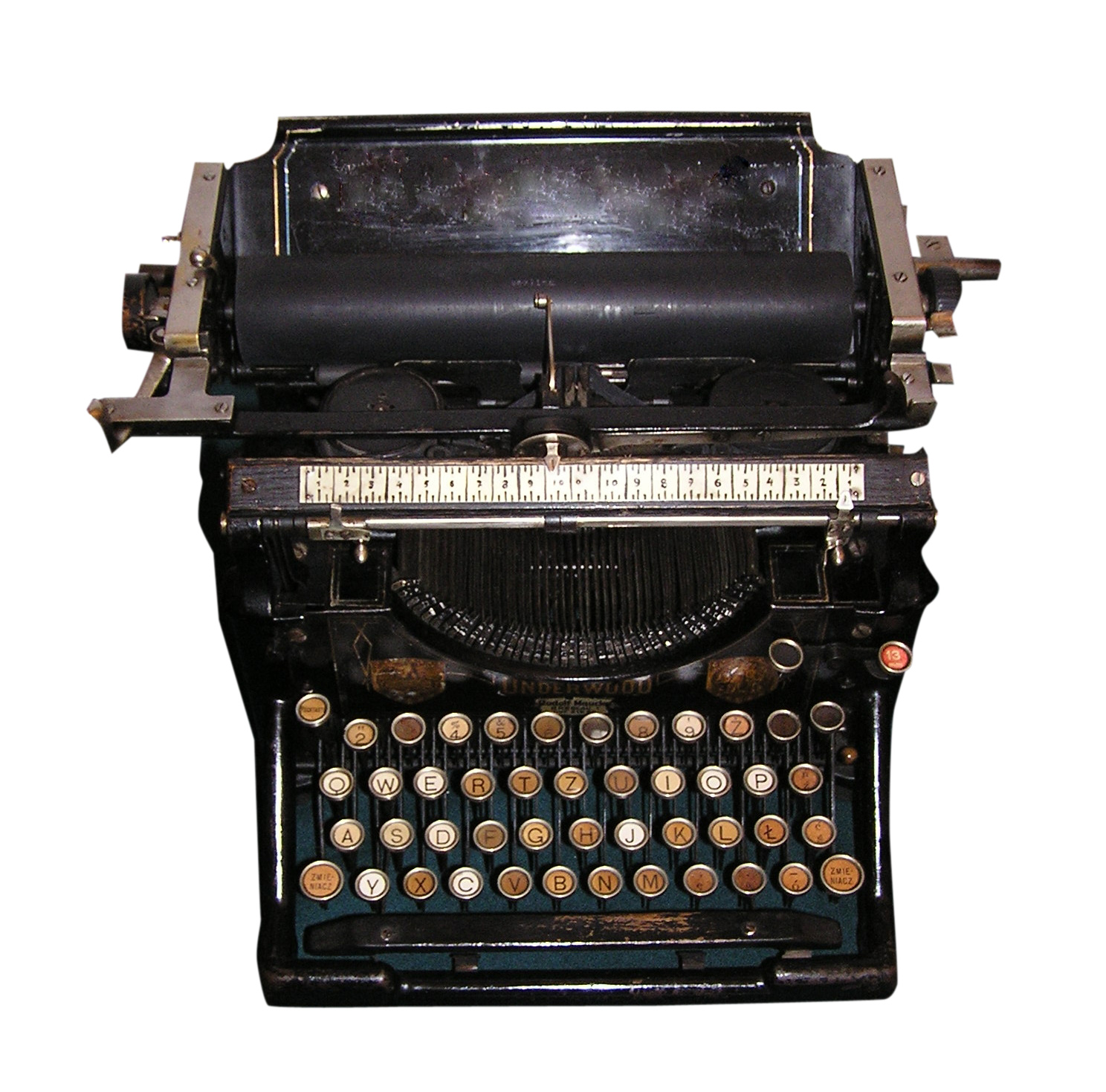
From the safe perch of adulthood I look back at the girl I was with all her longings, passions, and black-hearted jealousies. I can feel the keys of my Royal typewriter I owned as a girl, can see the desk I sat at, filled with such importance that I had my own desk, my own place to write.  I find my clumsy metaphors, my girlhood griefs, the big and small cruelties of childhood, the words stuck or stalled in my throat, the bottled-up anger at small and large injustices,  the insecurities and obsessions, the joys of running along the creek and playing games of make-believe, the breadcrumbs that lead to my starting point as a writer.

When going home you find the music of previous eras the songs that tug you back in time yet live on. You never forget these lyrics and their reminders of heartbreak or first love, or the giddiness of youth. It’s all there, the richness and texture and tangle of memory, the old and retold stories.  At times the soft edges of the past and sharp lines of the present clash and groan like winter ice breaking up in the spring. And as we write from memory, more memories arrive, and with memory comes associations and inspirations and more stories. And we find patterns, sometimes that have gone unnoticed for years, threading through events and truths and discoveries.

But mostly when you go home, you see stories, a narrative, everywhere in the remembered and the now.  Stories practically grow on trees and swim in the familiar air. The air of my past is heated and bathed in humidity and my grown up body finds these temperatures unbearable, but the baked summers of my childhood were spent in creeks and rivers, not air conditioning and summer arriving always returns me to childhood.

Of course we’ve changed from that person of past decades. It’s natural to grow and evolve and have new strivings and yearnings. But retrieve why you became a writer in the first place. The why of your writing self. Become a detective, a seeker after the treasure of your desires.

Go home to make peace with your past, with the pains and sorrows and lessons of all that was. This is not a sentimental journey, rather it’s an un-rosy pilgrimage, a necessary voyage.

Driving through my former hometown the streets were unpeopled and sleepy, the yards unoccupied, the windows blank. It seemed like a sound stage, when it wasn’t amplified by emotions and memories. The downtown is now mostly cell phone stores, secondhand shops, and auto parts stores.  Missing was the J.C.Penney department store, the Woolworths and Ben Franklin, the shoe stores, dress stores, the daily newspaper office, the mom and pop bakeries, and family-owned diners.

While the downtown has withered, the town has blossomed on the outer edges near a freeway exit with chain motels, a Subway, McDonalds, a Wal Mart where you’ll find more people than anywhere else, a Piggly Wiggly, Dollar Store and Hallmark store. But there is still the majestic court house with its four-sided clock, the many graceful churches planted amid quiet neighborhoods, the library where I spent so much time as a girl which now houses some of my books. The legacy of the forest industry visible in the blocks of  grand historic homes as well as in the forests that surround the town.

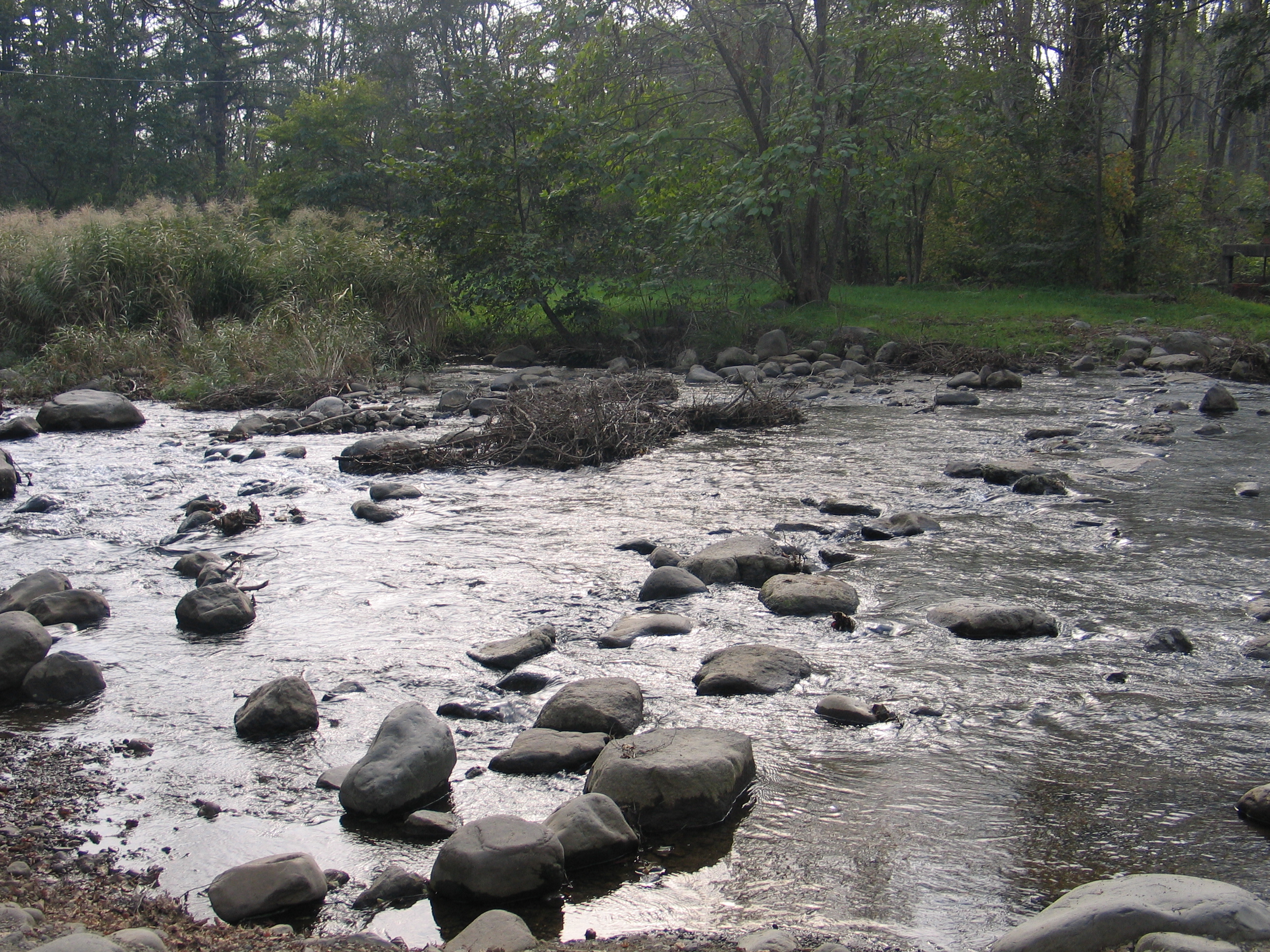
The Wisconsin River winds through the town, splashing over rocks and dams before joining the Mississippi. When I think back it’s the place where the sound of rivers and streams have slipped into my blood, a great birthplace for a writer. We all know that time changes us and places and things, but for writers the question is how.


Summer In Words 2012 at a glance

Written By: Jessica Morrell - Apr• 27•12

Summer in Words Writing Conference 2012


You don’t want to miss the stellar line up of professionals and bestselling authors so register soon.  Expect craft workshops that you can immediately put to use and inspiration that will propel you to your next steps. If you’re staying at the Hallmark Inn & Resort, register by May 14th to receive the group rate at 1-888-448-4449.

This year’s theme: Refinement, Resonance & Renewal

Keynote Speaker: Chelsea Cain


Friday   June 15                        Saturday   June16              Sunday June 17
Bring Down the Fire,Emotional Resonance, Morrell Book Publicity: The Lowdown for Writers. Glenn Subtext: The River of Emotions Beneath Stories, Morrell
Invention Techniques for All Writers, Rogers Becoming Fierce in Your Writing Life,Cohen Page by Page: Creating a Writing Life and other Hard Truths, Lamb
Wax on, Wax Off, Making Writing Shine,Rakha Keynote: How to Murder for MoneyChelsea Cain Q&A: Risk to Get It Published
Strategies for Short Shorts, Rogers Defining and Refining Characters,Lamb Wrap Up(We end at noon on Sunday)
Reception/Book Signing: The Productive Writer Archetype, Cohen Out Loud…

For information contact jessicamorrell (at) spiritone.com o Updates at http://summerinwords.wordpress.com


Writing is Hard

Written By: Jessica Morrell - Apr• 20•12

Time spent focusing on art is a privilege and a gift. The writing doesn’t make me happy, but it makes me happier, and it makes everything else easier to take. Stephen Elliot, from an essay first published in Tin House

            If you’re a writer you know that writing can be the best fun you’ll experience outside of the bedroom or hanging out with well-behaved and imaginative children who are giggle-prone.  But—and this will come as no surprise to most of you― writing is freaking hard. How hard? For some people it is childbirth hard. Attending the funeral of your dearest friend hard. Getting fired hard.

If you belong in that category of writers, this piece is written for you. If you’re the sort of writer where stories just flow, tra la la like gold pouring from your fingertips and it feels like you’ve got diamonds in your eyes, you can skip ahead.

For many of us writing is labor and some days our scratchings resemble Ingmar Bergman’s dream journals.  It’s not labor like fighting a blazing fire, or farming, or factory work, or building a road, or even cleaning the kitchen until it gleams. It’s certainly not as hard as teaching a roomful of toddlers or standing under the merciless lights in the operating room and opening up a patient’s heart and rewiring it.

despairBut it is also a tiring physical act. It will wring you dry, fry your eyes, kink your neck, and possibly ruin your sleep. Some days it will feel like you’re lying on a cold concrete cell floor and your cruel prison guard is dripping ammonia, drop by drop, onto your face. And all you can do is lie there, and struggle not to choke.

And the weird thing is that you volunteered for this prison stint, since no one forced you to be a writer.

It’s hard because it requires honesty and clarity of thought.

It’s hard because it requires such intense concentration, focus, blotting out distractions.

It’s hard because it takes so much time, the most precious commodity of our times.

It’s hard because often your friends and family don’t understand why we’re doomed, um, I mean destined to write so they whisper behind your back, or closed office door, or at parties where you appear disheveled and glassy eyed after a major rewrite.

It’s hard because sometimes editors reject your work.

It’s hard because it takes years of practice.

It’s hard because often you need to work at soul-sucking jobs that don’t allow you enough time to write.

It’s hard because it forces you to conquer your anxiety, again and again.

It’s hard because learning makes you feel like a queasy, nerdy amateur.

It’s hard because many people associate uncertainty with difficulty.

It’s hard because it takes hubris to believe that you can concoct an entire world and population out of words or bring your own past to life.

It’s hard because you need to keep deepening your analytical skills, and critical thinking.

It’s hard because language is finite.

It’s hard because many writers are not naturally disciplined, and you long to skip out on writing just as you wanted to skip out on sixth hour Biology on a fine spring afternoon when you were fifteen.

It’s hard because you strive to understand where lies mix with truth like yellow mixes with blue to become green; how confessions and secrets can be transformed into stories.

It’s hard because many writers are drama queens and love to moan about the struggle and misery of it all.

It’s hard because you can spend months working on a writing project and you finally finish it, then realize to your great horror that at worst it feels like giving birth to an ugly baby and at best that you’re emerging from a cave. Or emerging from a cave with your ugly baby. And the baby’s chances of survival don’t look good.

It’s hard because there are so many amazingly talented writers in the world who are ahead of you in the storytelling and publishing game.

It’s hard because you’ll need to sacrifice something or a lot of something in order to write.

It’s hard because the sad or jaded or lost or screwed up person inside of you might be exposed in your stories and characters.

It’s hard because the more you write, the more you learn about technique and how your techniques are not up to snuff.

It’s hard because you get wrapped up in the opinions of others.

It’s hard because you want writing to make you whole.

It’s hard because it makes your nerves raw.

It’s hard because motivation is a cold mistress.

It’s hard because your inner demons thrive when you’re writing.

It’ especially hard if you tend toward self pity and victimhood bemoaning the angst of being an artiste.  Artistes are bores and annoy most sensible people. Remember, you and I respect laborers.

So yes, even though we don’t work up a sweat plunked here at our computers, we know that writing is hard. So (no matter our gender) we’re just going to man up and face that fact. Especially if you’re one of those people who don’t hear bluebirds chirping when you sit down to write. You are not alone. There aren’t nearly enough bluebirds to go around. Many of us sit here listening to the skipping stone, fast-talking voices inside of our heads and do our best to be capable stenographers.

But let’s be proportionate, you and I. A bit of self pity and anxiety and comparing yourself with Sisyphus is normal. Bitching and moaning constantly is annoying to those around and you and procrastinating for months or years at time is neurosis or laziness. Because writing is not nearly as hard as holding your weeping daughter’s hand because she’s had a miscarriage, or insisting that your elderly parent stop driving, or facing your second round of chemo. It’s not nearly as hard as working in a chicken-processing plant or coal mine, or on a fishing boat in the Bering Strait, or serving in the military.

It’s just another kind of hard and as you know if you’re older than twelve, hard can be survived even if at times it feels as if your soul (or pride or manhood or womanhood) is shrinking. And the writing can happen word by word because you can build a writing practice that creates a river of words. And because some days the words and images come easy and things all fall into place like a Rubik’s cube.

So while facing reality, we’re going to lean toward solutions—a place not located over the rainbow, but right in your chair.

You can acknowledge the difficulties of writing, but you cannot get bogged down in them. Whenever you hear the “writing is hard” litany playing in your head, start replacing it with another version of the truth such as: writing is fun, writing is meaningful, writing is cool, and writing is me.

Because you and I are going to adopt a healthy mindset about the writing life beginning with a bit of self talk when you’re sputtering with frustration or heading toward despair.  So up with your chinny chin chin. You’ll be fine. Writing, like other parts of life is doable, survivable, and rewarding.

Try this: Think back to the hardest or crappiest job you ever worked at and how you survived it. Write about that.

Reminder: This article is owned by Jessica Page Morrell. Please no reproduction or distribution of it. Thanks.

A Few More Thoughts on Resonance

Written By: Jessica Morrell - Apr• 13•12

I keep circling back to the idea of resonance in writing, especially lately since it’s going to be one of the techniques explored during  my upcoming Summer in Words Conference. For years now I’ve been trying to puzzle out exactly how writers achieve resonance in their stories. By resonance I mean the many layers of storytelling and how it effects us. It’s part afterburn, part emotional tangle, part word tango, and part lingering potency.

The best stories change the way we look at the world. They teach us something about what it means to be human; to hurt and hope and carry on. The best stories effect our psyches on many levels.  Writers can pen a narrative aimed  at our conscious,using simple daytime language, and can aim the same tale at our unconscious achieving a form of meta-communication (or offering different meanings on various levels). I call it emotional resonance.

The first technique you can use  to create resonance is mood, tone, or atmosphere. Some people use these terms interchangeably, but it  seems to  me that tone is the overall feel of a story–such as suspense or horror or romance. Tone can be comic or serious or romantic. Mood, which should pervade the most important scenes and moments, is especially important in genre fiction such as fantasy or horror and because mood  will induce the sensory-overloaded reader to buy the book.

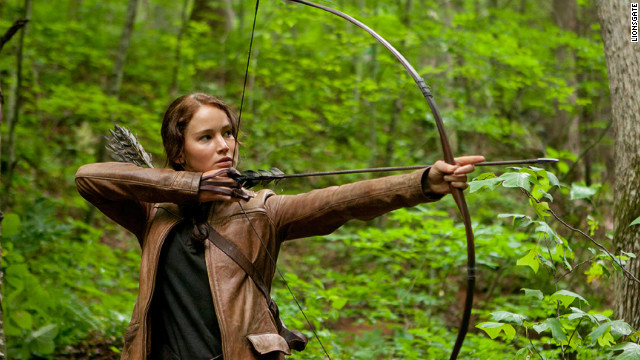
I tend to relate  mood to color and music–such as when a story is dark or bleak or a song can fill you with longing. Mood can change from scene to scene adding shades as the story progresses, often mirroring the viewpoint character’s situation or emotions.  I’m thinking of the colorless, pitiless landscape and grey ash of Cormac McCarthy’s The Road, the smothering parlors and forced gaiety tossed in with desperation in Jane Austen’s stories.  I recently saw The Hunger Games film and the mood was so grim and suspenseful that my neck was sore by the time I left the theater. And the  garish pinks and blues  and strange pastels worn by society created such a jarring note of unreality. Of course tension wasn’t only caused by  the mood, since the twists were many, the stakes were high, the situation insane, but the mood added to it all.

Theme and language are entwined as graceful dancers to create resonance. Always pay attention to the connotation of each word. A romance might use softer language while a noir story will have a grittier vocabulary.

Motifs, extended metaphors and symbols are all powerful techniques. In The Hunger Games, the natural world and green, twittering forests should be places of safety, but instead they’re teeming with danger and traps when the Game is underway. There are references to the mockingjay, plants, and herbs. In fact, one of the main characters is named Rue.  Rue’s death and burial are the turning point in the story. After this Katniss is not only trying to survive, but is facing a larger fight for freedom and humanity.  Since these devices are so potent, use them throughout for consistency and also save them for something crucial that you want to convey, preferably a high point in your story or the emotional life of your character. Rue’s burial when she’s covered with flowers is an example. Search always for words and images of rare coinage.

Give readers archetypes and themes that they relate to. Desire. Family. Sex. Betrayal. Heartache. Survival. Childbirth. Rivalry.  Redemption. Injustice. Children. Guilt. Death. War. Racism.  Bring the topics to life with intimate moments and changes in the characters as Mark Twain does when Huckleberry Finn and Jim escape on a raft and become true friends.

Along with themes, create a plot where the character must confront or face important emotional truths. In The Hunger Games, we find the main characters facing horrible realities about their world and the people in power and also what they’re willing to do to survive amid this madness and tyranny. In other words, inner change and recognition create emotional resonance. Resonance means the reader will ponder, remember, and miss your story and characters long after she turns the last page.

Look for updates on Summer in Words 2012 here.


M is for Motivation

Written By: Jessica Morrell - Apr• 06•12

So here’s what you do: take your memories and present them to the reader. Take your passions. You take as much guilt and as little total depravity as you can safely mix in. You read. You steal. You want desperately to be a writer. You volunteer to nail your soft parts to a tree. You soak up everything. You take notes. You retire to your garret or your study or your office and you tie yourself to the chair with the belt of your bathrobe. And you write. You slowly go crazy, but you write. You drink lye, if that is what it will take, and you remember the nights and caves in Granada. Because you desperately want to be a writer. You do. You write. You write. And you write.  ~ Bill Brashler, The Total Writer

 Like some of you, I don’t really like to sit down to write all the time. As a famous wag once said he enjoyed having written more than writing. In fact, some days I detest it.  I avoid it by eating, reading, emptying the dishwasher, answering e-mails, pulling dead leaves off my plants, chatting on the phone—in fact, my list of avoidance tactics is too long to enumerate here. However, like you, I also love to write and some of my most contented moments come while I’m writing. It’s a kick. It makes me feel alive and passionate. It forces me to analyze my ideas and improve my craft. It also makes me feel comforted and safe and like I’ve found a home within myself and also a home within this vast, spinning world. Like you, I also know that I’m called to writing. Because when I don’t write, my life is flat. When I don’t write, I feel nervous, empty and unfulfilled.

So the writer who hates to write and the writer who enjoys the process, lives within me, as I suspect he or she lives within most of you. I work at understanding where my strengths and weaknesses lie, and I suggest you start there too. In my first book Writing out the Storm I wrote that we begin writing by first knowing ourselves a little better. And I still believe in that advice.

It’s important to know what kind of writer you are, and then to find ways to capitalize on your strengths and override your weaknesses. For example, I’m an idea person. I’ve got ideas for at least five nonfiction books, a few screenplays and about a dozen essays bouncing around within me. My problems are managing my time, fleshing out ideas, completing and marketing them.  Some of you might struggle with WHAT to write. You don’t know if you should write nonfiction, essays or fiction, so you drift and your dreams fizzle. Some people struggle with structure–they cannot shape their vague ideas into a format, a plot line, a screenplay, or an essay; so they never try. Some writers get stuck because they don’t have faith in their basic skills such as grammar, style, and spelling. Some writers don’t know how to begin. They have an idea for a novel, but have no concept about how to flesh it out.

Start with where you are now

Start with your where you are now and if you have a lack to be overcome, make concrete plans to fill in the gaps. If you want to write fiction, but need more information about structure, then research every source you can find on the subject. After you’ve read the advice, taken notes, and analyzed your favorite novels, apply what you’ve learned, then practice the exercises here.  BEFORE you write your novel. A lot of us read books on technique, but we don’t practice or experiment based on what we learn. Your brain will not file, store and process new information without practice. It takes action–the muscles of the hand connecting with the idea to improve your voice, style or how you shape a story.

Face your fears

Next, face your fears. There is no such thing as writer’s block, but fear wears many disguises in order to keep us from writing. Some of us worry that we’re not REAL writers; we’re frauds and if we try, eventually we’ll be discovered. Some of us are afraid we’ll never get published, so why bother? Some of us fear that we don’t have enough to say. Some of us worry that our writing will offend our family. Some of us are afraid that we don’t have the discipline to accomplish our goals. I could go on and on with this tragic list, but that’s not my point here. I mention these fears because I’m sure that your particular monster is a big factor in why you’re not writing regularly. Stand up to your fears and understand that we all afraid of some aspect of this process.

But the first kind of fear that you need to acknowledge and then wrestle with, is anxiety. Most writers experience some form of anxiety when they sit down to write. For most of us, the first 15-30 minutes of writing are the worst− we’re nervous, restless and unfocused. This is a common occurrence and you’ve got to find a way to outsmart your anxiety. Set an alarm, or promise yourself a chocolate after you’ve written for half an hour. Play soothing or upbeat music. I begin a writing session by lightly editing the section I’ve worked on the previous day. I’m usually so engrossed with tweaking sentences, trimming flab from my paragraphs and searching for perfect verbs to replace wimpy ones, that I forget my anxiety. Before I know it, my twitchiness has diminished and I’m engrossed in the process. Another trick is to end each writing session at a place where you know what’s going to happen next so that it’s easy to slip into the flow when you begin again.

I believe that many beginning writers imagine that published writers succeed because they’ve somehow overcome their anxieties and fears. This is simply not true. Although the pros might still be plagued with nerves or writing-induced neurosis, they write anyway. Then, with knees quaking, he or she mails a manuscript off to a publisher. It means that even if the pro is still haunted, worried and stressed, these demons do not paralyze him or her.  They keep going despite these uncomfortable feelings. There is no big secret here.

Anxious writers are everywhere

There have been many successful, yet anxious writers: Raymond Carver, Joan Didion, Raymond Chandler, and Frederick Exeley, to name a few. But they used their fears to lend the writing intensity. James Cain said that if the writing doesn’t keep the writer up at night, it won’t keep the reader up either.

However, perhaps one aspect that experienced writers work at is not feeling vulnerable about their writing. When I was the writing coach at iVillage.com, not a day passed without a member posting at a message board or admitting during our live classes that she was afraid to post her work because she was terrified of criticism. I believe that some writers mistakenly assume that THEY, not their WORK are being evaluated. Your writing is the sum of your skills TODAY. Next month or next year your skills will likely be honed jewels, while now they’re more like clay or some other raw element.

The other thing I’ve noticed over the years, but was especially made aware of when working as an on-line writing coach, was that many writers mistakenly believe that praise and adoration makes us a better writer. Now I’m all for encouraging writers. BUT we learn best from writers who are more skilled than us, who will take the time to TACTFULLY make recommendations and point out our failures. We cannot fix our mistakes until we see them and for most of us, at least in the beginning stages of writing, this sometimes requires another person’s perceptions and discernment.

Years ago I wrote articles for a community newspaper where the editor was a friend of mine. She returned her edited drafts of my articles and those startling red marks, lines, arrows, deletions taught me more than many semesters of sitting in a journalism class. Of course I was alarmed, even horrified the first time I saw all that red ink. But her editing notes were amazingly enlightening and I’m still grateful to her. Now that I’m in the editor’s chair, I only hope that my marks and comments can be nearly as helpful.

Another fact that is inescapable is simply this: the nature of this business is that you send your words out into the world for others to scrutinize. If it’s published, the critics, your uncle, your ex-boyfriend, your sister who was always jealous of your successes and your high school English teacher might make judgments or possibly tear apart what you wrote. There are two issues here. One, they’ll judge the quality of the work. Two, they’ll judge the content and how it reflects on the person who wrote it. Readers might assume that if your character hates children or sex or cats or Brussels sprouts, that you do too.  Or if the father in the short story is vicious and violent, that your father must have been a horror also.

 Safety zones

Chances are that there are specific people who you are most afraid to show your work. When I was a kid, I made the mistake of showing my parents my writing, mostly poems. Their reactions were far from positive, so as an adult, I was still wary of my family’s reactions to my work. So, living two thousand miles from my hometown, I started sending my writing to them. At first it was an essay about Christmas that was broadcast on Public Radio, then an essay about the Green Bay Packers that had been published in a daily newspaper, in other words, safe subjects. I never asked them what they thought about my essays, but somehow the act of mailing them killed a phantom and put right a long-held hurt

I also discovered that while I am afraid of publishers, editors and other big bad wolves; that the person I’m most afraid of is myself. I’m never completely happy with what I write. It’s never good enough, even if I’m reading it in front of a sold-out room. I can spot every weak verb or tangled metaphor AS I read my words. I’m working to silence my inner critic every time I write and I want to suggest that you face that obnoxious force too.

I often laughingly describe my theories about writing to my students explaining that while the process of writing can be difficult; finishing and evaluating your efforts is harder yet. I’ve compared reading my finished manuscripts to giving birth to an ugly baby. So it is that likely YOU are your harshest critic, the one who labels your completed works ugly. You must face the fact that your writing will never be perfect; will never be as grand or polished as the story that lives in your head. Forgive yourself for being human; have compassion for yourself and your attempts; and keep going.

Write what must be written

So how do you stay motivated in this midst of this turmoil? The answers sound simple, but of course it’s fraught with dangers: Show your work to someone you trust in order to conquer your vulnerabilities. And no matter how vulnerable you feel, write about what calls to you—what MUST be written. If you want to write about a character who hates men or women or gays, do it. If you are called to write about secrets such as, incest, bulimia, addiction, or suicide, do it. The truth is that the most embarrassing, gruesome and hidden topics are often the most interesting. In workshops sometimes I notice that students write around the truth, taking their piece to a certain level, expose only a bit of themselves because they’re afraid what other students will think of them.  Half-formed or evasive writing is not the answer. Clarity, honesty and mining the depths of our emotions will bring reactions from readers and also earn self-respect.

So write with honesty, but not from a bitter or vengeful heart. Instead write with compassion and if possible, some distance.  And then rehearse answers so that when your readers or critics ask probing questions you can sound glib and assured.

Or write under a pseudonym.

All writers are vulnerable, since our words are always naked out in the world without us. But if your motives are pure—even if you’re writing to understand yourself and your past—and your approach is balanced, and your work is polished and original, some day, someone will buy your honest words. No matter what they cost you.