photo by Johannes Plenio
It’s a Saturday afternoon in the lovely Pacific Northwest. Despite medications {plural} my is head thick and eyes burning from allergies as the nearby, behemoth cottonwoods are blooming. Not to mention all the other trees around here. Then, too, my back is complaining from yesterday’s gardening bout that included digging and hoeing. So I’ve been puttering indoors and out handling tasks that don’t involve lifting. This means I’m writing a bit, editing some, planning my week, and trying not to succomb to dismay and jitters because it’s April.
Already.
And yes, I’m lamenting. Despite the lovely blossoming world surrounding me.
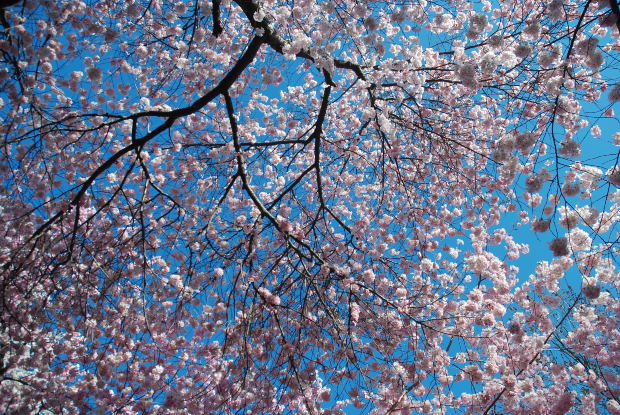
I wish you could see the many sumptious shades of green and smell the soft air around here.
While I’m basking in the greens and blooms, at times my heart clutches as a hard reality dawns. My writing habits fell apart lately. I won’t bore you with the details. but but this is a long-languishing project and worse, this is the book of my heart. I need to put in lots of hours to create the first substanial draft. As in hundreds. Come to think of it, make that thousands.
Some things in life are best not counted.
Because I’m a developmental editor–a profession that requires stamina, focus, and brainpower, I play a game of Should I? or Shouldn’t I? It asks shouldn’t I spend my most productive hours working on my clients’ manuscripts using my morning brain? Most of them have publishing deadlines which means I have deadlines too. Or, should I return to my long-time practice of writing by dawn’s early light? Ahem, as in first thing in the morning.
I miss writing take up a big part of my days and nights. And I love my work and the writers I work with.
In the coming weeks I’m going to experiment and alternate with some days writing early, some days fitting it in here and there. Sometimes writing away from home. Throw in a few short writing retreats, even if they’re a few hours from home.
And, of course, tending my garden, weeding a lot, and just keeping up with the small tasks that come with being human. Because it’s April. So I’m worried that the dahlia bulbs I left in a large raised bed to overwinter are now mush. A few I dug up looked like potatoes that have rotted. We’ve got a dry spell coming up if the weather report is somewhat accurate, so I’m not going to despair yet.
Surely I’m not the only one flabberghasted at time’s sometimes breakneck and cruel pace. It seems like I just stashed away the Christmas decorations. I’ll confess it was the first week of January.
What about you? Are your writing projects on track? Sputtering or flowing along? Or a little of both? How do you manage your schedule when the season changes such as when you want to spend more times outdoors?
How do you make your writing goals a priority? Would love to hear from you.
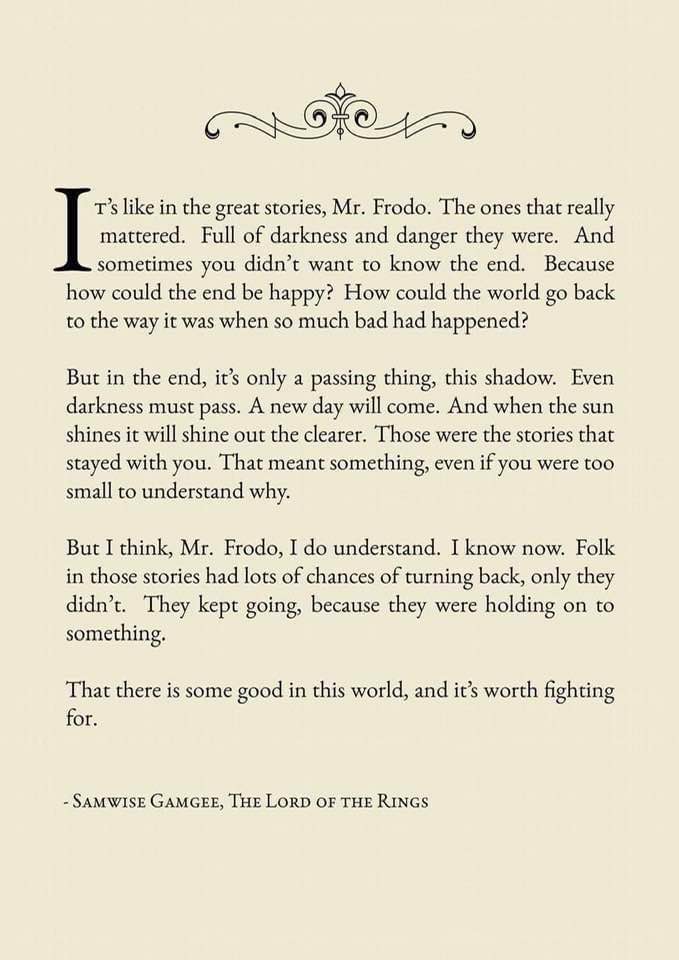
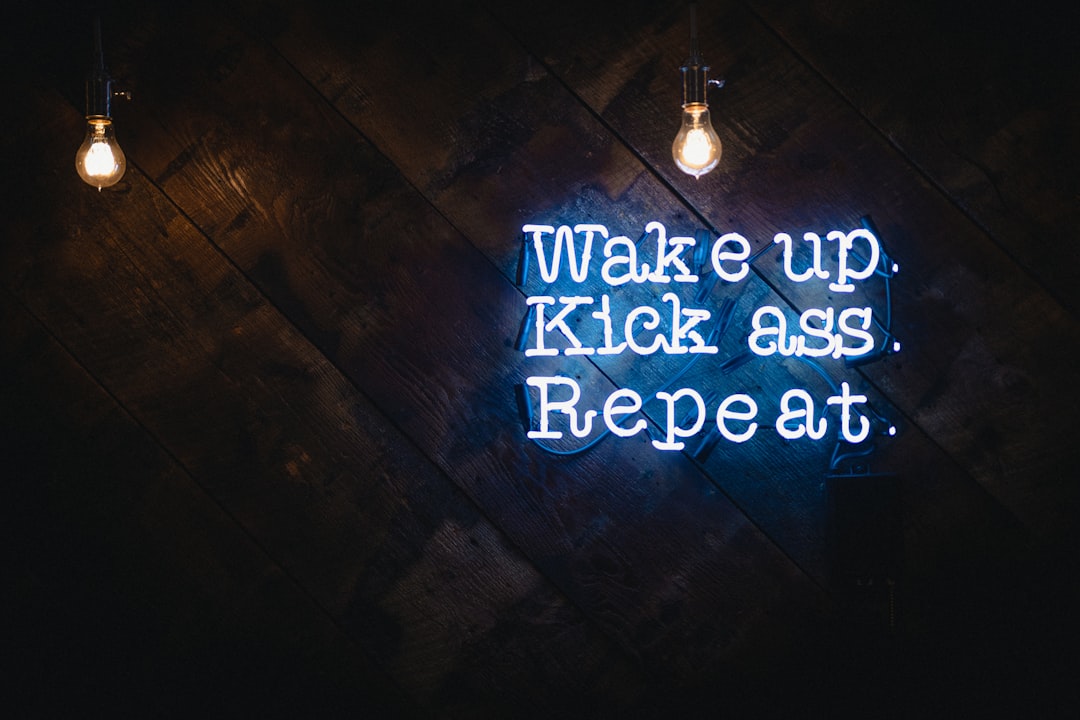
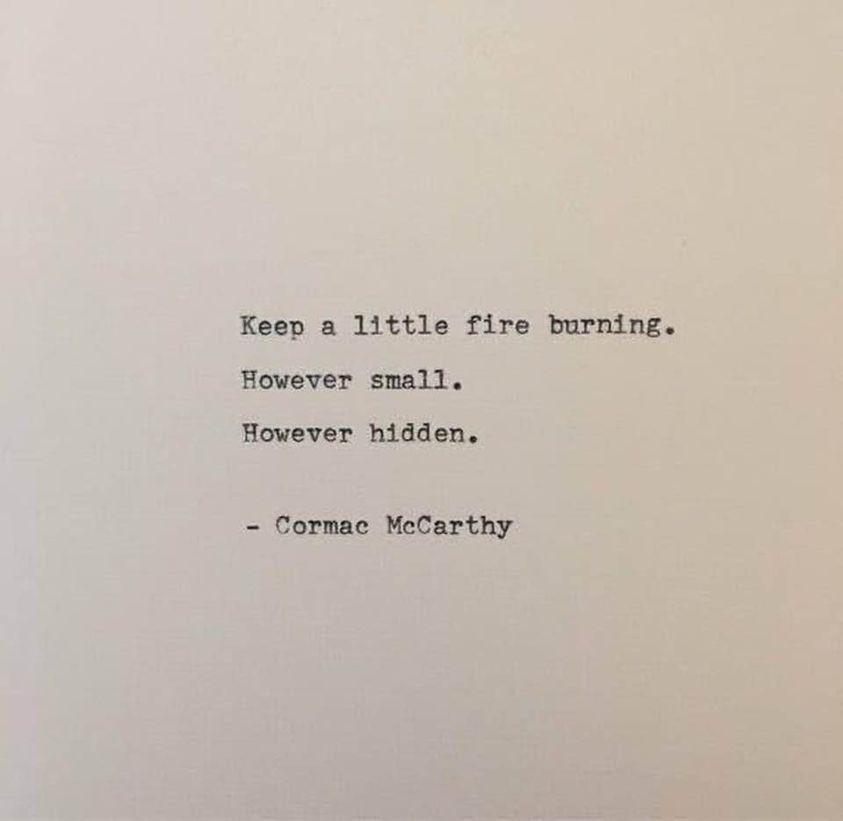
Time to stop kevtching and share my current mantra:
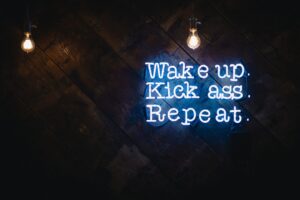
Photo by Justin Veenema
As always, keep writing, keep dreaming, have heart

 recommend because it captures a point in her career while she’s sought-after and succeeding with exciting new ventures. Whilst she has had a storied career, bejeweled with Emmy statues and accolades, who would have guessed she’d end up acting in and writing for the lastest Indiana Jones movie?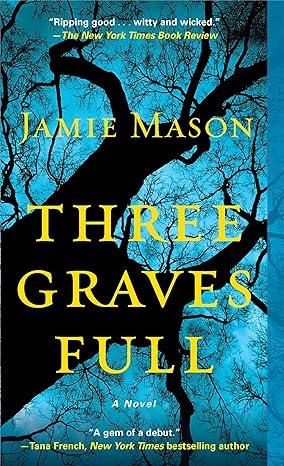
 Writing names the world, and the power of description should not be underestimated. Literature remembers its religious origins in some of those first stories. Stories of sky gods and sea gods not only became the source of an ocean of stories that flowed from them but also served as the foundations of the world into which they, the myths, were born. There would have been little blood sacrifice in Latin America or ancient Greece if it had not been for the gods. Iphigenia would have lived and Clytemnestra would have had no need to murder Agamemnon and the entire story of the House of Atreus would have been different. This would have been bad for the history of the theater, no doubt, but good in many ways for the family concerned. Writing invented the gods and was a game the gods themselves played, and the consequences of that writing, holy writ, are still working themselves out today, which just shows that the demonstrable fictionality of fiction does nothing to lessen its power, especially if you call it the truth. But writing broke away from the gods and in that rupture much of its power was lost. Prophecy is no longer the game, except for futurologists, but then futurology is fiction too. It can be defined as the art of being wrong about the future. For the rest of us, the proper study of mankind is man. We have no priests, we can appeal to no ultimate arbiter, though there are critics among us who would claim such a role for themselves.In spite of this, fiction does retain the occasional surprising ability to initiate social change. Here is the fugitive slave Eliza, running from Simon Legree. Here is Oliver Twist asking for more. Here is a boy wizard with a lightning scar on his forehead bringing books back into the lives of a generation that was forgetting how to read. Uncle Tom’s Cabin changed attitudes towards slavery, and Charles Dickens’s portraits of child poverty inspired legal reforms, and J. K. Rowling changed the culture of childhood, making millions of boys and girls look forward to 800-page novels, and probably popularizing vibrating toy broomsticks at boarding schools. On the opening night of Death of a Salesman, the head of Gimbels department store rushed from the theater vowing never to fire his own aging Willy Loman.