Why are we reading, if not in hope of beauty laid bare…
Written By: Jessica Morrell
-
May•
29•24
 “Why are we reading, if not in hope of beauty laid bare, life heightened and its deepest mystery probed? Why are we reading if not in hope that the writer will magnify and dramatize our days, will illuminate and inspire us with wisdom, courage, and the possibility of meaningfulness, and will press upon our minds the deepest mysteries, so that we may feel again their majesty and power? What do we ever know that is higher than that power which, from time to time, seizes our lives, and reveals us startlingly to ourselves as creatures set down here bewildered? Why does death so catch us by surprise, and why love? We still and always want waking. We should amass half dressed in long lines like tribesmen and shake gourds at each other, to wake up; instead we watch television and miss the show.”
– Annie Dillard
And if you want to read more musings from the great Annie Dillard go here.
Portland, OR area writers I’ll be speaking on June 4
Written By: Jessica Morrell
-
May•
29•24

We’ve got another cloudy morning here in the Pacific Northwest as spring winds down. I’m working on another manuscript with the deadline fast approaching–it’s the third in a thriller series and is appropriately twisty, fast-paced, and more than a little scary. As usual, I’m trying to turn up the thrill and tension.
And speaking of advice, I’m going to speak to the Portland-based Willamette Writers meeting on Tuesday, June 4th at Tabor Space located at 5441 SE Belmont. The meeting starts at 7 and my talk is called From an Editor’s Desk. Here’s the link.
I’m giving writers advice and explain techniques that I’ve used to help writers land agents, break into publishing, break out in publishing, and write best sellers. And I’ve got a lot to say on this topic and I’m genuinely excited to share techniques–some blessedly easy to emply–that I know work.
Also, Willamette Writers is one of the largest and most successful writers’ organizations in the country. Each August Willamette Writers holds a conference that’s jammed with extraordinary speakers, workshops, and opportunities to meet pubishing professionals. I’ve helped several members land agents and publishing contracts after working with them at the conference because it actually helps make writers’ dreams come true.
There’s still time to register early. Dates are July 31-August 4th.

Meantime, if you’re in the area please drop by Tabor Space on June 4th. Would love to see you–and chat.
Tribal: Part 2
Written By: Jessica Morrell
-
May•
09•24

We’ve got a changing weather pattern happening that’s destined to hang around after a bout of cold, unseasonal temperatures, waking to frost in May, snow accumulations in the mountains, and profound rainfalls drenching the valleys.
On Sunday I ventured out to a giant, outdoor plant and garden sale wearing a heavy sweatshirt and jeans, tbick socks, wool cap, winter jacket and boots. It was windy, and while the rain wasn’t heavy, at times it felt like ice pellets. And I became so thoroughly chilled as when I got home, grabbed a blanket and made hot tea, it took awhile to warm up.
But there are hundreds of shades of green here and I don’t mean dozens. Flowers blooming everywhere. And I bought five tomato plants and other beauties so planting them is on the agenda.

Photo credit: Simon Kuznetsov
Last week I was advising writers to affiliate with other writers for support, comraderie, and knowledge. On the surface this might seem like a simplistic or glib suggestion. But let’s delve deeper about this topic.
Years ago, I met a woman in Portland who once told me that it wasn’t until she was in her late thirties that she realized how vastly different her life might have been if only she’d had a mentor. It was spoken with regret, sadness, and a deep knowing about what she might have achieved. How she might have lived her most precious dreams. But there weren’t many female mentors around when we growing up. In my case it was teachers and librarians. In her forties, she went back to school and earned a master’s degree and changed professions. And eventually found mentors while pursuing her degree.
Writers need mentors. Guides. Trail blazers. Seers.
And there’s a tribe of thousands of authors still living and countless others who have passed on. Aren’t we incredibly fortunate?
Mentors can be found in books, of course. Because one of a writer’s main pursuit is to read widely. {If you don’t you’re in the wrong field, by the way.} Our eyes dance along word after word. Our powerful brains render stories as if playing on a magical movie screen streaming within. We drink in the exotic smells of a Marrakesh bazaar or muck around a Midwestern farm, follow a character transforming from victim to survivor, or a nerd becomes a warrior.
But writers need to look around at the wider world, and deeply analyze our favorite stories along with the habits of the people who wrote them. And then study the legacies of writers outside your genre: colunistis and opinion writers, podcasters, graphic novelists, science writers, and those who create how-to books. We need to gaze far afield, beyond our doubts, our latest not-so great chapter, and coping with a not-enough-alone-time schedule. We need to seek out big-hearted souls who will suggest strategies for getting words on the page, for crafting intricate plots, and then for getting our words out into the world. We need to meet writers who can throw an arm around our weary shoulders. We need to stay engaged.
Some mentors we’ll find in books, some we’ll meet, some we’ll hire to help us along. But don’t ever forget: this is not a go-it-alone profession.
Like most writers I read a lot as a kid. If I didn’t have a current book I’d reread a classic or tackle a volume of our Collier’s Encyclopedia. I was also drawn to biographies. From my vantage our small northern town didn’t hold a lot of inspiring types so I sought out exemplars from the pages of books.
As I reached adulthood I started studying authors whose works would shine a light on my hidden dreams: F Scott Fitzgerald, Truman Capote, Eudora Welty, John Steinbeck, Shirley Jackson. Not all were role models, but their stories could be deciphered, their techniques dissected. In my twenties the list grew: Maxine Hong Kingston, Zora Neal Hurston, MFK Fischer, Marge Piercy, William Styron, and others. I read Michner’s sprawling tomes for their scope and narratives. And wanted to know how he gathered the research materials for his books, and then wove them into a tale.
While I’m typing here it’s midmorning and I’ve gone outside to water windows boxes and hanging planters and the birds’ morning chatter and songs have died down some. Filling the watering can I realized that I’ll never be able to recall or list all the authors, novels, and nonfiction books that left their mark on me. But I’ve never forgotten the Joad family in Grapes of Wrath or that final intimate scene that gives hope. Or how Holden Caufield felt like a brother from another mother. Then there was the shocking ending of Shirley Jackson’s “The Lottery.” Or the heartbreak in Tillie Olsen’s “As I Stand Here Ironing.” These stories changed me and never left my cellular memory. But there are so many more.
 In my thirties I was figuring out the suspense genre, realizing that Sue Grafton had created a singularly quirky protagonist in Kinsey Milhone, with a both vulnerable and hardened view of life. An inner aloneness that seemed impenetrable. I read every Robert Parker Spenser book and appreciated the enterwining of his lady love and sidekick Hawk into the storyline. Learned from Grafton and Parker that voice can be intimate, and how a POV character’s self deprecation and snark went a long way in creating a series.
After my first book Writing Out the Storm was published I was invited to be the Writing Expert at iVillage.com and it was an outstounding education and ultimately taught me to become an editor. I worked with hundreds of writers, taught online classes, and interviewed authors, who enlightened us all. A friend just gave me Lisa Scottoline’s What Happened to the Bennetts and I recall my interview with her at iVillage. She described how she bet everything on becoming a suspense author and had maxed out her credit cards just as she landed her first publishing deal.
Chatting with Dennis Lehane confirmed my thinking on how central themes can weave through a story since his book Mystic River was based on the theme loyalty. In fact, several plot points hinge on loyalty and the story everberates with this underlying thread. Natalie Goldberg and I talked about shaping a life around a writing practice.
I also received invitations to speak or teach at conferences and started meeting more mentors. Jane Friedman, publishing guru, formerly the publisher at Writer’s Digest Books, comes to mind. She sat in on a workshop I taught at a writing conference and afterward approached me to write Between the Lines.
A few years later I was at dinner with Friedman and other authors teaching at a conference in Pennsylavania. And a well-known suspense author predicted Friedman was going far, had just begun what would become an amazing career–even though she was already a publisher in her thirties. Because she’s brilliant. Friedman is now a leading go-to expert about the publishing business. The biggest lesson I’ve learned from her is to keep up with changing times, because the pubishing industry has evolved into something almost unrecognizable. Because who could have predicted downloading a book in mere seconds and reading it on a device?
Hanging with other authors was elucidating, but then life provides so many moments and experiences to surprise and teach us, doesn’t it? This meant dinner conversations, green room chats, and listening to keynote addresses. These connections led to more opportunities such as when I interviewed authors like Diana Gabaldon of Outlander fame–this was after I’d started emulating her fashion sense. Because Diana is as lovely and magical as her fictional protagonist Claire Fraser. I gathered my own collection of flowy skirts and silky shawls and I wanted to sort of float across rooms like she did, minus her long black hair.
Before I met Diana, I met her fans, the Ladies of Lallybroch, dressed in homespun dresses and shawls –they too wanted Diana’s touch in their lives. If you haven’t read any of the Outlander books, it’s hard to describe this deeply imagined, intricate world with a sizzling and romance at the center between Claire and Jamie Fraser.
Gabaldon is witty, highly educated, is in a long-term marriage, has 3 adult children, and lives in Arizona. When I interviewed her she took me inside her research techniques since her series starts in the 1700s in Scotland and ends up in a North Carolina homestead. She described her writing method that began when her children were small and described how she followied a snippet or small detail, and then built scenes from these instinctual threads. Something that struck me was how she structured her days, how she walked five miles every day, and went to bed early after spending time with her husband, then got up a few hours later and wrote in the stillness of nightime. Then she’d go back to sleep and write again in the morning. I’ve never forgotten our conversation.
 Then I started creating my own conferences and inviting fabulous authors/mentors to teach at them–which is another chapter. I’m frankly rich in mentors and hope you are too.
Keep writing, keep dreaming, have heart, and look for mentors
Addendum: Speaking of celebrity book clubs, I just read this piece on Reese Witherspoon’s book club and how she chooses her selections. The writer is Elisabeth Egan and it’s titled Insider Reese Witherspoon’s Literary Empire; When her career hit a wall, the Oscar-winning actor built a ladder made of books–for herself and for others. Notice how the memory of her grandmother’s influence bookends the piece–it adds a lot, doesn’t it?
I’m hoping this New York Times link is going to work for you. I’m adding the link as a ‘gift’ since I’m a subscriber.
Tribal: Advice for Writers
Written By: Jessica Morrell
-
May•
01•24
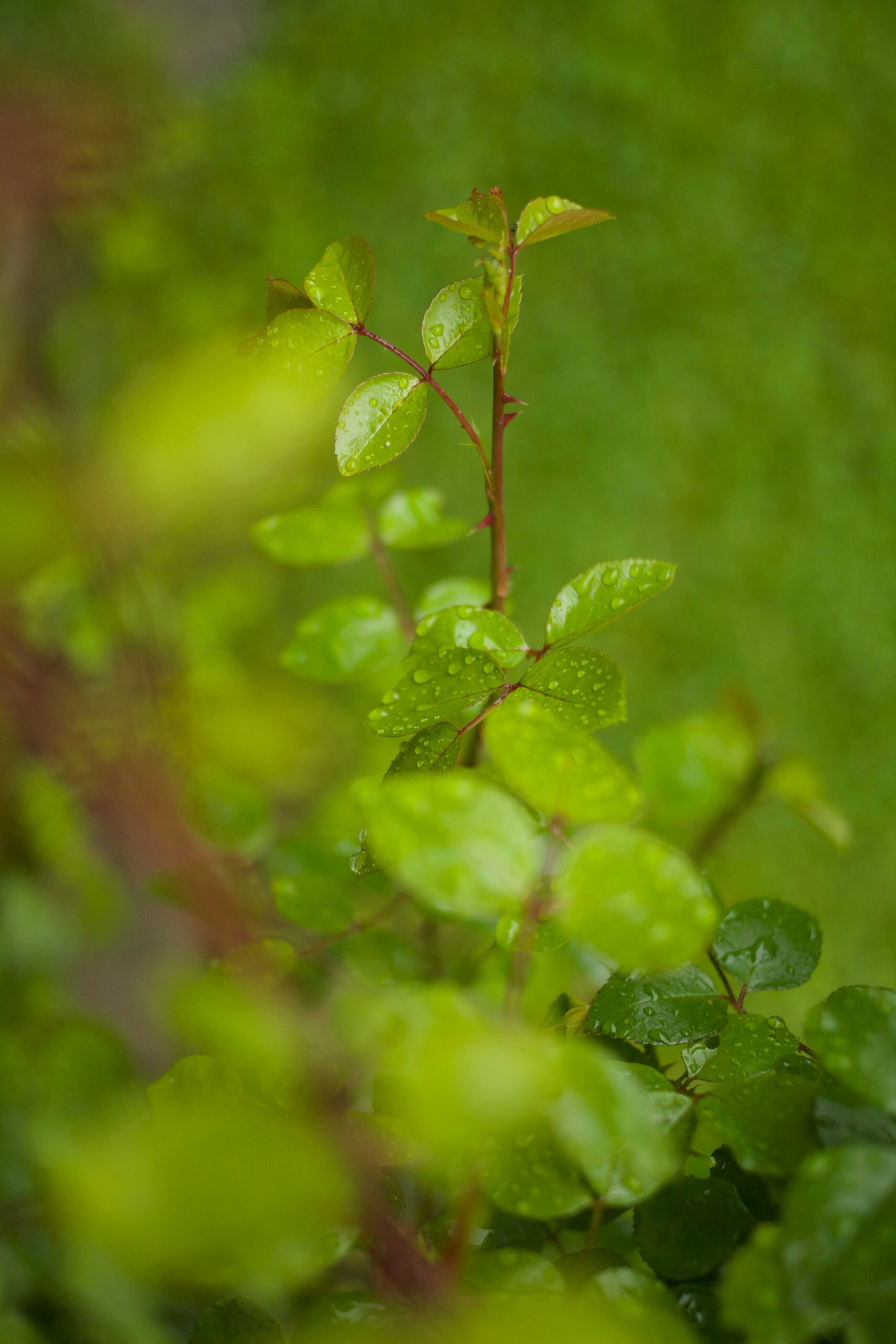
photo by Petra Machanova
It’s a chalky-sky morning here in the Pacific Northwest. It started raining last Thursday and there have been deluges and downpours and drizzles. This is a pause before more rain returns tonight. I’m still practically swooning in gratitude. Because rain washes away pollen.
Let me set the table here: Over the years I’ve become allergic to trees. And I live in Oregon, not exactly a barren landscape. This means spring with all it’s budding glories brings on a multitude of miseries and symptoms. When pollen levels spike I’m also susceptible to migraines. Then, I was also exposed to a lot of mold–another migraine-inducing allergy.
This meant I’ve had migraines on and off for more than a month as I sipped ginger tea, made regular doctor calls on myself, and sometimes hid in a darkened room-slash-pillow fort. Listening to podcasts. If I notice the incoming signs as soon as they strike–I’m a bit prone to denial– I can fend off the worst symptoms. But I’m happy to report, the worst is behind me, I’ve got rose bushes about to bloom, and I’m working away on complicated manuscripts written by talented authors. And slipping in work on my own book.
Now to slip in more. Because I’m falling behind and lately I’ve also been hearing from distressed writers in the same boat. And if it were an actual boat icy, frightening water would be surging in faster than we can bail it out with a six-ounce cup. Or something along those lines…
Yesterday I was in a cafe writing with a friend. We met last week and I bailed because a migraine had been worming its way into my head as I drove into Portland. Talk about cognitively deficient. This writer friend–let’s call her E–is mostly retired and had several careers, her latest one involving the criminal justice system. Without giving away too much, her schedule didn’t allow her much time, brain space, or freedom to write. But she has kept at it over the years.
We sat a smallish table that had annoyingly wobbly legs and nearby tables had the same affliction. Enticing and homey-chocolaty smells were emanating from the kitchen, the rain was lobbing down, and the delightful lime-cream-pink-pine colors of spring were waving amid the storm. Dogwoods and magnolias being the biggest show-offs.
Lately I’ve been thinking about general advice I’d give to writers these days when the world is so, so complicated. Especially to writers who believe they’re not producing enough. Yesterday I asked E for her best advice to writers, and her reply was simply “write.” She added, “and don’t stop to edit as you go along or I’d be rewriting the same paragraph I wrote ten years ago.” Not bad.
Tribal
I added, “and hang with your tribe.” And wasn’t expecting these words to come out of my mouth, though I’ve written about this topic before. I mentioned writers should naturally hang out in person and cheer each other on. E knows this from a longtime writer’s group she’s particiapted in and from the groups I’ve worked with. One big benefit is other writers will have a stake in what you’re creating.
The next step is to get to know authors we enjoy reading. Especially authors we want to emulate.
We used to be in a book group together that met monthly and often I’d tell the group about the author’s background. How James McBride grew up in a housing project similar to the one he wrote about in Deacon King Kong so we could trust the authenticity of his story world. I’ve been researching author’s lives since I was a kid because a. I’m always curious about the lives of good writers. b. I research constantly. As in not a day goes by. c. Their backstories often hold the key to why they write what they write. d. This information adds to my reading pleasure.
Mostly writers should study successful authors because we can always glean techniques, habits, and insights that just might make a difference in your own practice. Maybe his or her quirky way of seeing the world is in sync with yours and you start noticing how the author slips those preceptions onto the page. Or you could simply find enormous comfort that writers are as quirky as you. Or also have ADHD. Or find writing maddeningly difficult. Maybe you can learn a few tricks like writing in one font and then switching to another when editing. {That’s one of my tricks–works great.} Or how historical writers track down primarysources as they research. Why authors collect old maps. Or read their story outloud. Or create a wall-size storyboard.
Because adopting even small habits can change your life. Have you recognized this too? And realized we need to keep tweaking our habits at different life stages? I used to get up at about five to write. But this schedule worked better when I was younger. As were my body parts. You’re likely also adjusting your writing schedule and outlook over the years.
 You can find jewels when you read interviews, Instagram posts, blogs and their how-to articles. You can study your favorite novelist’s opening lines. Do they suggest the dramatic question at the heart of the story? If you live near major bookstores or art series, get out and attend book signings and ask authors questions you’ve been longing to get clarified. You can attend conferences and listen to the keynote speakers and attend workshops and lectures.
Published writers are generous.
These days you can also join readers via national and international book groups or book clubs. Oprah Winfrey started this trend and her book club continues today. Turns out a number of celebrities now have their own book clubs including Reese Witherspoon and Jenna Bush Hagar. Here’s a list of current celebrity book titles. Naturally there are scores of online book groups and reviews. The advantage to writers joining these groups or reading reviews is that you can learn how readers respond to characters and dramatic events.
I just read Winfrey’s latest title Long Island by Colm Toibin before she chose it because it was on my most-anticpated book list of 2024. I cannot stop thinking about the characters and Toibin’s choices and am waiting to talk about it with others. {Write me if you have.} In this sequel we rejoin Eilis Lacey the protagonist of Brooklyn, published in 2009.
Eilis is now married to Tony Fiorelli and the mother of two living on Long Island surrounded by the bosterous and closeknit Fiorelli family. Long Island has one of the best inciting incidents I’ve ever read, embedded with moral delimmas and igniting fierce conflicts and heartaches. It will encourage you to risk planting a bombshell on the first page. And Eilis is a truly enigmatic protagonist so as you read along you’re trying to decipher her every thought or clue. You might want to read it to dissect the subtext.
Might I also suggest the film verion of Brooklyn? It’s stunning and Saoirse Ronan is spectacular depicting Eilis. I watched it after I read Long Island and am now planning to reread the novel. If there was ever a novelist who deserves to be studied, it’s Toibin.
Which brings me to Emily Henry and her latest book, Funny Story that I finished reading also. It’s the May selection for the Barnes and Noble Book Club. I’m relatively new to reading women’s fiction, but find it especially helpful for the times I need to leave town but I cannot escape. Or when I’ve been working a lot and my client’s plots present tricky puzzles to solve. Henry is one of the strongest writers in this field. Her books are called romance-adjacent, but I don’t care how they’re categorized. Or that the book covers are weirdly girly and garish and neonish. Come to think of it, I actually do mind that this cover art trend continues as if we’re reliving the 1960s.
Mostly I read them because they’re fun and feature some of the best dialogue being written today.
When I read Henry’s books, besides sometimes laughing out loud, I’m pulled immediately into the worlds she’s created, the layers she’s developed. The emotional truths that are explored. How backstories are meted out. I appreciate when I can simply read for fun and dial down my editor’s brain for awhile because I trust her and her editors.
Funny Story also starts off with a bang, although the inciting incident has already happened and the two main characters are adrift and dazed in painful aftermath. Here are the opening lines: Some people are natural storytellers. They know how to set the scene, find the right angle, when to pause for dramatic effect or breeze past inconveinient details.
I wouldn’t have become a librarian if I didn’t love stories, but I’ve never been great a telling my own.
So there’s a tease going on here, but it’s actually opening doors and readers soon learn the circumstances and how Daphne and Miles have just become roomates and couldn’t be more unalike.
After I finished the story, appreciated the epilogue, and read her acknowledgments–don’t you?–I flipped to the back inside cover with her photo and bio. And realized I’d never studied her photo before. She looks like she came straight from the pages of her books–attractive and hip and fun. Her bio is growing because she’s written bestsellers, as in over 4 million copies sold since she switched to writing women’s fiction in 2020, and three of her five books are being turned into movies. Obvioulsy impressive.
Penguin Pubishing is calling Funny Story “a shimmering, joyful new novel about opposites with the wrong thing in common.” All true. In Henry’s stories the romance is the vehicle–as it should be–to force the main characters –excuse me for being a bit crude–to face their own crap. Which in turn creates a character arc.
I believe facing our own shortcomings and demons is how our dreams become real. So, best to read about fictional people floundering and eventually righting themselves. Fiction doesn’t need to provide life’s roadmaps, but there’s nothing like allowing our worries to fade. At least until the last page and the needed catharsis arrives.
Which is where the shimmering and joyful comes in. I’m all for chuckling and enjoying banter while characters flounder and cope with heartbreak. And Henry’s books make me want to whip out zingers, one-liners, and generally up my wittiness. Because things can get stale. Bccause when I’m writing a you-need-to-fix-this memo to a client or trying to hire a contractor or getting needled by an acupuncturist, or worrying about people I care about, shimmering ain’t happening. I know you know this.
Now let’s trek back to our tribal needs, shall we? Henry lives in a suburb in Ohio–she likes a practical lifestyle and is married to a nice man. According to her, nice men are devilshly difficult to depict in fiction. She’s so right about that one.

Here’s an article in Writer’s Digest about her writing process with some helpful advice in her last comments. You might want to check out this article too, about a typical writing day.
Writers like Henry have valuable lessons for writers. As I’ve mentioned the story feels real. Not an easy accomplishment. Characters are intricately developed. The chemistry between her characters always, always works. The crucible is rock solid. The pacing is propulsive. She uses painful and realistic backstories that interfere with the protagonist’s and antagonist’s ability to cope with the main conflict. She includes a fun group of cohorts and lessons in belonging. And the pain of feeling like an outsider. You’ll meet men you wish you’d met in your twenties. And secrets unraveling as the story goes along.
Keep writing, keep dreaming, have heart

April already?
Written By: Jessica Morrell
-
Apr•
13•24

photo by Johannes Plenio
It’s a Saturday afternoon in the lovely Pacific Northwest. Despite medications {plural} my is head thick and eyes burning from allergies as the nearby, behemoth cottonwoods are blooming. Not to mention all the other trees around here. Then, too, my back is complaining from yesterday’s gardening bout that included digging and hoeing. So I’ve been puttering indoors and out handling tasks that don’t involve lifting. This means I’m writing a bit, editing some, planning my week, and trying not to succomb to dismay and jitters because it’s April.
Already.
And yes, I’m lamenting. Despite the lovely blossoming world surrounding me.
I wish you could see the many sumptious shades of green and smell the soft air around here.
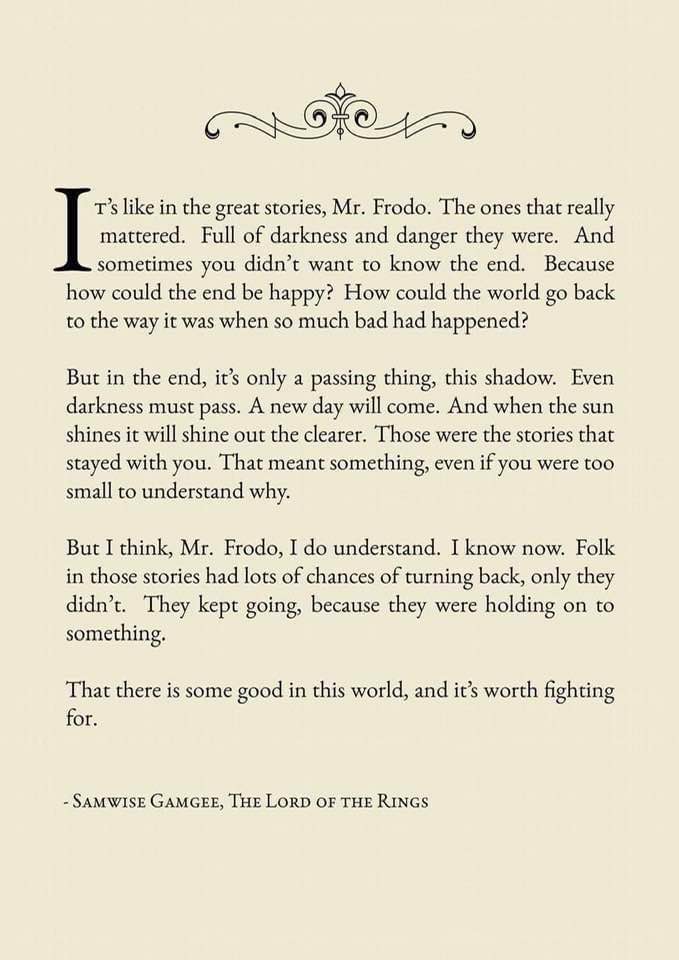
While I’m basking in the greens and blooms, at times my heart clutches as a hard reality dawns. My writing habits fell apart lately. I won’t bore you with the details. but but this is a long-languishing project and worse, this is the book of my heart. I need to put in lots of hours to create the first substanial draft. As in hundreds. Come to think of it, make that thousands.
Some things in life are best not counted.
Because I’m a developmental editor–a profession that requires stamina, focus, and brainpower, I play a game of Should I? or Shouldn’t I? It asks shouldn’t I spend my most productive hours working on my clients’ manuscripts using my morning brain? Most of them have publishing deadlines which means I have deadlines too. Or, should I return to my long-time practice of writing by dawn’s early light? Ahem, as in first thing in the morning.
I miss writing take up a big part of my days and nights. And I love my work and the writers I work with.
In the coming weeks I’m going to experiment and alternate with some days writing early, some days fitting it in here and there. Sometimes writing away from home. Throw in a few short writing retreats, even if they’re a few hours from home.
And, of course, tending my garden, weeding a lot, and just keeping up with the small tasks that come with being human. Because it’s April. So I’m worried that the dahlia bulbs I left in a large raised bed to overwinter are now mush. A few I dug up looked like potatoes that have rotted. We’ve got a dry spell coming up if the weather report is somewhat accurate, so I’m not going to despair yet.
Surely I’m not the only one flabberghasted at time’s sometimes breakneck and cruel pace. It seems like I just stashed away the Christmas decorations. I’ll confess it was the first week of January.
What about you? Are your writing projects on track? Sputtering or flowing along? Or a little of both? How do you manage your schedule when the season changes such as when you want to spend more times outdoors?
How do you make your writing goals a priority? Would love to hear from you.
Time to stop kevtching and share my current mantra:
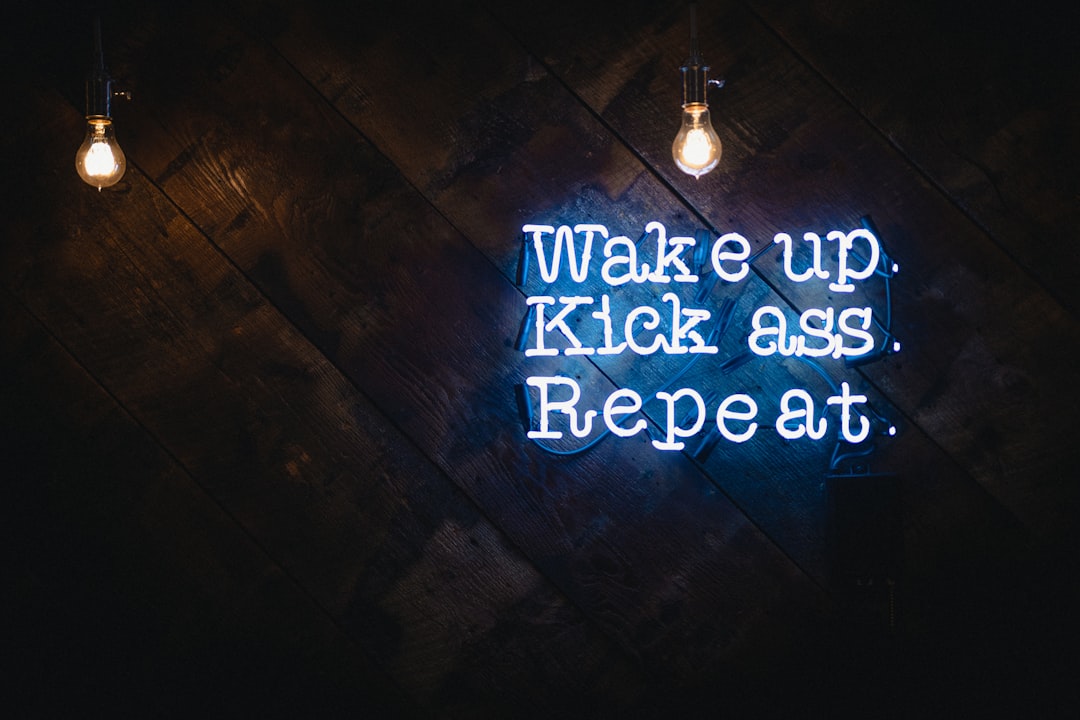
Photo by Justin Veenema
As always, keep writing, keep dreaming, have heart
Pay Attention
Written By: Jessica Morrell
-
Apr•
03•24
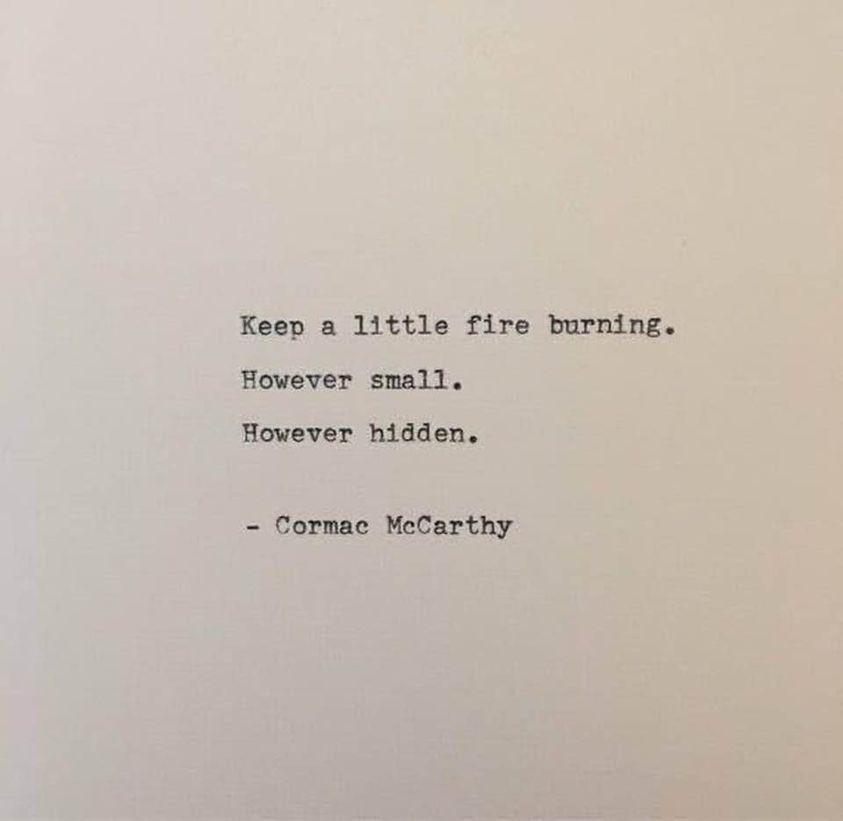
Do stuff, be clenched, curious. Not waiting for inspiration’s shove or society’s kiss on your forehead. Pay attention. It’s all about paying attention, attention is vitality. It connects you with others. It makes you eager. Stay eager. ~ Susan Sontag, Vassar College commencement address