April already?
Written By: Jessica Morrell
-
Apr•
13•24

photo by Johannes Plenio
It’s a Saturday afternoon in the lovely Pacific Northwest. Despite medications {plural} my is head thick and eyes burning from allergies as the nearby, behemoth cottonwoods are blooming. Not to mention all the other trees around here. Then, too, my back is complaining from yesterday’s gardening bout that included digging and hoeing. So I’ve been puttering indoors and out handling tasks that don’t involve lifting. This means I’m writing a bit, editing some, planning my week, and trying not to succomb to dismay and jitters because it’s April.
Already.
And yes, I’m lamenting. Despite the lovely blossoming world surrounding me.
I wish you could see the many sumptious shades of green and smell the soft air around here.
While I’m basking in the greens and blooms, at times my heart clutches as a hard reality dawns. My writing habits fell apart lately. I won’t bore you with the details. but but this is a long-languishing project and worse, this is the book of my heart. I need to put in lots of hours to create the first substanial draft. As in hundreds. Come to think of it, make that thousands.
Some things in life are best not counted.
Because I’m a developmental editor–a profession that requires stamina, focus, and brainpower, I play a game of Should I? or Shouldn’t I? It asks shouldn’t I spend my most productive hours working on my clients’ manuscripts using my morning brain? Most of them have publishing deadlines which means I have deadlines too. Or, should I return to my long-time practice of writing by dawn’s early light? Ahem, as in first thing in the morning.
I miss writing take up a big part of my days and nights. And I love my work and the writers I work with.
In the coming weeks I’m going to experiment and alternate with some days writing early, some days fitting it in here and there. Sometimes writing away from home. Throw in a few short writing retreats, even if they’re a few hours from home.
And, of course, tending my garden, weeding a lot, and just keeping up with the small tasks that come with being human. Because it’s April. So I’m worried that the dahlia bulbs I left in a large raised bed to overwinter are now mush. A few I dug up looked like potatoes that have rotted. We’ve got a dry spell coming up if the weather report is somewhat accurate, so I’m not going to despair yet.
Surely I’m not the only one flabberghasted at time’s sometimes breakneck and cruel pace. It seems like I just stashed away the Christmas decorations. I’ll confess it was the first week of January.
What about you? Are your writing projects on track? Sputtering or flowing along? Or a little of both? How do you manage your schedule when the season changes such as when you want to spend more times outdoors?
How do you make your writing goals a priority? Would love to hear from you.
Time to stop kevtching and share my current mantra:
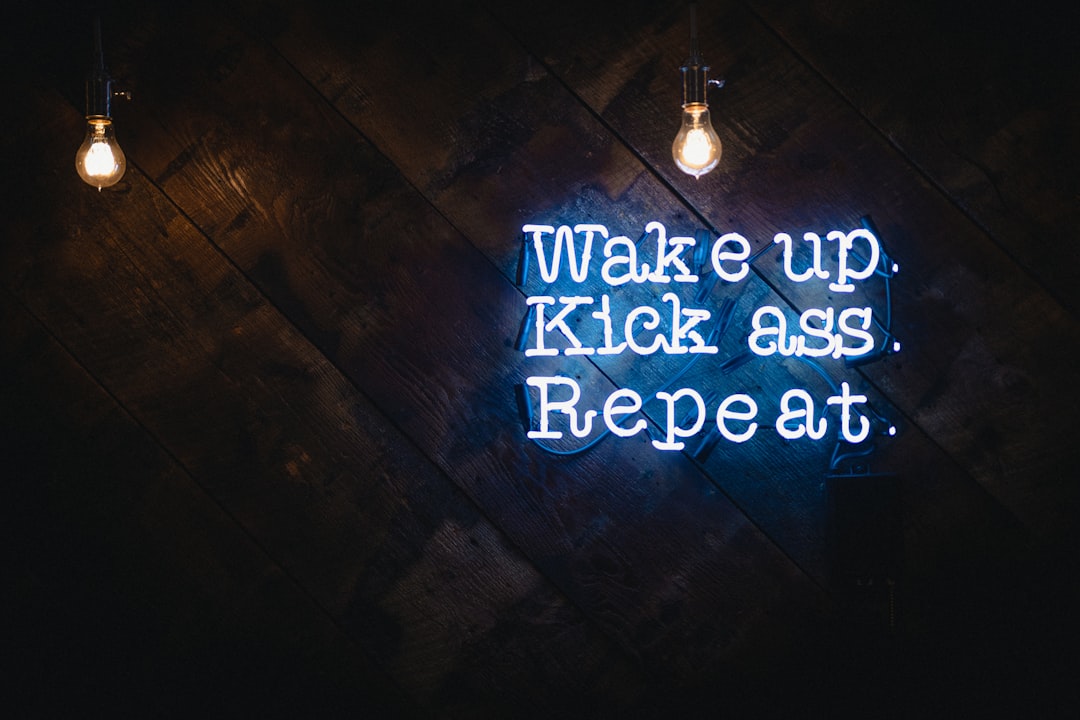
Photo by Justin Veenema
As always, keep writing, keep dreaming, have heart
Pay Attention
Written By: Jessica Morrell
-
Apr•
03•24
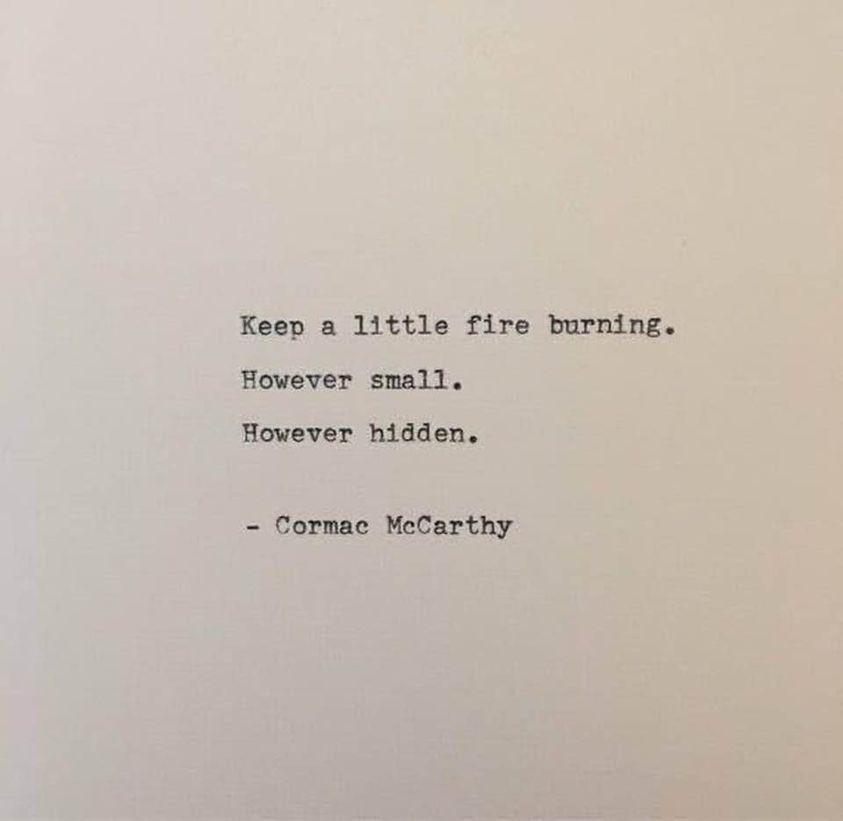
Do stuff, be clenched, curious. Not waiting for inspiration’s shove or society’s kiss on your forehead. Pay attention. It’s all about paying attention, attention is vitality. It connects you with others. It makes you eager. Stay eager. ~ Susan Sontag, Vassar College commencement address

Really good novels don’t have everything on the page
Written By: Jessica Morrell
-
Mar•
22•24
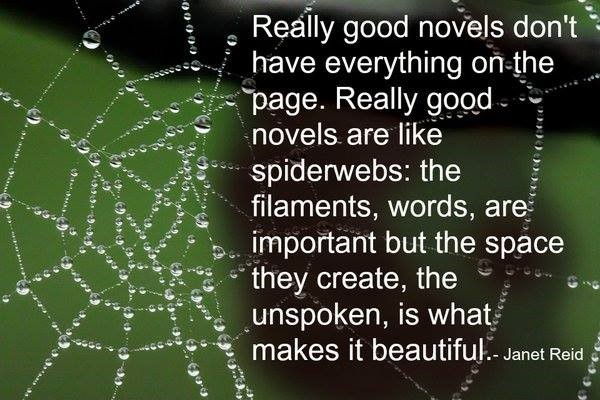
Sometimes what you leave out is as important as what you include.
From the archives:
One trick to keep writing tight and vivid is to avoid expositional dialogue. Find advice for achieving this in my archives. (I’ve written a lot here.)
Along those lines, here’s a piece I wrote on Subtlety.
And here’s advice about using characters’ eyes and expressions to add meaning and emotion without shouting at your readers. Luckily, it’s relatively easy, especially when you pay attention to expressions while you’re consuming dramas and wandering through your days. When you’re reading good fiction, I hope you’re keeping a notebook nearby to jot down bits you’d like to emulate. I regularly jot down facial expressions, emotional reactions to dialogue and events, gestures, body language, potent language, and figurative language.
Keep writing, keep dreaming, have heart
Who Inspires You?
Written By: Jessica Morrell
-
Mar•
04•24
Last July The New York Times David Marchese featured a delicious interview with the multi-talented, British creative Phoebe Waller-Bridge that I recommend because it captures a point in her career while she’s sought-after and succeeding with exciting new ventures. Whilst she has had a storied career, bejeweled with Emmy statues and accolades, who would have guessed she’d end up acting in and writing for the lastest Indiana Jones movie?
Not this fan. I’ve loved her since her series Fleabag aired which she wrote and starred in. According to Marchese Fleabag was “ribald, form-breaking, swoon-inducing show she created and starred in.”
Fleabag also won 6 Emmys and was nominated for 11 in its second season. It’s about grief and how to handle life when things really fall apart. It’s hilarious.
I’ve been writing more lately and realizing I want to be inspired by risk-taking artistic projects, especially of the storytelling kind. And their creators. So I’m going to rewatch the series because it fits the bill and it was orginally based on a one-woman show she performed at the Edinburgh Fringe Festival. Next 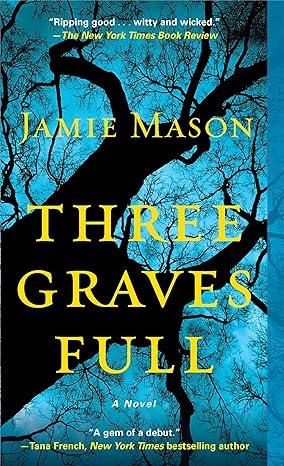 weekend I’m attending a local play, Eleanor where one actress is going to play multiple parts. And I’m wildly curious about the screenplay and how actress Margie Boule is going to pull it off. As in at least one of the parts she’s playing is male. The play depicts the life and passions of Eleanor Roosevelt, someone who has always inspired me.
Lately, I’ve been reading more than one book at a time, and am so enjoying singer-songwriter Mary Gauthier’s memoir, Saved by a Song. The subtitle is: The Art and Healing Power of Songwriting and I’m learning a lot about the slow and painstaking process.
I’ve also become a a fangirl of suspense writer Jamie Mason. Her debut mystery Three Bags Full had me up reading in the middle of the night while hooting and chortling. It’s so full of twists and oddballs and wordsmithery and I cannot recommend it enough. You might want to study the magic she creates with figurative language. Her second novel, Monday’s Lie is much different and also wildly fresh. Interestingly, there’s a dead character in the story and it’s simply fabulous how much we come to know her. And how she looms over the story.
And more often these days my house is filled with music, including Mary Gauthier’s Rifles and Rosary Beads, in which she features combat vets. Mostly, I’m just paying closer attention to who and what feeds me; a theme for this year.
In the Times interview Waller-Bridge reveals how the creative projects she’s been involved with include the ‘rascals’ she admires. Because she so enjoys the complexity and handiwork of anti-heroes, don’t-fit-the-mold types. As do I. After Fleabag came the oh-so naughty, bizarre, and edgy spy-thriller Killing Eve which she wrote and directed. Not too many TV series around that feature female assassins. Lately, besides her role in Indiana Jones and the Dial of Destiny, she contributed to the screenplay for the latest James Bond film, No Time to Die and is occupied with a video game based on Tomb Raider. And I loved the place in the interview where she said, and that writer is with me everywhere I go.
So, my questions to writers out there: who inspires you?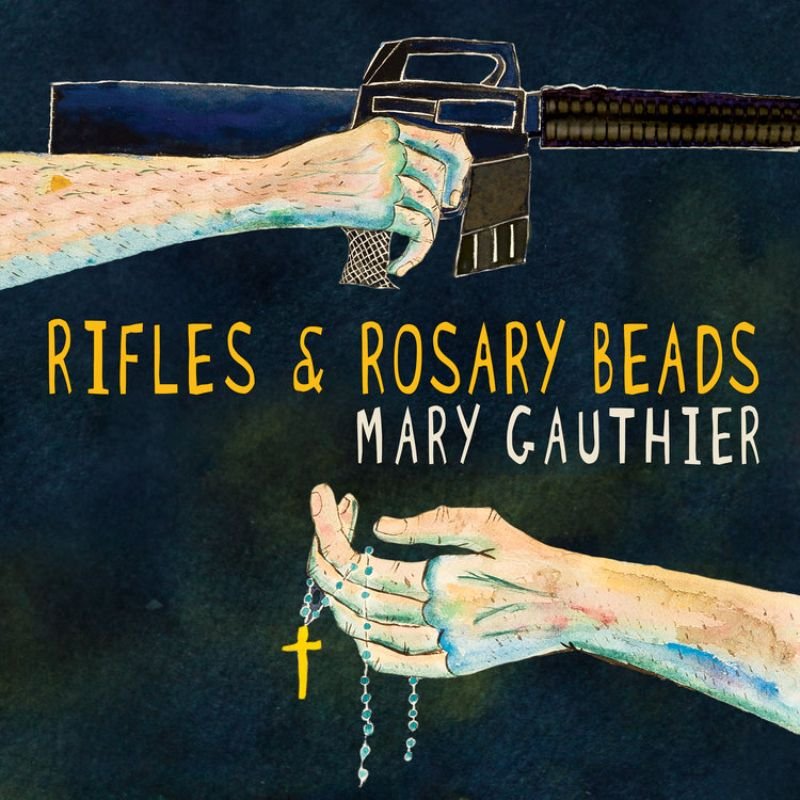
Keep writing, keep dreaming and may the writer within you go everywhere with you.
Oh, and I recently came upon this advice that I want to pass along: Sit with the warrriors. The conversation is more interesting.
Writing Prompt
Written By: Jessica Morrell
-
Feb•
25•24
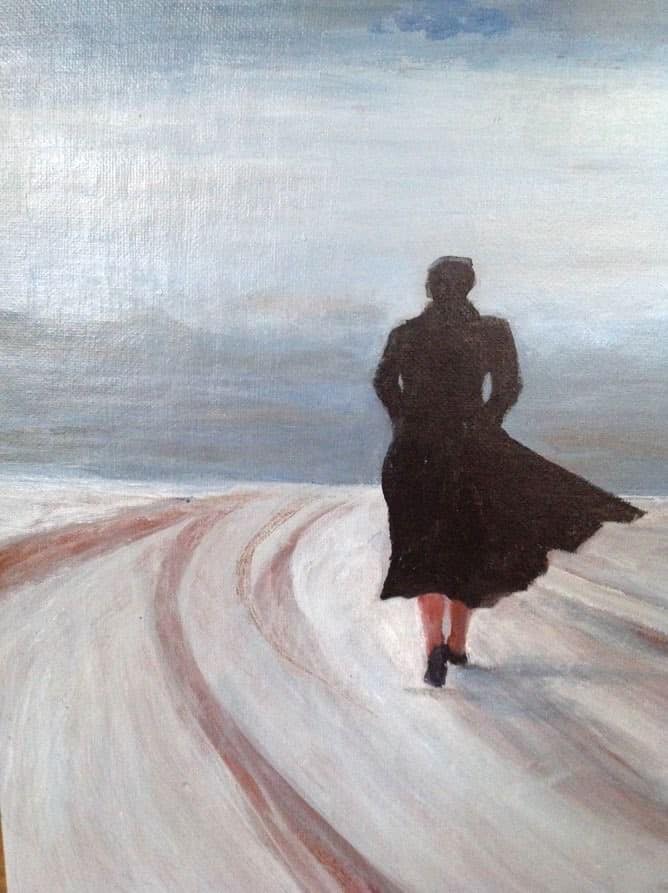
Francetta Bridle, A Walk in the Snow. I post a lot of paintings on Facebook to invite discussion and mostly to provide balm in these difficult times. I asked friends what they saw in her posture because it’s so intriguing. And they mentioned purposeful, end in sight, brisk, brave, tension in her shoulders. It’s a story, isn’t it?And I’m a little worried about her footware.
Four Words
Written By: Jessica Morrell
-
Feb•
20•24
LET YOUR THEMES WHISPER
And you can find in-depth information on using themes in fiiction and memoir here.
Keep writing, Keep dreaming, Have heart