From an editor’s desk: Accuracy and how not to screw up sight lines, fisticuffs, and body blows
Written By: Jessica Morrell
-
Oct•
12•20
I taught virtual workshops last month and before teaching one on editing, I was asked to comment on typical mistakes, red flags, and screw-ups that are easily noticed in manuscripts. I’m going to list them here, starting with something that drives me kind of batty. File it under A for Accuracy. 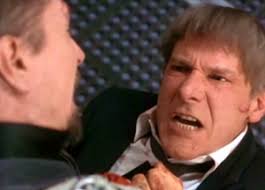
- Forget Hollywood, John Wick, John Wayne and the worst of moviedom. Forget every shootout, stunt, sword fight, car chase, foot chase, strangulation and karate kick down you’ve watched. Especially those where the hero shoots his enemy at close range and doesn’t end up splattered in blood. Verify every fact, action, detail, bullet trajectory, weapon used for accuracy. And blood splatter. It’s especially egregious when suspense and crime writers get things wrong. That means bullets and bodies are flying, with no possible relation to reality. And don’t get me started how heroes survive a firestorm of bullets by dodging and a few somersaults while spouting clever comebacks. Wayward gunfire happens. A barrage of bullets will injure or kill someone. Assault weapons are killing machines, which is why they were devised for the military.
- Start with motivation, think through cause and effect, and how action scenes will reveal characters. If the scene doesn’t push the story forward it simply doesn’t belong.
- Take care when using iconic locations. When your character charges across a well-known landscape like the National Mall in DC or Times Square in New York or avenues in Paris, many readers will know the lay of the land. Same for famous buildings from the Empire State Building to the Eiffel Tower to the Taj Mahal.
- Understand and verify sight lines. First, unless a character is using some kind of device, most people cannot see blocks or (heaven help me) miles. They especially cannot recognize someone waltzing or skulking down the street blocks away.
- More about sight lines: Unless a shooter uses a scope or a special weapon, they cannot shoot targets who are running around a block or two away. Now, some weapons can shoot a mile or more. It’s one reason hunting accidents happen. But can your character’s weapon shoot that far? Are you thoroughly familiar with the weapon? Have you fired it? Handling and shooting guns, experiencing the heft and smells is amazingly elucidating. Is your character a trained marksman? And as far as a gun fight–unless you have firsthand or expertly researched information, why is it in your story? And don’t forget, shooting back at assailants is especially difficult while dodging gunfire. And few ninjas, Navy Seals, or trained experts of any ilk can dash across a vast, empty expanse unharmed when someone is gunning for them.
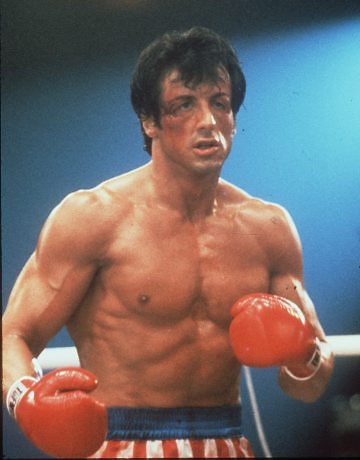 Less is more. Especially if you have no firsthand knowledge. And my dear fellow writers, most of us have not. Most of us have not been beaten to a pulp, shot or strangled someone, or fell into an icy river. The less you know about what’s happening in a scene–be a gunfight or running in a dark forest–the more you just might need to keep things tight. Avoid complicated scenarios and ninja moves. Instead, factor in the big picture. How does the altercation move the story forward? What is the scene goal? Are the stakes high? If not, why the confrontation? Will an action scene expose your protagonist’s flaws? Self doubts? Have you foreshadowed the events? Will the scene rise to the highest drama possible?
- Fights of any kind are exhausting. Swords are heavy. Breathing will get ragged. Blows to the head likely cause concussions. If your character–an ordinary citizen or sloppy P.I.–takes multiple punches it’s likely game over. In the body is a not meant to be a punching bag. If someone is knocked unconscious, it’s not likely he’s going to scraggle to his feet and continue exchanging blows. Unless he’s a professional boxer and even then it’s game over.
- Bad guys are rarely gentlemanly and don’t take turns. Or play by the rules. Or stop amid the fight to spout jokes or make confessions. The Joker notwithstanding. Villains and bad guys of all types are hellbent on taking down their opponents. Period. That means tripping an opponent, biting, gouging eyes, spitting, hair pulling, diversions, and assorted dirty tricks. Or running over the protagonist with a heavy SUV. Cuteness, cleverness and to-the-death battles rarely mix. Unless you’re Inigo Montoya in Princess Bride. Who survived sword thrusts, but still defeated Count Rugen. Because it was a fairy tale and sometimes good guys can survive grievous wounds. And Montoya had a righteous, fire-in-the-belly need to avenge his father’s murder.
- Along those lines, ease up on dialogue. Avoid repetitions and threats. Again, unless you’re
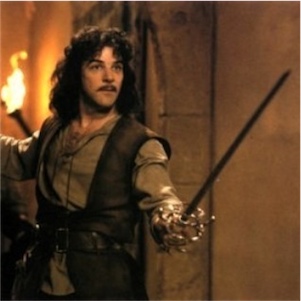 Montoya uttering, “Hello. You killed my father and now prepare to die.”
 - Fires burn. Lungs, skin, tissue. Heroes dashing in and out of wall-to-wall flames to rescue babies, puppies, and damsels will get scorched. Their lungs will get wrecked unless they’re wearing some kind of mask/respirator. Burns scar. The pain lasts a lifetime.
- Darkness conceals. Scary scenes happen in the dark for a reason. Because everyone, unless wearing night vision goggles, is at a disadvantage. Same with fog, smoke, blizzards, and whiteouts. Having recently driven through a mix of dense smoke and fog so thick it was like a whiteout from my days in northern Wisconsin, your nerves are on such high alert that it might take your neck a few hours to unkink.
- And speaking of nerves, research what happens to the human brain and body when in danger. If you don’t know about how the nervous system works when a human is you shouldn’t be writing about characters in danger. Fight-flight-freeze is real. It’s your job to know exactly how the human body works under many circumstances and stressors.
- Study scene basics. Take care with structure–short sentences and punchy verbs are needed. Use all the senses. Sweat, sour breath, coppery blood, vomit, reeking corpses. The buzz of swarming flies and crawling maggots. Grunts, groans, oofs, plop, scream, shrieks, siren wails all work for a reason. Because the human body responses to them. And don’t forget touch–the most intimate sense. What does a cold body feel like?
- If your story includes a murder, the police and legal response to it must be faultless. I’ve
 worked on manuscript where a protagonist leapt from a plane and all was well. And I’m not talking about a military exercise. Another story where a murder happened and there was no logical, fact-based, or realistic aftermath in the investigation. The world is chock full of TV shows and films that depict accurate or mostly accurate police and legal procedures. If you screw up any aspect of crime writing your credibility vanishes after your first mistake.
 - Know the laws governing your story. If the state or country the murder occurs in has the death sentence. If the accused needs to be read his rights. If bail can be posted. If the accused has the right to an attorney or phone call.
- Along those lines, precise details in any crime or suspense novel will sell the story. Obviously a good plot is crucial, but it’s the realism that nails it. Know exactly what a crime scene looks like and who works when investigating crimes from the coroner to the fingerprint team. Exactly what the inside of a prison entails. What prisoners wear, eat, and do with their time.
- A realistic aftermath is beyond crucial. Know how much blood loss occurs. What a drastic drop in blood pressure means. How a faltering heart is revived. While tissues swell, bruises do not sprout immediately after a punch or blow. Bruises change color over time until they fade and heal. Body blows don’t ease with a shot and an aspirin and don’t heal over night. If someone is punched in the face or nose, even if nothing is broken, the pain is enormous, eyes water.

So what’s a writer to do? Interview experts. Investigate until your brain numbs. Choreograph and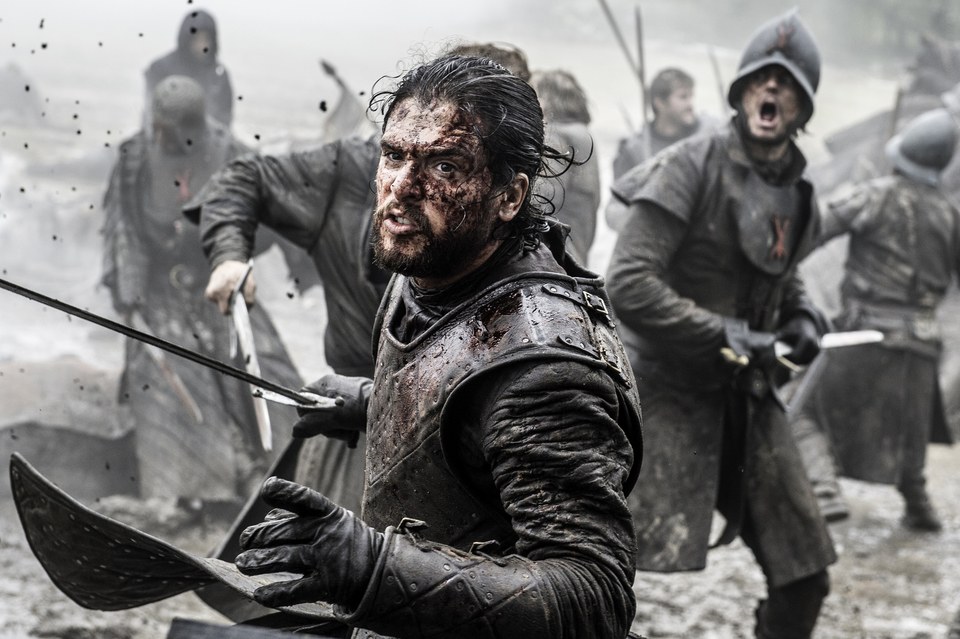 sketch out your scene. Use exact measurements to determine where characters are hiding, swashbuckling, and shooting. How many feet or yards separate them? What blocks the sight lines? Are there realistic hiding places? Then act them out, pace distances and figure out where punches will land. If you’re alone when writing then use the dog or a footstool or a pile of books. Know what damage punches will inflict. Before your character leaps from a rooftop, don’t plan for bird-like miracles.
If you’re writing about the Old West visit locations and museums. If you’re never ridden a horse, and your character is going race down a varmint or bank robber, why are you writing about horse chases? Seriously.
One More Tip: While most people will be charged with adrenaline when under attack, it’s also likely that they’ll screw up. Trip, slip, stumble, pee their pants, underestimate opponents, panic, freeze.
Stay hopeful, keep writing, and for god’s sake vote. While wearing a damn mask. Better yet, work to get out the vote, and don’t fall for all this balderdash about voter fraud. Future generations depend on our votes. And I realize people from other countries read this space. Thanks for putting up with the madness that is now the U.S.A. We will get better.

Mood meets dark night of the soul
Written By: Jessica Morrell
-
Sep•
15•20
 There are still fires burning in beautiful Oregon and 5 million acres in the West have been incinerated. My house is no longer in an evacuation zone for which I’m grateful. However, the air is still hazardous and I’d really just like to step outside. Hoping it’s sometime soon.
One technique that all writers need to master is purposefully using mood in storytelling. I consider mood part vibe, part setting, and part reader torture method. Did I say torture? I mean making readers feel what the writer needs him or him to feel. Giving readers profound emotional experiences.
Examples are Gothic, dark, spooky, idyllic, brooding, madcap, funny, mysterious, nail-biting, light hearted, rollicking, melancholy. It’s crucially connected to the genre, setting, and tension in your story. Tension readers can feel.
At the same time, the mood in your novel or short story needs to vary. If every moment is ominous or terrifying or sweet or giggly readers will weary. Stories need pauses for readers to set the book down or experience a ratcheting down of tension. Because again, relentless stories can be hard to endure.
Here’s a trick to optimize mood and connect it to structure. At the end of the Act 2 the Dark Night of the Soul moment occurs. It’s a critical turning point or plot point, also called All is Lost because hopelessness and despair can permeate. Often a protagonist’s options have run out or all means of escape are closed off. Sometimes the protagonist realizes that he or she has royally screwed up. Or has been blindsided or feels heartbreaking regrets. It’s the emotional reckoning of the events and mistakes that have come before. It typically involves the protagonist hitting bottom. And the protagonist realizes the truth of his or her dire situation.
 This is the time to heighten the mood with details, sounds, smells–whatever you need to make the scene potent. This is the time to capitalize on setting.
Think dark alleys, vast, echoing parking structures, lonely churchyards, empty streets, graveyards. Or maybe you want to use claustrophobic gatherings or a carnival or drunken crowd. Just plan for the protagonist’s immense feelings of isolation and desolation. And, of course, dark and stormy nights.
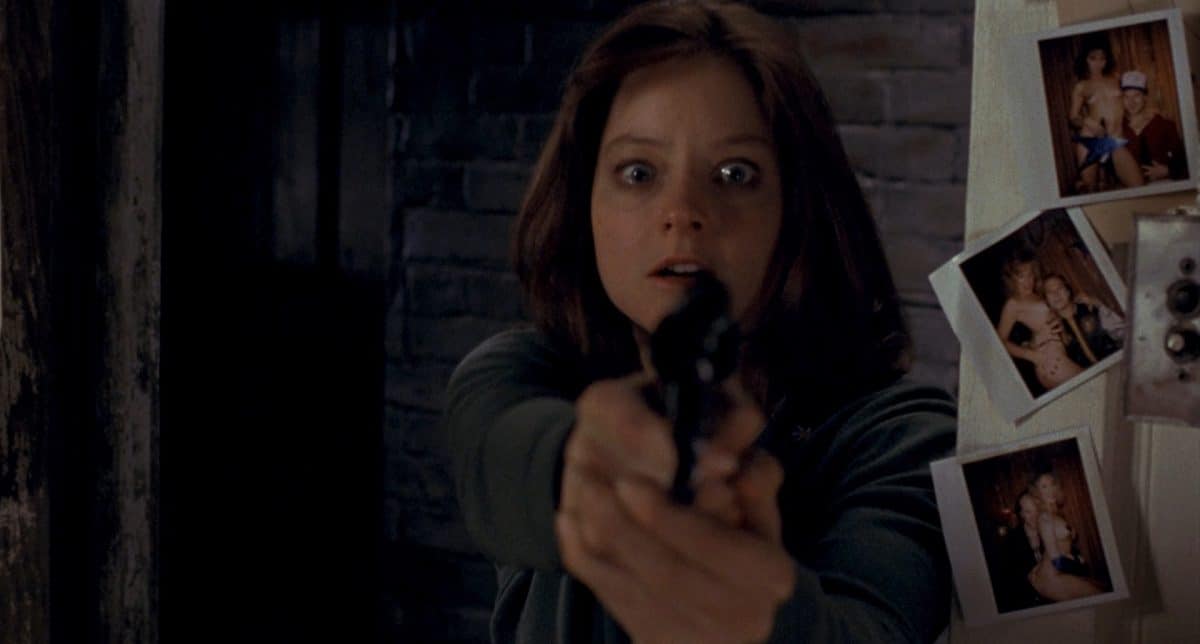 As when Agent Starling encounters Buffalo Bill and his dungeon of horrors in Silence of the Lambs. With the trapped senator’s daughter screaming for help nearby…and that creepy, doomsday music…
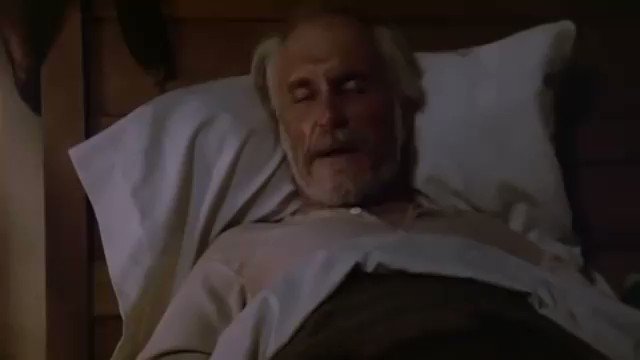 As when the Augustus McCrae in Lonesome Dove chooses to die of gangrene instead of being an amputee. “You don’t get the point, Woodrew. I’ve walked on this earth in pride all these years. If that’s lost, then let the rest be lost with it. There’s certain things my vanity will not abide.”
By the way, the Dark Night exists in cozies, romances, literary fiction, coming-of-age tales, in other words, fiction across the board…
Keep writing, keep dreaming, have heart
Please vote and be kind to one another out there.
Reminder: I’m teaching two virtual workshops for the Chanticleer Author Conferences on Thursday and Friday, the 17th and 18th. I’ll be talking about creating mood and atmosphere in my Between the Lines workshop Thursday, 9:30-12:30 PT. Connect Chanticleer for details here.
More tips on introducing secondary characters
Written By: Jessica Morrell
-
Sep•
05•20
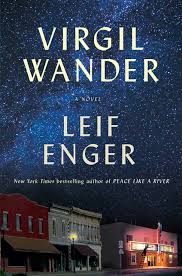 A bit cooler today I’m happy to report, but more blistering temperatures on the way.
Awhile ago I posted this example of introducing an unforgettable secondary character from the great Leif Enger’s novel Virgil Wander.
You can find my column here in case you missed it. I’m going to talk about it during my virtual workshop Captivating Co-stars: Why Secondary Characters Need More Love for the Chanticleer Author’s Conference on Tuesday, September 8th. Expect lots more examples and techniques for fleshing out your story cast.
Here are a few tips I’ve been thinking about as I finish my presentation and handouts for this workshop.
Introduce your secondary characters one by one. Readers need a sense or understanding of their importance to the protagonist and story as soon as possible. This is especially important in your opening scenes and why it’s important to really, really think long and hard before you create a crowd scene in your first pages.
It can be helpful to imagine your reader as someone who has stumbled into your scene blindfolded and flummoxed. How will he/she get his/her bearings? Understand who is who? Tell the players apart? Understand where the whole shebang is taking place?
Create at least a few distinguishing, interesting qualities for your co-stars. Flouncy chiffon dress with red Keds. Flawless skin. Blue and purple hair. Beer gut. Nose like a hawk’s. Stooped posture. Yellow teeth. Rancid breath. Six foot seven. Four foot eleven. Scarring acne.
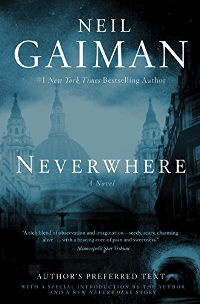 Here’s an example from Neil Gaiman’s Neverwhere:
Late, the protagonist Richard Mayhew is hurrying to a restaurant for an important dinner with his fiance’ when this happens:
She continued to drag him along, as a door ahead opened in the wall, an little way ahead of them, and someone stepped out and stood swaying for long long terrible moment, and then collapsed to the concrete. Richard shivered and stopped in his tracks. Jessica tagged him into motion.
(Jessica keeps talking, warning him how to act around her boss, their dinner guest) They had reached the person on the sidewalk. Jessica stepped over the crumpled form. Richard hesitated. “Jessica?”
“You’re right. He might think I’m bored,” she mused. “I know,” she said brightly, “If he makes a joke I’ll rub my earlobe.”
“Jessica?” He could not believe she was simply ignoring the figure at their feet.
“What?” She was not pleased to be jerked out of her reverie.
“Look.”
He pointed to the sidewalk. The person was facedown, and enveloped in bulky clothes; Jessica took his arm and tugged him toward her. “Oh. I see. If you pay any attention, Richard, they’ll walk all over you. They all have homes, really. Once she’s slept it off she’ll be fine.” She? It was a girl. Jessica continued, “Now I’ve told Mister Stockton that we–” Richard was down on one knee. “Richard! What are you doing?”
“She isn’t drunk,”said Richard. ” She’s hurt. He looked at his fingertips. “She’s bleeding.” The scene continues with Jessica insisting they ignore her.
The girl’s face was crusted with dirt, and her clothes were wet with blood. ….
Suddenly, the girl’s eyes popped open, white and wide in a face that was a little more than a smudge of dust and blood. “Not a hospital, please. Take me somewhere safe. Please.” Her voice was weak.
As the scene continues Richard picks up the girl and as he plans to carry her back to his place Jessica threatens to end their engagement.
Richard felt the sticky warmth of her blood, soaking into his shirt. Sometimes, he realized, there is nothing you can do. He walked away.
I’m so glad he walked away aren’t you? Technique to steal: Use secondary characters to reveal, expose the main character’s values, beliefs, traits.
He carries her home,stops up the bleeding, and she falls asleep in his bed. Dazed, he lands on his couch, wondering what has just happened. He eventually falls into a nightmare and sat up, gasping for breath. The girl is there and asks, “Bad dream?
After a transition paragraph Gaiman continues describing the girl: The homeless girl didn’t say anything. She looked bad: pale, beneath the grime and brown-dried blood, and and small. She was dressed in a variety of clothes thrown over each other: odd clothes, dirty velvets, muddy lace, rips and holes and through which other layers and styles could be seen. She looked, Richard thought, as if she’d done a midnight raid on the History of Fashion section of Victoria and Albert Museum, and was still wearing everything she’d taken. Her short hair was filthy, but looked like it might have been a dark, reddish color under the dirt.
Technique: Keep building on the reader’s first impressions, keep developing the character’s appearance and traits. Give readers enough details, but also allow them also to fill in the rest with their imaginations.
 Reminder: on Saturday, September 12 I’m teaching Secrets of the Dark Arts, an in-depth workshop chocked full of the techniques I use to edit my clients’ manuscripts. I’ve got a lot of examples and tips that I know you’ll find helpful including the 3 major stages of editing. You can still enroll and find more information here at Write Now! Conference sponsored by Desert Sleuths, Sisters in Crime of Phoenix.
Please stay safe this Labor Day weekend. Outdoors. Masked. Distanced–however you do it, remember there have been COVID spikes in this country after holidays.
The magic of characters–including co-stars
Written By: Jessica Morrell
-
Sep•
03•20
Long after the intricacies of a fictional plot fade from a reader’s memory, the characters linger 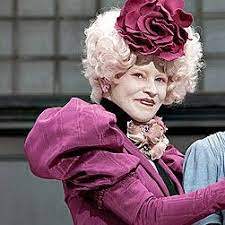 with an almost physical presence, a twinkle of personality, unforgettable actions, and their happy or sad fates. Fictional characters whisper their secrets, allow us to witness their most intimate moments and sorrows, and trust us with their messy emotions, bad decisions, and longings. They penetrate our aloneness, populate our imagination by starring in our inner cinema, and slip their hands in ours and transport us to another place, another time. And while all this is going on, often they teach us what it means to be human complete with all the troubles, heartaches, and mysteries.
Characters that leave a lasting footprint in our memory range the gamut from stuck-on-themselves divas and difficult drama queens, to aging Italian billionaires and lonely singletons, along with knights and spies and waifs and dwarfs. It’s simple really: Character, not plot, is what chiefly interests the reader because he translates and feels the character’s actions, desires, and passions from his own data bank of experiences and emotions.
This is the opening to my book Bullies, Bastards & Bitches: How to Write the Bad Guys in Fiction. 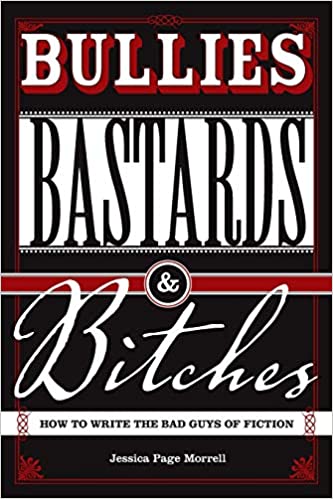 However, the book isn’t only about ‘bad guys’. It covers character roles and types including protagonists, heroes, unlikable protagonists, unreliable narrators, and a slew of information to add to your understanding.
I’ve been thinking about my book and all I’ve learned since I wrote it, because I’m creating a presentation on secondary characters for a virtual workshop I’m teaching next week at the Chanticleer Author’s Conference. {schedule is here} Before I delve into techniques for creating secondary characters, I’m explaining the roles, hierarchy, development, and purposes of fictional players. Because the more you know about the many uses for characters –the enormous scope and weight they can bring to a story–the more tools you wield when playing God.
When I wrote my Bullies book as I sometimes call it, my main objective was to urge writers to take risks with their characters. To use shills and scapegoats and flamboyant loudmouths. Demon lovers, homicidal stalkers, criminal politicians. Stir in trolls, punks, bad asses, weirder-than-weird nerds, smarter-than-smart geeks, callous grifters, hard-to-believe they’re so foul-mouthed not-so-sweet old ladies.
Bring it on.
 The same is true for your supporting cast. Sure you’ll add bit players, stock players, and archetypal players. Royals, innocents, mentors, warriors, and confidants. Burned-out cops, cranks, frenemies, crappy stepparents, and obnoxious neighbors. Familiar types with many valid, solid uses in storytelling.
Creating co-stars can be one of the great joys of storytelling. They can be outrageous, hilarious, freaky, maddening, sex-driven, drug-addled, and vapid. They can lie, steal, betray, enchant, and embolden. They sometimes get the best lines, spout the best snark. Give the best shade. They can drive their co-stars crazy and they can also drive the plot. They can star in their own subplots and often support the protagonist’s goals. Or thwart the protagonist’s goals. Or lie about supporting the protagonist while actually backstabbing the poor sod.
But like protagonists and antagonists, they can never be dull or commonplace. Never a pale footnote. Never thinly sketched unless the character has a walk-on part. But even bit players can possess physical characteristics. A lisp. A limp. An arresting voice. Inappropriate wardrobe choices and whisky breath.
I’m having a lot of fun thinking about this topic. Does it show?
As I’ve mentioned last month, I’m teaching four workshops and details are here.
Keep writing, keep dreaming, have heart.
Oh, and PLEASE vote.

Quick tip for fiction writers: threat and more threat
Written By: Jessica Morrell
-
Aug•
22•20
 Fiction is action, conflict, threat, repercussions from conflict, and more threat. Since fiction is based on threat–something bad might happen to the protagonist and other characters– the tension this causes keeps your stories sizzling, makes that element real. Along with suspense, it makes readers turn pages.
The beauty of writing fiction is that the real world offers up a stunning array of threats all the time. Just check your news feed. More than 500 fires are raging across California, many caused by lightning strikes.
The US Post Office is being dismantled and hindered for political purposes. This threatens people who received prescriptions by mail as one example. The threat increases if the medication is needed for a life-threatening illness.
Conspiracy nuts who apparently have little interest in reality (they have my sympathy there) have invented QAnon–a wide-ranging, lunatic theory that believes an elite group of cannibalistic pedophiles are taking over the US government. This must come as a blow to beef ranchers and vegans, but I digress.
Meanwhile, two hurricanes are heading for the US shores, Iowa has suffered massive crop losses from a derecho. (Am I the only one who never heard of this storm type?) And then there’s the COVID pandemic stealing and wrecking lives all over the planet.
 Threat is all around us, but it needs to haunt your characters, spur your characters, breathe in your story with an ever-present potency. Threat makes characters vulnerable and we all hate feeling vulnerable–which is why fiction is addictive.
Now, all stories can slow down from time to time, provide breathers for the readers, even places to set down the book. And of course good things can happen to your characters and happy endings might conclude the whole shebang.
But please don’t forget: In all fiction at least one character has everything to lose and the reader never forgets that.
Join me in September for Virtual Workshops
Written By: Jessica Morrell
-
Aug•
17•20

How are you doing out there in Writing Land? Can you believe it’s August?
We’re in the midst of another heat wave in Oregon today (insert profuse sweat and gnashing of teeth) which is beyond unwelcome since we need rain and forest fire season is upon us. I rose early to water, so ended up napping with the punishing sun blazing down and when I woke the sky was smudged, like a dirty blackboard and the temperature had dropped a few degrees.
I’ve been creating a routine that holds me up despite heat waves and rising death tolls from COVID, and assaults on the US Postal Service. I mean, who doesn’t love the Post Office?
But back to routines–my days start with gardening and end with reading. In between is work and healthy meals, stretching and walking and staying in touch with people. Because the best routines are strengthening in every way. How are you managing your time these days? How are you staying grounded?
Some exciting news: I’m teaching virtual workshops for the Write Now! Conference hosted by Phoenix-based Sisters in Crime Desert Sleuths and Chanticleer Writing Conference in beautiful Bellingham, Washington. I’m especially excited that I’m teaching Between the Lines (9/17 & 18) about writing the subtler aspects of fiction because it’s based on my book and Secrets of the Dark Arts (9/12) which helps fiction writers tackle not-for-the-faint-hearted editing and revision.
I’ll also be teaching workshops on Captivating Costars: Why Secondary Characters Need  More Love (9/8) and Subplots: Stories within Stories. (9/11) I’ve learned a lot as developmental editor and love passing along insights and practical methods. The dates are September 8-18.
Check out the Conferences and Workshops pages here and later this fall expect news about other places to enroll in my virtual classes. You and me on your computer or tablet. I promise to make it elucidating and lively. With some laughs thrown in, because if we can’t laugh we’re doomed.
There are still many parts of the Before Times that I miss, especially dinner parties and outdoor concerts, gatherings of all sorts, including teaching at writing conferences. And of course travel. But staying in touch with friends, keeping my garden alive, planning and planting new varieties, and renovating this long-neglected yard keep me going. I’m cooking away, as usual. Walking in quiet, tree-filled places. And I’m returning to my hippie ways, stocking up on dried beans and drying herbs, canning pickles and making jam, filling my house with plants so that I’ll be tending green things year round. Nourishing routines to take me into autumn.
Here are a few things I’m up to that spark my creativity and feed my curiosity. As soon and I hit ‘publish’ I’ll remember more, but that’s okay. What is feeding your creativity these days?
What I’m reading:
A short story, Baikal by Lindsay Starck at The New England Review. It’s about a marathon, set on a frozen lake in Siberia. It’s also about a marriage and looking back and regret and aging. This one keeps slipping back into my memory–the small, important details sprinkled in just so, the innovative structure, perfect words in perfect places. Let’s just say it wouldn’t be the first time that a fatal combination of sun and ice has confused and beguiled a fragile human in the cold. And here’s a link to the actual frozen lake and marathon in Siberia.
The Orphan of Salt Winds I‘ve just started reading it, so have no review yet, but I’m intrigued. 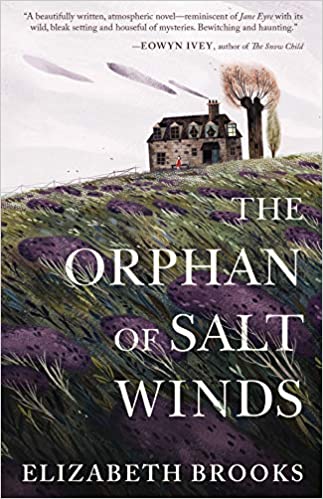
Longing to travel again? Here are 7 Literary Journeys courtesy of The Lily by Nneka McGuire.
What I’m watching:
Alone, because well, you know why–and it’s not about longing for winter.The latest episodes I watched were The Wolves and Pins and Needles if that gives you an idea of what’s going on. It’s a fascinating reality show on the History Channel where participants are dropped in remote places like Patagonia and the Arctic and north Vancouver Island. I’m generally indifferent to reality programs and was skeptical of the Vancouver Island location in the first seasons until I watched the marauding bears and relentless miserable weather. The participants must build shelters with basic tools, find food, and generally avoid starving and getting mauled by wild animals. (while the beasts try to steal their hard-won food) No guns and such are allowed though some do bring bows and arrows. All bring knives.
It makes you ponder how humankind survived all these centuries and the incredible skills and stamina it required. It makes you ponder what it’s like to feel like prey. And just a note, this series is not for the squeamish. A few too many close-up shots of skinning and butchering creatures for dinner, but I turn my head away for those parts…

Stockton on My Mind–an inspiring documentary about Michael Tubbs, the young mayor of Stockton, California and his innovative programs to rescue this ailing city and its young people.
The Chicks March March. It’s a call to action, an anthem to the power of protest. It’s haunting and potent.
HBO’s period drama, Perry Mason. I’m a sucker for a period drama, but just getting started with this series. Set in 1932 Los Angeles, the atmospherics are palpable, the casting brilliant and I suspect that this is much more akin to Erle Stanley Gardner’s vision of his noir stories than the Raymond Burr series from earlier decades. Matthew Rhys adds a brooding, soulful presence that suggests layers of angst and regret.
What I’m listening to:
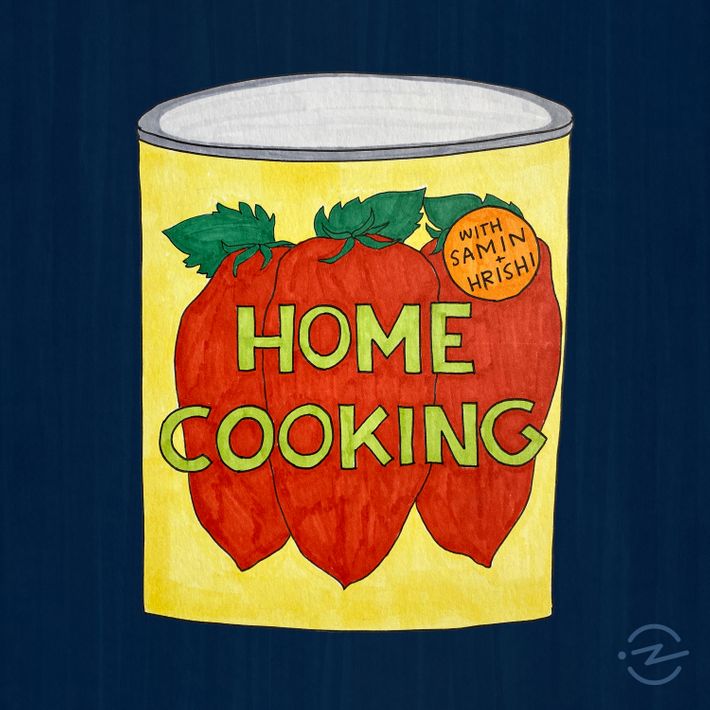 Listen in to Home Cooking with Samin Nosrat of Salt, Fat, Acid, Heat fame and her friend composer-musician Hrishikesh Hirway– they’re hilarious and Samin knows sooo much about cooking. If you’re in a food rut, this is your go-to.
Storytelling, humanity, foibles, heartbreaks, break throughs, the folks at The Moth tell all and do it with panache. I never miss an episode.
How to Fail is unfailingly reassuring. As in successful, attractive, educated, and talented people screw things up badly, but then learn lessons and rebound. Recommended for days when your writing isn’t going great.
Another podcast I recommend is The Daily from The New York Times–it’s a quick way to catch up on the latest news stories. Hosted by Michael Barbaro it’s a 20-minute or so segment, with really smart people discussing the important events of our lives.
Music-wise I’ve heard so much buzz about Taylor Swift’s new CD Folklore, and now I understand the hype. I’m on my third listen and really paying attention to the lyrics. My music guru Mark Phialias sent it to me (you all need a music insider like Phialias in your life.) He wrote: “I have assumed Taylor Swift was lightweight, sweet-tea-esque-cultural-void. To be honest, I don’t recall any music she has done. But, and this is a big BUT, members of one of my favorite bands, The National, worked with Swift on Folklore. The National excels with hypnotic, mesmerizing melodies and lyrics that fit like snug jeans. So, Leaped with less faith and mostly hope, and to my ear, vastly rewarded.” (can you see why I’m also a Phialias fan?)
Please vote and make sure your friends, neighbors, and family votes.
Please donate to food banks–the need is enormous.
Keep writing, keep dreaming, keep wearing a mask. And hope to see you soon…on my computer that is.
And when the day reaches its end…
Written By: Jessica Morrell
-
Aug•
02•20