 Fiction is about the cost of things. The plot should always somehow scar or wound the protagonist and put something valuable at risk.
Protagonists suffer. Period. Paying heavy costs make characters relatable. I swear by these statements. Use them to guide your storytelling because it creates stakes, motivation, and tension.
Fictional characters take more risks than ordinary humans. Typically not all risks pay off. Along the way friendships, allies, freedom or safety might be lost. Such is the cost of fiction.
How much will he or she suffer? Sacrifice? Regret?
Before I go further, it’s important to point out this doesn’t mean your protagonist will always be a martyr or your story ends in tragedy. But everything can be on the line in the fictional universe: friendships and allies, family, love, prestige, honor, trust, hope, money. Betrayals might happen. Long-held secrets revealed. Obviously these possibilities create emotional distress.
Not to mention to physical costs like pain, injuries, and body parts. Think Katness fighting for her life in The Hunger Games and going deaf in one ear. Then she’s forced to fight for Peeta’s life because he’s been badly injured.(In the book, not the film series, he loses a leg)
Speaking of body parts: remember the suffering doled out by psychotic fan Annie Wilkes in Misery?
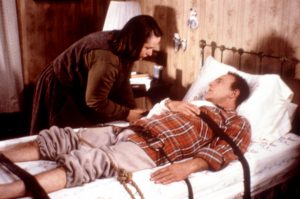
MISERY, Kathy Bates, James Caan, 1990, (c)Columbia Pictures/courtesy Everett Collection
Gulp.
Because bad things happen to our favorite characters. Really bad things. Your character’s suffering will always reveal his or her depths and strengths. Suffering always advances the plot. If it doesn’t, leave it out of your story.
Let’s look at some examples:
Jem Finch loses his innocence when he realizes the depth of racism in his small town in To Kill a Mockingbird.
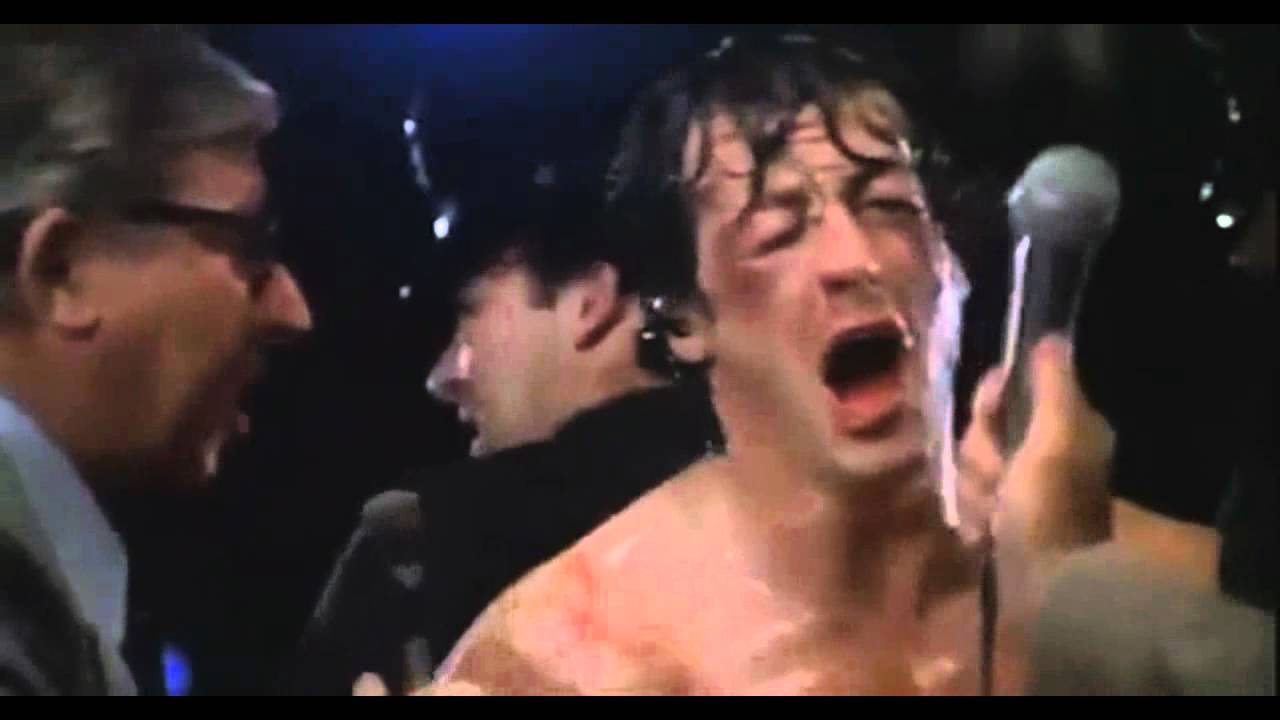
 Rocky Balboa is brutally beaten and loses to Apollo Creed. But he goes the distance and wins love.
 Juno MacGuff not only gives up her baby, but learns that the adoptive father-to-be is a man-child. She’s forced to risk giving her baby to a single mom instead of the stable couple she’d hoped for.
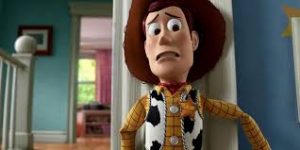 Woody of the Toy Story series loses friends, risks his pride, leadership role,and life, battles greed and heartlessness. All these costs bring him maturity and wisdom.
Katniss Everdeen risks her life to take her sister’s place in the deadly Hunger Games.
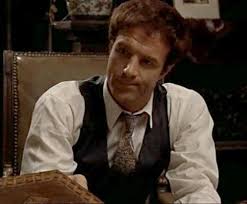 In The Godfather the Corleone family loses their oldest son in the mob war that breaks out. Unfortunately it was Sonny’s impetuousness that started the war. The inciting incident, or catalyst in the story is a meeting between the Corleone family and a representative for the Tattaglia family. This issue on the table is investing a million dollars to get into heroin-trafficking business. Sonny, going against protocol, reveals his interest in the money-making scheme.
After an attempt on the godfather’s life, and with the body count rising, Michael the youngest son, commits murder and is forced into hiding. The story follows his profound character arc from war hero and college graduate to cold-hearted mob boss. He loses his humanity with each power move and act of revenge.
Bad decisions often make things worse. Because fictional characters screw up a lot. Which brings on more misery, self-doubt, and need for more risks.
Questions to consider when plotting:
Is the cost justified?
Will readers realize the cost or sacrifice is too great before the protagonist will?
Does the protagonist understand the cost involved or is he or she naive? Untested?
Can you make the toll affect several aspects of the protagonist’s life? Can the plot exact physical, emotional, financial tolls?
Will the cost involve another character? A vulnerable character?
Will the protagonist be exposed, peeled bare while paying the cost?
Will other characters try to dissuade the protagonist from paying the price?
Can you make the cost or sacrifice or pain visceral and believable?
Can you identify the cost in stories you read and films you watch?
Keep writing, keep dreaming, have heart
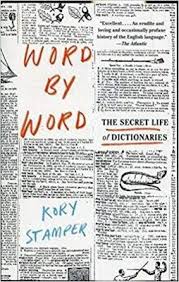 If you’d like to learn more about a lexicographer’s gig working for Merriam-Webster, I can heartily endorse Kory Stamper’s memoir Word by Word: The Secret Life of Dictionaries. It’s fascinating, fun, witty, and might make a great gift for the word nerd on your holiday shopping list. And here’s more information about the book from The New Yorker. Stamper also hosts videos at several sites online.