When we write we are wrapped up in words. Descriptions, expositions, verbs, adjectives, and conversations. A great way to get wrapped up. However, don’t forget the enormous power of silence. The dirty look, the words we wish we’d said but didn’t, the cruelty of a withheld compliment, the generosity of withheld cruelty. Think of the worlds you can create with silence. Overcoming silence when we speak different languages, when we are tongue tied and shy, when we have been silenced. Judicious use of silence might be the biggest noise you make. ~ Carmen Walton
The power of silence
Written By: Jessica Morrell
-
Jul•
26•18
Make Them Sweat
Written By: Jessica Morrell
-
Jul•
22•18
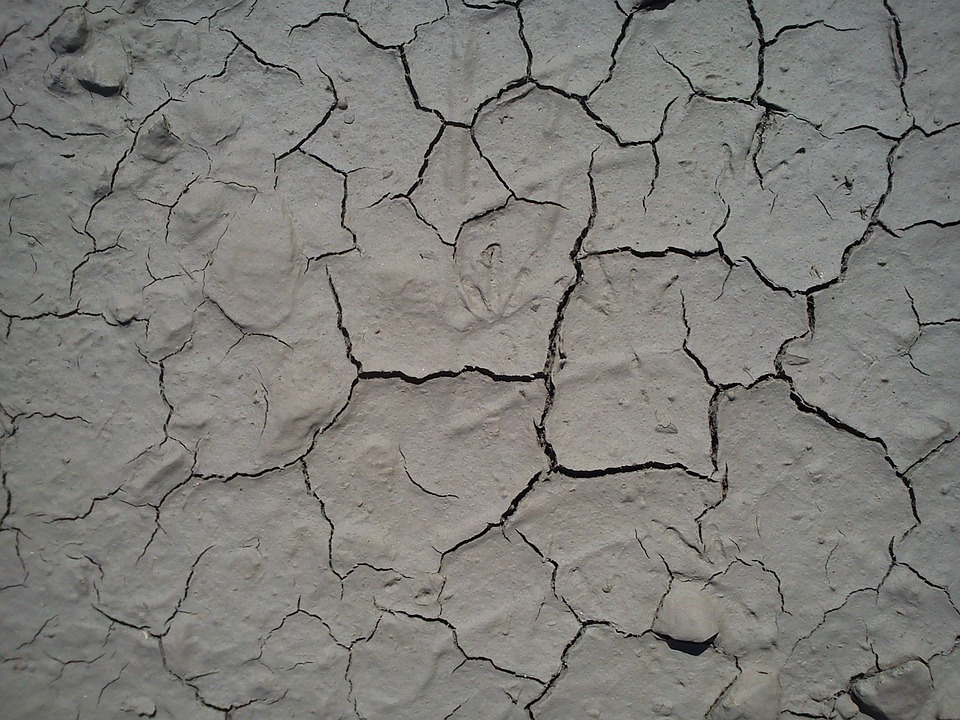 I’m so happy we had a few days of milder temperatures. Another heat wave is beginning today and lasting through the week. I’ve developed systems for keeping my hanging plants alive, and so far they’re all still blooming. Early mornings spent watering as the day began simmering, meant I returned indoors already slick with sweat. And thirsty. And not for the first time I wondered how people living in hot climates were adapting to climate changes. And how places where it’s not normally hot will cope with the challenges of high and sometimes dangerous temperatures.
 Which brings me to writing about people and climate and weather and stress. Because people, including people in fiction, sweat. A natural biological reaction designed to cool the body. People who spend time outdoors can also end up with a sunburn. Sunburn is painful and peels and blisters. Hot temperatures weary and can cause heat stroke and exhaustion and all sorts of health problems including organ failure and death. In fact, heat kills more Americans than other natural disasters.
Heat infiltrates every part of life. Gardens wilt and crops fail. Car interiors are punishing. Swimmers take dangerous risks and drownings happen. Dogs pant and seek shade. In our region lightning strikes cause forest fires.
Heatwaves and excessive heat have widespread consequences. In fiction all weather should create consequences and reactions, even balmy weather. Sustained heat will cause bigger dangers and ramifications. Droughts devastate agriculture and economies. Power shortages and outages happen. Ice caps melt. Sea levels rise. Fields dry out and reservoirs shrink. When forests burn, smoke chokes the air and areas are evacuated.
If you’re writing any story where heat or exertion are going on, your characters need to react with realism, authenticity, and with lingering effects. A heat wave means waking up to a stifling apartment if you don’t have air conditioning. Day after sweltering day. In your historical novel set in the 1800s during summer (or even spring or fall) afternoon temperatures can be sweltering and punishing. Kitchens will be hellish. Ladies in the household might lie down for a nap wearing only a petticoat. Fieldhands drenched and parched and bent.
In dystopian fiction where climate change has caused worldwide changes (called cli-fi) sobering realities shape the story. Often a collapse of the 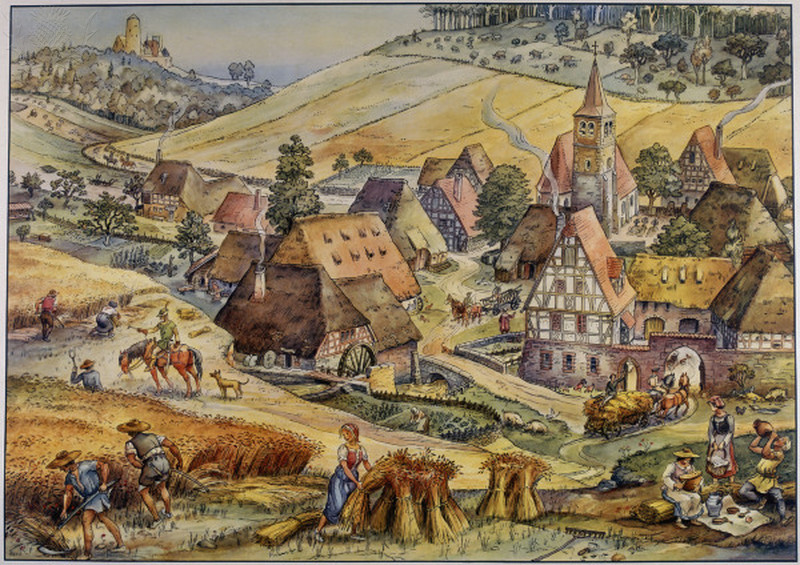 electrical grid or massive droughts are happening or have occurred. Systems, institutions, and characters will suffer and on every level. It’s crucial that the inner rationale for how the situation came to be is established and consistent. Day-to-day survival might be medieval and punishing. The people hungry and exhausted. Thirsts unquenched, fires unstoppable. Crops will fail or be raised using old-school techniques. Dust storms will swallow the landscape.
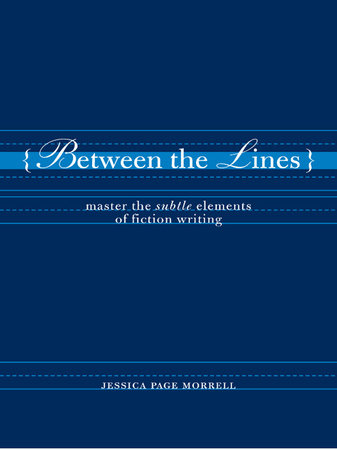
In every season notice the effects of weather and climate. In my book Between the Lines I wrote a chapter called Sensory Surround and make this point: Writers sometimes add weather to scenes, but then don’t portray the characters affected by it. For instance, a blizzard rages in a story, but then characters don’t shovel the sidewalk, slip on ice, or become chilled when outdoors. The furnace never fails and the pipes never freeze. Or, it rains in a scene, but no one becomes drenched, or jumps around puddles, or turns on the windshield wipers.
One more thing while we’re on the topic of sweat. People and characters can also sweat from anxiety, a panic attack, fever, or hot flashes. Excess sweating can be embarrassing. (been there) Sweating also can be an indication of an illness and medication. Puberty and pregnancy can also cause sweating.
I’m focusing on sweating here because it’s universal, it’s visible, and it’s another way of depicting a character reacting. So how often do your characters sweat?
 You can order my book here.
Tim O’Brien on fiction
Written By: Jessica Morrell
-
Jul•
12•18
The goal, I suppose, any fiction writer has, no matter what your subject, is to hit the human heart and the tear ducts and the nape of the neck and to make a person feel something about what the characters are going through and to experience the moral paradoxes and struggles of being human.
Word of the day: littoral
Written By: Jessica Morrell
-
Jul•
01•18
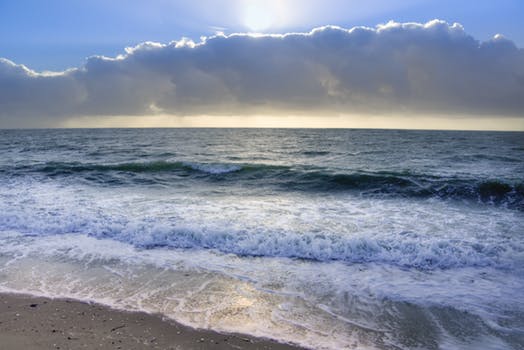 With thanks to Robert Macfarlane (@RobGMacfarlane)
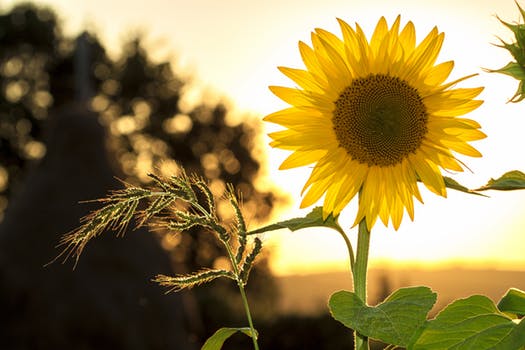
Littoral: a shoreline region or related to the shoreline of a sea or lake; occurring at the edge of things. It also means the zone between high and low tide marks on the shoreline. In marine biology the definition is more complex and refers to the zone and conditions of tidal currents and breaking waves. Here is a link to the Encyclopedia Britannica.
A love letter to words
Written By: Jessica Morrell
-
Jun•
28•18
I like words. I like fat buttery words, such as ooze, turpitude, glutinous, toady. I like solemn, angular, creaky words, such as straitlaced, cantankerous, pernicious, valedictory. I like spurious, black-is-white words, such as mortician, liquidate, tonsorial, demimonde. I like suave “V” words, Svenghali, svelte, bravura, verve. I like crunchy, brittle, crackly words, such as splinter, grapple, jostle, crusty. I like sullen, crabbed, scowling words, such as skulk, glower, scabby, churl. I like Oh-Heavens, my-gracious, land’s-sake words, such as tricksy, tucker, genteel, horrid. I like elegant, flowery words, such as estivate, peregrinate, elysium, halcyon. I like wormy, squirmy, mealy words, such as crawl, blubber, squeal, drip. I like sniggly, chuckling words, such as cowlick, gurgle, bubble and burp. ~Robert Pirosh from Letters of Note
here is Pirosh’s letter this opening paragraph is from


Solstice, also known as midsummer, is dawning….
Written By: Jessica Morrell
-
Jun•
21•18
 The Solstice is about to dawn in the northern hemisphere, the year unspooling, flowers everywhere. My dahlias have begun blooming, well, some of them. In one section of the yard two scragglers have only begun to sprout up.
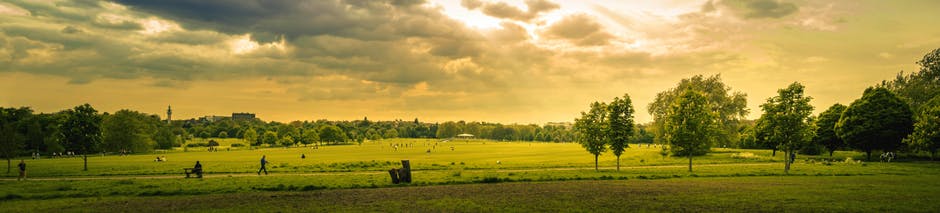
The Solstice marks the onset of summer and the longest day of the year. Onset is a word not much used, but it’s lovely and full or portend, isn’t it? Here’s what the sky looked like tonight as I drove home, traveling mostly south. We have big, expressive skies in the Pacific Northwest. Sometimes it’s like looking up at a river of clouds overhead. Tonight it was moody, and as if heralding a new season. However, the landscape in this photo doesn’t represent my part of the world. Substitute the Cascade foothills and tall Douglas firs beneath the rolling clouds.
I hope the new season brings a sense of renewal and exciting writing plans. The world needs more writers, but you already know that.
Writing as Resistance
Written By: Jessica Morrell
-
Jun•
20•18
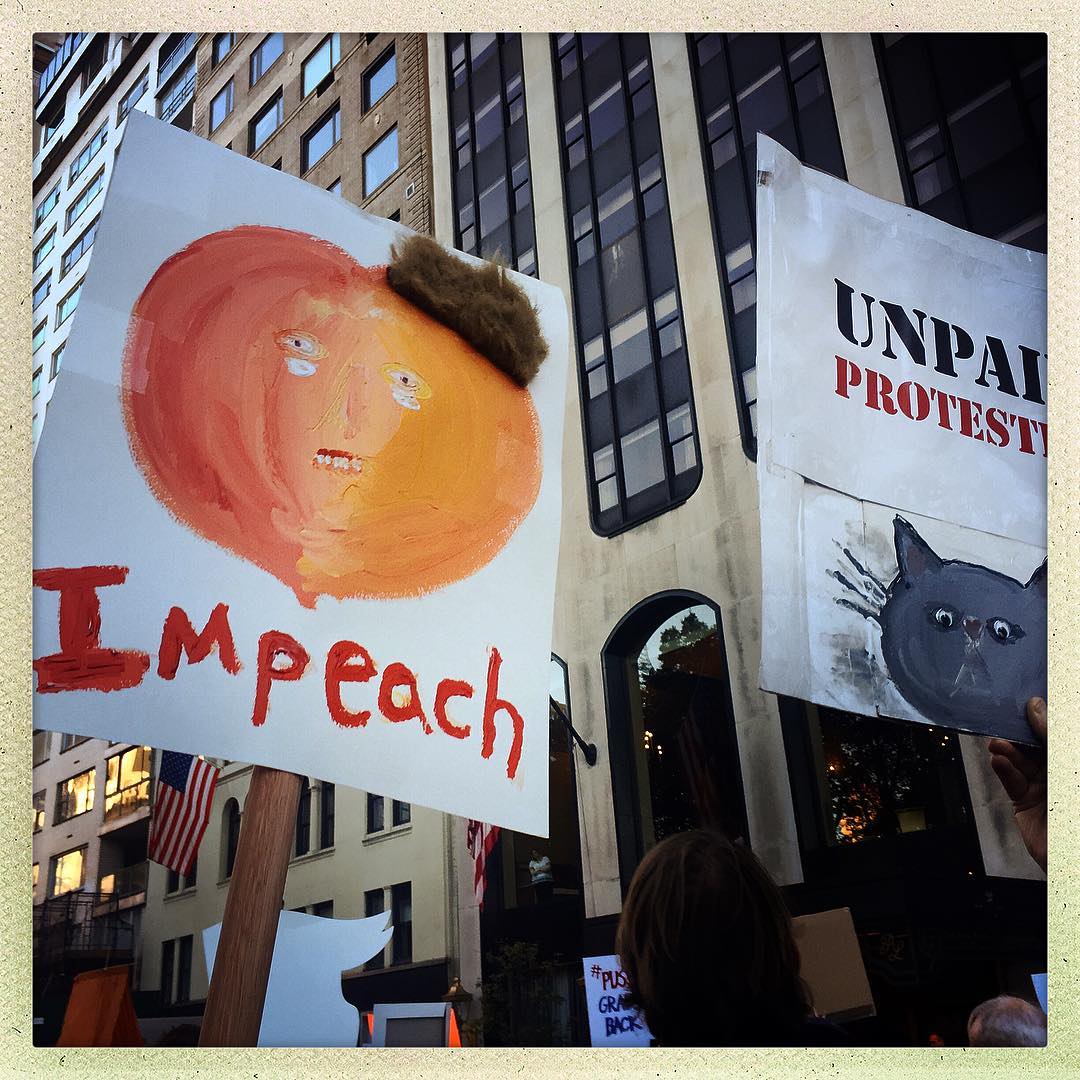
 Writing has long been a tool for resisting and protesting tyranny, societal wrongs, and corrupt governments. With the latest crisis where children are being snatched from their parents seeking asylum, people are protesting from sea to sea. In fact, the country seems about to boil over from outrage, rage, and frustration. But luckily we’re writers so we can gather up our frustrations and ire and channel it. Our written words can also help us seek and foster solidarity with like-minded people.
Ways you can join in:
- thoughtful social media posts that report new facts or insights
- sharply-written critiques meant to urge others to action
- opinion letters or letters to the editor
- protest, demand for action letters sent to lawmakers or government agencies
Tools to help you along:
- this protest letter template might prove helpful
- and here are more tips to make your writing effective
- a linguist suggests ways to write a protest signs
Tips:
write to a person
be specific, use statistics whenever possible
use strong verbs–renounce, demand,scorn, abort, defend, oppress, reject, reveal
ask for immediate action
explain your tie-in to the issue
align yourself with the issue by creating a short bio (retired fourth-grade teacher, mother of three, grandmother of 7)
name specific agencies, laws, policies, bills pending in Congress, or culprits involved (ICE zero-tolerance policy)
sign off using your full name and contact information
create word pictures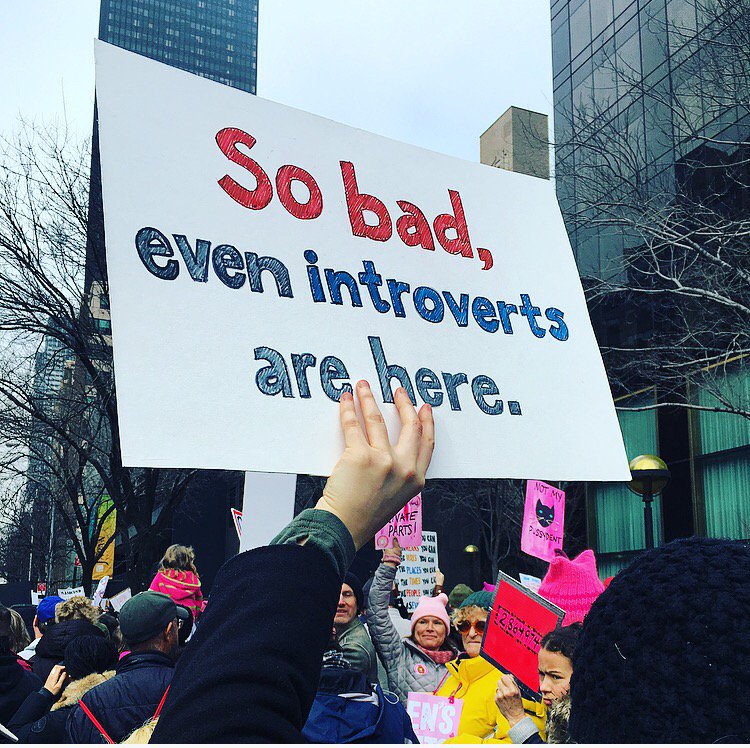
Bear witness, stay focused, have heart
According to Markus Zusak
Written By: Jessica Morrell
-
Jun•
18•18
 I like that every page in every book can have a gem on it. It’s probably what I like most about writing–that words can be used in a way that a child plays in a sandpit, rearranging things, swapping them around. They’re the best moments in a day of writing–when an image appears that you didn’t know would be there when you began writing in the morning. ~ Markus Zusak, author of The Book Thief