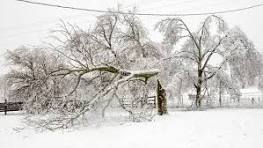
Another layer of ice arrived last night, which means another day of seclusion in our ongoing storm saga. Next week it’s going to warm up to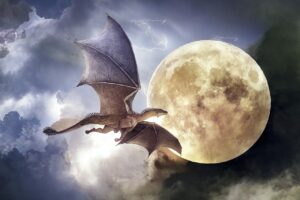 the 50s, so hooray for that. But the warmer temperatures won’t revive the many fallen giants around here. Trees, that is. I’ve mentioned them earlier in the week here, but it’s still shocking. The storm’s damage and the human toll saddening, including an elderly man who was killed when a tree crashed through his house. Then trees have ended up in many buildings around here and damages further south in Lane Countyare nearly unbearable.
Yesterday I left my house–the first time since late Friday afternoon. I thought I’d feel exhilerated, but it was mostly harrowing and the sky made of gloom and slate and heavy rain didn’t help. Oh, and the semis creating whiteout conditions on the highway.
But enough weather reporting. I’ve been working and pondering ways to explain emotional resonance to my client.
And found this statement I’ve made in the past: What lingers in your reader’s memory or imagination isn’t necessarily your exact words or phrases, but rather the affect they have. If the words conjure pain, grief, ecstasy, hilarity, or tears in your reader, then they’re working. If they don’t affect the reader, then get rid of them as if you’re a cold-hearted executioner.
Emotional resonance creates depth and empathy in your readers.
Emotional resonance creates insights into your characters and in turn shines a light on what it means to be human. What it feels like. Hurting, screwing up, falling in love, falling out of love, celebrating, saying good-bye.
And as a reminder, here are two articles I’ve written here before on the topic. Here’s a link to the first one, Resonance in case you missed it. And the second one: A Few More Thoughts on Resonance.
Again, it all begins with language. I’ve been gathering books to donate to a program that resells them then supplies books to needy kids. As I’m going through stacks, I came across two novels in the Dean Koontz Jane Hawk series. Scary, grisly, horrific situation and events of a not-too future time when human monsters have infiltrated institutions and the government. And have the ultimate technology to ruin lives.
These days I don’t have the stomach to read such dark tales, but Koontz, though he overwrites like he’s on a madly drunken spree at times, has drawn a setting and atmosphere so creepy and evil and unforgiving it makes me want to check my door locks and turn on all the lights. In the daytime.
Lest I forget, he’s created a slew of vulnerable,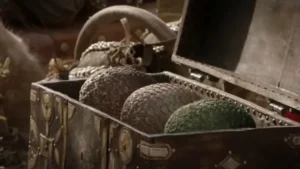 beautiful characters you so want to survive.
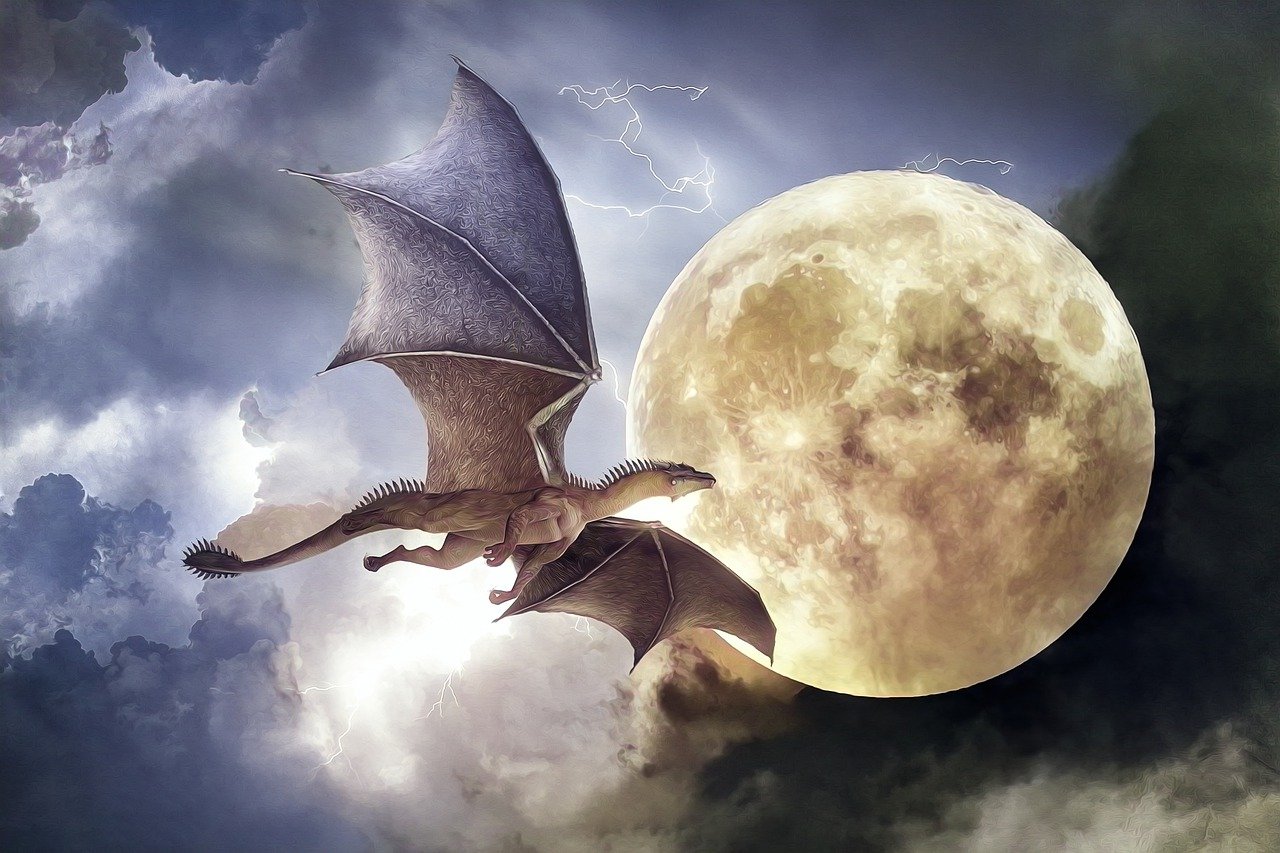
Last night I copied this tidbit from The Crooked Staircase: A dragon’s egg moon emerged from a nest of shredding clouds harried southeast by a high wind that had no presence here at ground level. The oaks were widely separated now, each the majesty of its domain, black-limbed, and cragged and crooked, like the scorched but stalwart survivors of a cataclysm, or oracles warning of some dire event impending. The land grew more inhospitable to grass, and the last upslope as patterned with faint tree-cast moonshadows on a carpet of wet pebbles and scraggly clumps of flattened sedge.
Whew. I’m on edge after reading this, how about you? Now you might be thinking overkill. Or you might have lingered at dragon’s egg moon–but that’s what horror writers do. For a reason.
Did you notice the consonance? Koontz, “I’ve always been in love with out beautiful langauge.”
The resonance in the series comes from many factors including the setting, mood, and atmoshphere as just demonstrated but especially the high stakes. The villians are so cruel, unjust, heinous, ravenously power hungry the reader’s emotions are stirred, unleashed, shaken–you name it. Run Jane, run. And they’ve got freaking nano-technology. Did I mention Jane is a vigilante? Think one-woman army.
While reading the Hawk series I’d made brief notes and underlined words, phrases, passages in the books. Last night I started transferring them to a notebook since I’m donating the books. Because, writer friends, I’m a notebookmaker. Hoping you are too.
Keep writing, keep dreaming, have heart
 recommend because it captures a point in her career while she’s sought-after and succeeding with exciting new ventures. Whilst she has had a storied career, bejeweled with Emmy statues and accolades, who would have guessed she’d end up acting in and writing for the lastest Indiana Jones movie?

 Writing names the world, and the power of description should not be underestimated. Literature remembers its religious origins in some of those first stories. Stories of sky gods and sea gods not only became the source of an ocean of stories that flowed from them but also served as the foundations of the world into which they, the myths, were born. There would have been little blood sacrifice in Latin America or ancient Greece if it had not been for the gods. Iphigenia would have lived and Clytemnestra would have had no need to murder Agamemnon and the entire story of the House of Atreus would have been different. This would have been bad for the history of the theater, no doubt, but good in many ways for the family concerned. Writing invented the gods and was a game the gods themselves played, and the consequences of that writing, holy writ, are still working themselves out today, which just shows that the demonstrable fictionality of fiction does nothing to lessen its power, especially if you call it the truth. But writing broke away from the gods and in that rupture much of its power was lost. Prophecy is no longer the game, except for futurologists, but then futurology is fiction too. It can be defined as the art of being wrong about the future. For the rest of us, the proper study of mankind is man. We have no priests, we can appeal to no ultimate arbiter, though there are critics among us who would claim such a role for themselves.In spite of this, fiction does retain the occasional surprising ability to initiate social change. Here is the fugitive slave Eliza, running from Simon Legree. Here is Oliver Twist asking for more. Here is a boy wizard with a lightning scar on his forehead bringing books back into the lives of a generation that was forgetting how to read. Uncle Tom’s Cabin changed attitudes towards slavery, and Charles Dickens’s portraits of child poverty inspired legal reforms, and J. K. Rowling changed the culture of childhood, making millions of boys and girls look forward to 800-page novels, and probably popularizing vibrating toy broomsticks at boarding schools. On the opening night of Death of a Salesman, the head of Gimbels department store rushed from the theater vowing never to fire his own aging Willy Loman.