Word by Word

Practical insights for writers from Jessica P Morrell

NaNoWriMo

Written By: Jessica Morrell - Nov• 02•23

I was cobbling together dinner earlier as rain fell against my porch’s metal roof and the news jabbed at me from the living room. And I looked out my window at the Douglas firs which seemed to have grown taller this past year, and wondered how it can possbily be November. And how the gloom and mist and hard rain were the new normal. And that stabbed at me a bit. I had to shake myself, kind of like a wet dog, because the clocks are going back an hour and the gloom will become more pervasive. At least I don’t live in Alaska, I told myself because months of darkness sound hellish.

And then: it’s a good time to get some writing doneAnd make soup. 

But before I fixate on soup–I made an extraordinary batch of turkey vegetable a few days ago– let’s get down to business.

Congratulations  to the hardy souls who are heading into the bucolic, subsuming, and exhausting stint known as NaNoWriMo.

BECAUSE:

  • Companionship, check.
  • Accountability, check.
  • Excitement, check, check.
  • Fun, triple check.
  • Progress, quadruple check.

I know multi-pubished and best-selling authors who started out on November 1 with a mission and a passion and a need to write. It can work magnificently. Some of these writers turned authors claim it changed them. Forever. Some of them keep participating in the madness.

You might ask yourself:

  • What does my protagonist want desperately?
  • Why does he or she have this desperate need?
  • What hideous doom might befall him or her if he or she fails?
  • What will break your main character?
  • Who or what will stand in the way?
  • Is this the most interesting and exciting segment of your character’s life?

When you’re not writing keep pondering your characters’ personalities, goals, dilemmas,  and traps you’re setting. You might also write wee missives before sleep asking these questions. Then tuck them under your pillow as if the Story Fairy might appear instead of the Tooth Fairy.  Submit to sleep imagining their  faces, the the way your character faces the world.

It never hurts to bring your subconscious into the job.

Best of luck. And thanks for stopping by.

Keep writing, keep dreaming, have heart.


November

Written By: Jessica Morrell - Nov• 02•23

Evil Laughter

Written By: Jessica Morrell - Oct• 31•23

In honor of Halloween or Samhain, here’s a link to the PBS site and “The scary thing about evil laughs.”  Because evil laughter needs to be chilling, terrifying, and as this piece points out, recall childhood traumas.


Written By: Jessica Morrell - Oct• 04•23

Just. Show. Up.

October

Written By: Jessica Morrell - Oct• 02•23

According to Ansen Dibell

Written By: Jessica Morrell - Sep• 14•23

Make everybody fall out of the plane first, and then explain who they are and why they were on the plane to begin with.

Unlike Nancy…..don’t eavesdrop

Written By: Jessica Morrell - Sep• 12•23

Mild weather here, thank goodness. Took yesterday off to go antiquing with a friend in Aurora, a small town nearby. Not all the stores were open because it was a Monday so I’m happy to report we’re returning.  Besides a pub lunch, buying old books, strolling around charming old neighborhoods, and a good, long catching-up chat, the day felt soft and bonny. Please indulge me; I’ve never used bonny in a sentence before, but it suits. A sense of change brewing in the trees and air. The leftover flavor off almost-chilly nights. Pumpkins in store fronts.

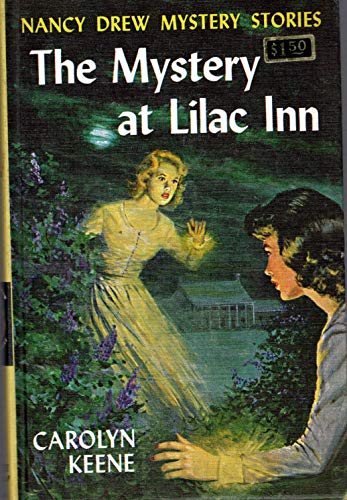
As for writing–always on my mind–I’ve been thinking about Nancy Drew, the young fictional sleuth who came into our midst in the 1930s. Anyone out there read all the Nancy Drew books? I read every Nancy book available in the school and town library, at least twenty. Without realizing it at the time, she was one of my heroes. A blue roadster? Sign me up. But looking back, her indefatigable nature was what I most admired. It was a trait common to the biography subjects I read and characters I hoped to emulate. And Nancy Drew demonstrated more bravura than was the norm during my growing-up years.

Here’s a beautiful article on Ms. Drew, her stories and adventures. And www.nancydrewsleuth.com is a fun site to explore.

While Nancy–with some help from her friends–was clever and practical, some of her detecting was, well amateurish. Schoolgirlish.  Now of course she WAS an 18-year-old amateur, but techniques like eavesdropping near an open door or behind lilac shrubs are written for the convenience of the author.  When writing adult fiction find another way to gather the information. Serendipity of any sort needs to be handled with utmost cleverness. And rarely. And how about using current spy technology instead? There are a lot of gadgets available.

If you’re writing historical fiction, improvise, misdirect, and use props from the era.

The rational behind your characters’ actions are more important than providing your readers clues. Sure, move the plot forward. But finesse matters because clues–along with dead bodies–are the most memorable parts of suspense stories. 

Keep writing, keep dreaming, have heart

Refuge

Written By: Jessica Morrell - Sep• 06•23

Here’s a question for fiction writers: Does your protagonist have a place of refuge?

Will this space be available during the story events? Or inaccessible? How does he or she cope without refuge if it’s not available?

Or does the character carry a sense of refuge within? 

Or will your character ‘earn’ an inner refuge by story’s end? 

If you want to immediately improve…

Written By: Jessica Morrell - Sep• 05•23

If you want to immediately improve your fiction writing, inhabit your viewpoint character, breath by breath, bone by bone. The more dangerous, momentous, and dramatic the scene, the more readers need to see, hear, and feel what your character feels. Their thoughts should land directly with no filters like ‘she thought’ or ‘she wondered’ or  ‘she searched her mind.’ Internal dialogue needs to feel internal.

Act the part.

If you don’t know how your character would react amid danger or a painful recognition, then make certain you know his or her backstory. It should provide the emotional wounds that need healing, the regrets that need addressing, along with motivations, goals, and problem solving.

Backstory includes personality and ways of standing, walking, and hiding emotions and reactions.

Backstory will reveal the triggers that might set them off. The secrets they must keep.

Backstory + key personality traits are your basis for living within the characters you write. Come to know them intimately. Stalk them, sleep with them, dance with them, wipe away their tears.

And keep writing, keep dreaming, have heart

September

Written By: Jessica Morrell - Sep• 05•23

DPP_0003.JPG free stock photo